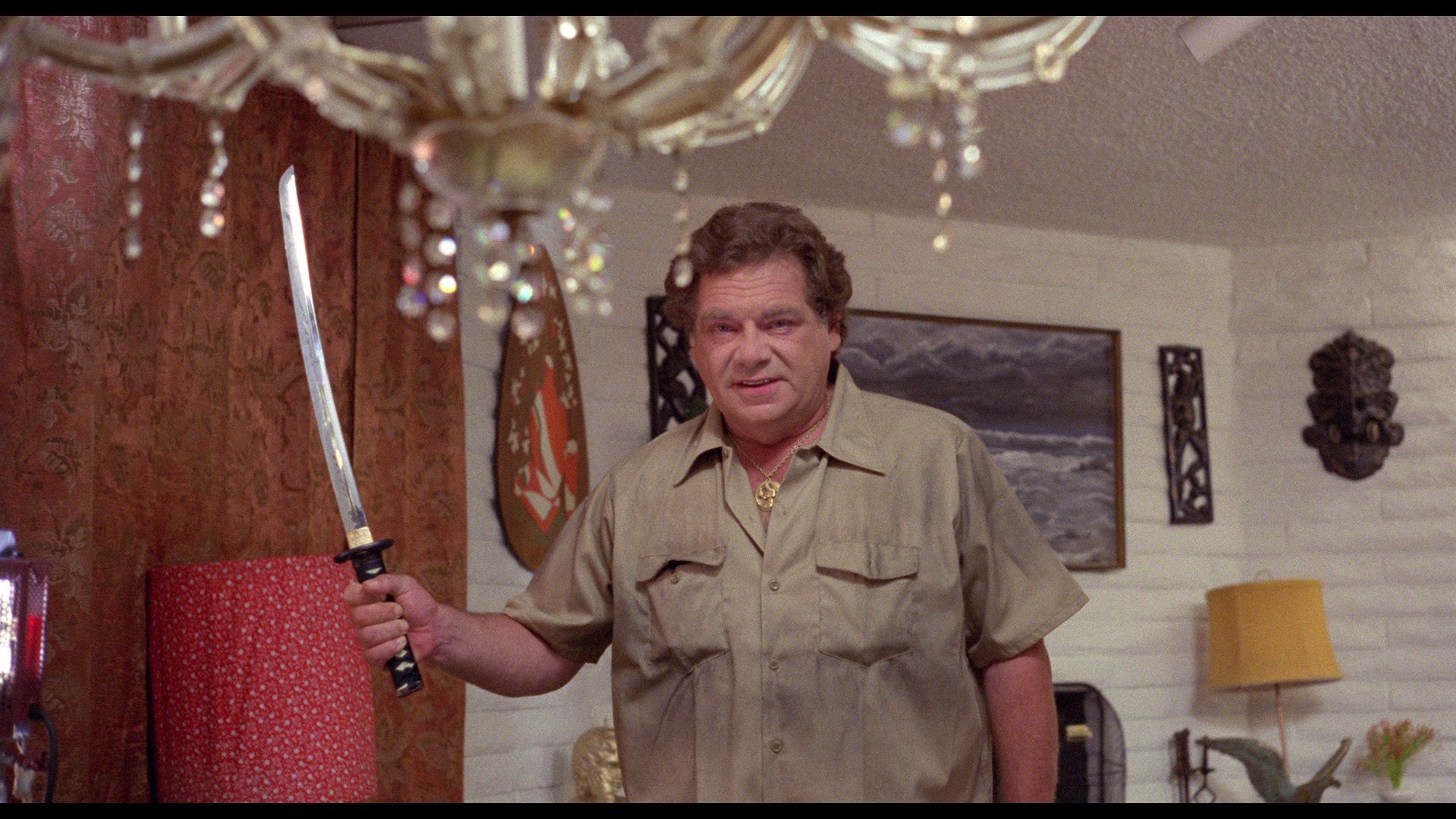
Ten words have haunted the FRIDAY THE 13TH franchise since 1981. Since that time, ten other films have played out on screens the world over, but with the notable exceptions of John Shepherd’s Tommy Jarvis (FRIDAY THE 13TH: A NEW BEGINNING, 1985) and Jason as human being courtesy Derek Mears (FRIDAY THE 13TH, 2009), the words”let’s think beyond the legend, put it in real terms” have fallen on deaf ears.
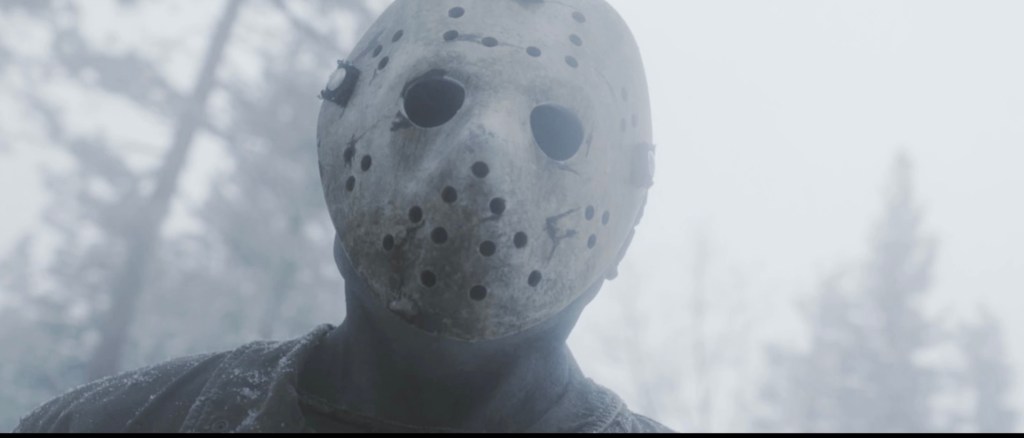
One filmmaker heard Ginny Field (Amy Steel), and more importantly, Vincente DiSanti is still listening. Womp Stomp Films dropped its fan effort NEVER HIKE ALONE (2017) three years ago and provided FRIDAY fanatics with something that was much more than a new adventure steeped in “real terms”, it was a glimmer of hope that with the right people driving the RV, Camp Crystal Lake could return to glory.
NEVER HIKE ALONE was the FRIDAY film we’d been waiting for, but it turns out that it was but an appetizer for the delectable, 25-minute dish to come. NEVER HIKE IN THE SNOW takes place shortly before the events of ALONE but writer / director DiSanti takes the time to illuminate the emotional toll this universe inflicts on its residents. In other words, Womp Stomp puts it in “real terms.”
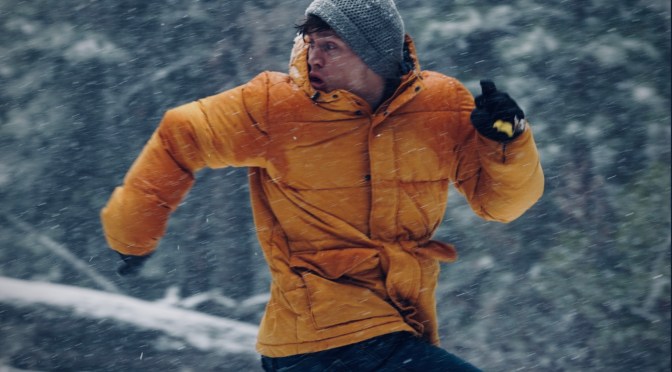
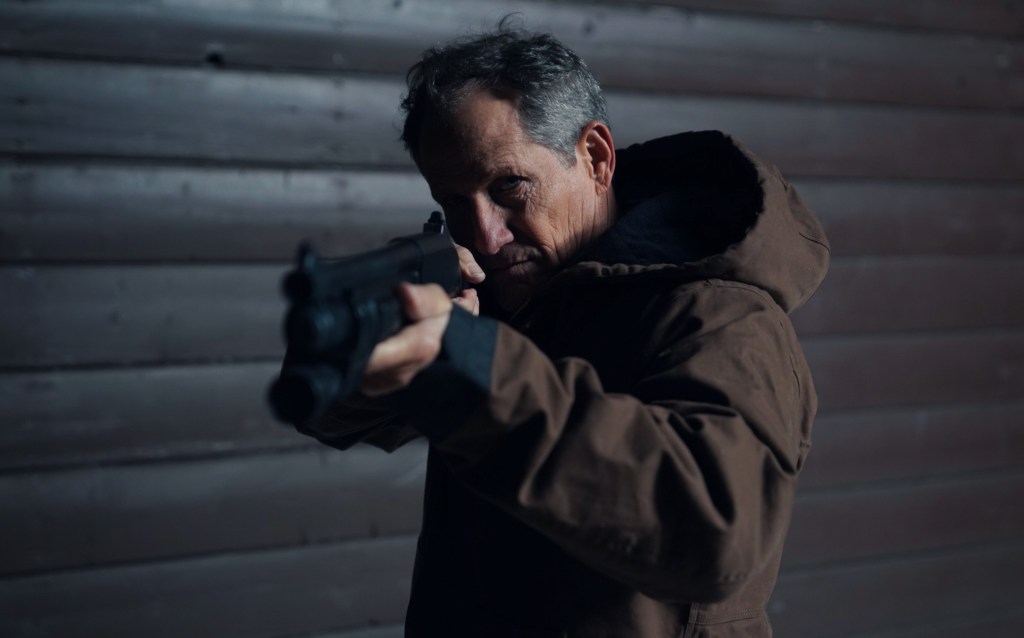
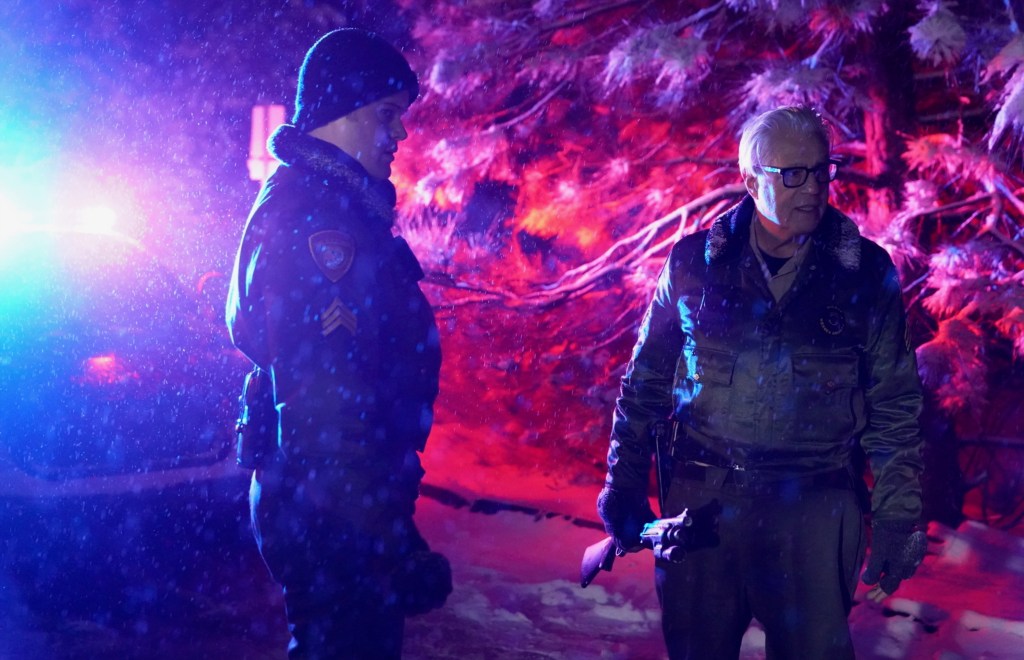
DiSanti introduces us to Mark Hill, a 17-year old aspiring photographer and his mother Diana, played to perfection by Courtlan Gordon and Anna Campbell, respectively, but also reacquaints the audience with a pair of old friends. No longer a deputy, we find Sheriff Rick Cologne (Vinny Guastaferro) investigating a case in Wessex County, and once more Thom Mathews is the punk he wants to punch silly.
Unlike the aforementioned Shepherd in A NEW BEGINNING, Mathews wasn’t afforded the opportunity to display the tax of Tommy Jarvis’ associations with Voorhees in JASON LIVES (1986), but that ended with NEVER HIKE ALONE and rages all ahead full in SNOW. The lingering repercussions of those experiences didn’t end when the credits ran on Part VI, and those demons are still very real in 2017 (when SNOW takes place).
Jarvis knows exactly what’s going on when hikers come up missing, and wants to put an end to Jason once and for all. Cologne, however, remains an obstacle and fans will be thrilled to find that the animosity between the two remains as heated and entertaining as ever. Though it’s cliche to say “never skips a beat,” the relationship between Rick and Tommy may be even more contemptuous than it was 30 year ago and the passage of time hasn’t tarnished the magic.
Beyond the performances (which are stellar), it’s the production value that will leave fans in awe. DiSanti’s writing is clean, crisp and sensible, but the brilliance doesn’t end there. Director of Photography Evan Butka takes the snow and the dark and blends them into something wickedly beautiful, Mike Api’s editing is seamless, and Suzan Jones’ sound mixing brings the picture alive. But what would a FRIDAY flick be without makeup effects? Norah Hewitt and Rachel Lynn Gerwig’s work here is something to behold, with kills that will stay with you long after you’ve walked away from the screen, and it’s all topped off with Ryan Perez-Daple’s foreboding score that clutches with tension throughout.
DiSanti continues to raise the bar for further studio releases. Rehashing the same old story, or worse–rushing the same old story for a cash grab–will no longer be acceptable, and we have Womp Stomp to thank for that.
In fact, it reminds this writer of something Hall of Fame baseball manager Sparky Anderson once said about a fellow enshrinee, “I would never insult another catcher by comparing them to Johnny Bench.” The sentiment holds true for DiSanti and the Womp Stomp crew because referring to the NEVER HIKE entries as fan films ventures beyond insult, it’s downright offensive. Look, there are many well done fan films in existence, but poorly made ones outnumber them 50-to-1 and the NEVER HIKE pictures are more than a group of friends with some camera equipment and a dream, they are a highly motivated and capable team led by DiSanti. Womp Stomp is not a group of uber-fans taking a weekend to pay homage, they are laying the groundwork for the direction the franchise should embark upon once the legalities surrounding FRIDAY are settled.
Womp Stomp has set out create the FRIDAY THE 13TH film fans have been yearning to see since the ’09 reboot, and if we’re honest, even before that. And that is exactly what they have done. Twice.
To take it a step further, several years ago when rumors of a FRIDAY television series began to gain traction there was excitement, but devotees of the franchise had long since been accustomed to disappointment. Would it actually happen, and if so, would it work as a serial? NEVER HIKE IN THE SNOW answers that question with an emphatic yes.
Shudder gave CREEPSHOW six episodes last year and should strongly consider handing a similar FRIDAY run to DiSanti and Womp Stomp because frankly the effect of resurrecting The Last Drive-In would pale in comparison to the flood of FRIDAY freaks rushing to subscribe for a revival of the Jason and Tommy rivalry.
For Camp Crystal Lake to return to its glory days requires three things: the vision of someone who loves (but more importantly) understands the franchise, who also possesses the chops as a writer and director, and then whichever studio ends up with the rights simply needs to get out of their way.
Let’s put it in real terms: that someone is Vincente DiSanti, the most important addition to the FRIDAY family since Kane Hodder.
NEVER HIKE IN THE SNOW went live on YouTube at 9 p.m. Eastern on Tuesday, October the 13th.
Godzilla’s foundations are fortified beneath layers of deepest sorrow and tragedy.
March 1, 1954 A Date With Destiny
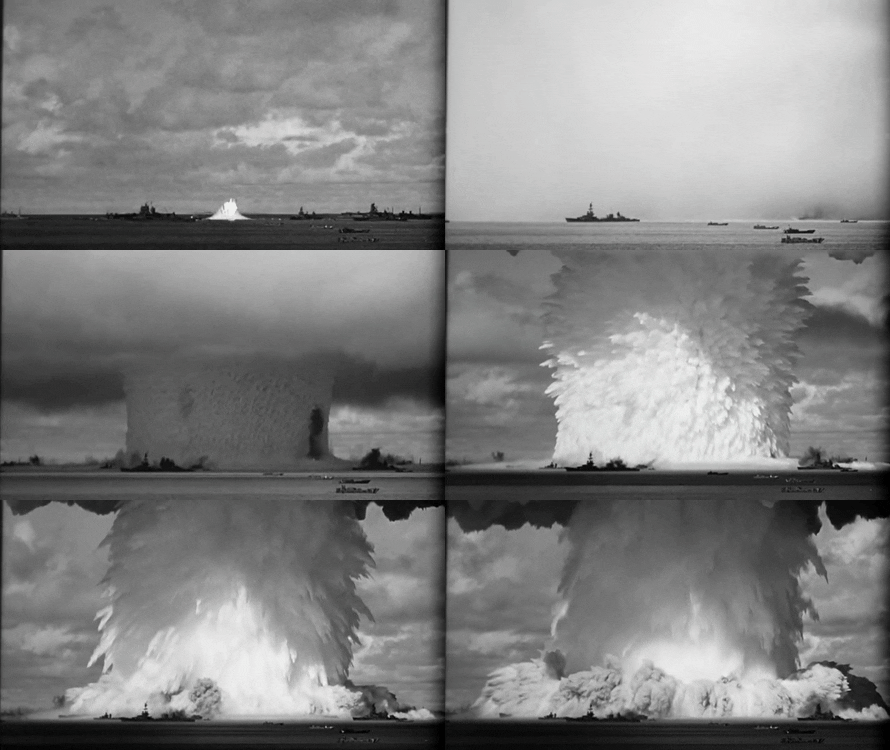
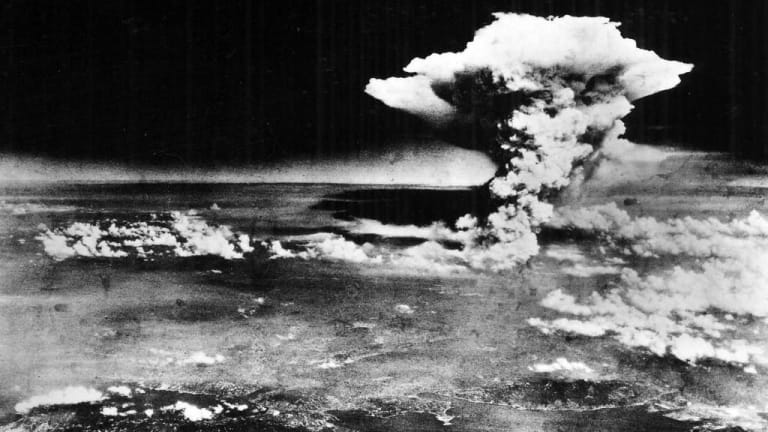
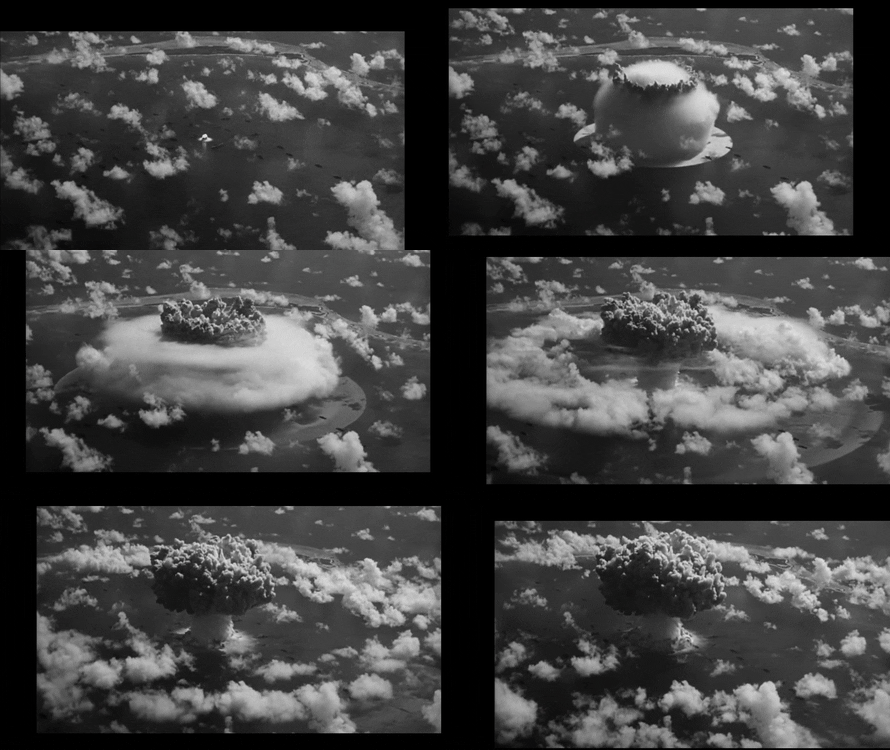
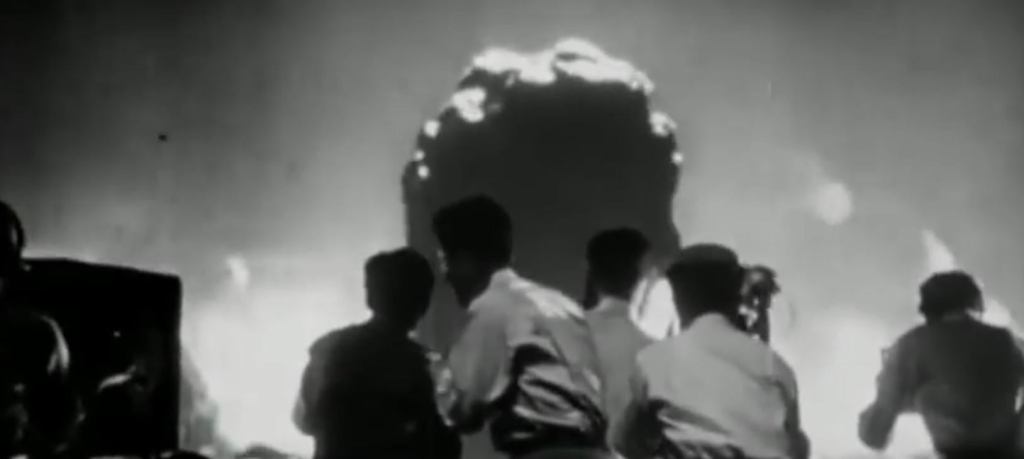
The neon haze of a new era was begun under the heated shadow of mushroom clouds. This marked a new achievement for man’s capacity to destroy his own kind and the atomic age was secured whether we wanted it to be or not. This date marked the first hydrogen bomb testing and – it would seem – Armageddon was right at Japan’s back door.
But this wasn’t the first time nukes touched down on their soil.
Hiroshima and Nagasaki
Previously, during WWII, a couple of bombs were dropped on two populated cities in Japan. The effects were catastrophic, although that is a puny word and pales in comparison to the trauma those unsuspecting citizens felt that day. It made history and shook the entire planet.
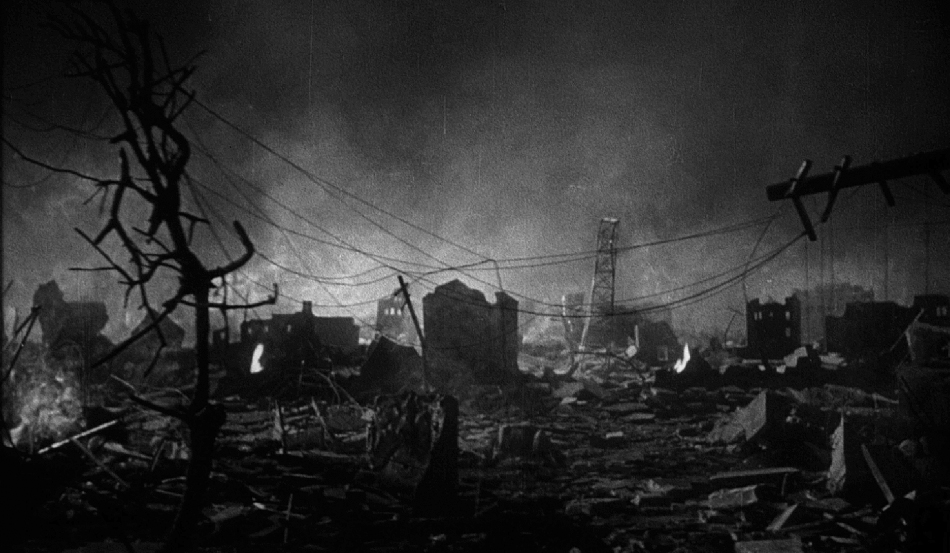
The homes of approximately 450, 550 people would be left in ruins due to the catastrophic effects of the bombs dropped on the unsuspecting population. When the clouds cleared, in the place where homes once stood, a wasteland had emerged where Hiroshima and Nagasaki once flourished.
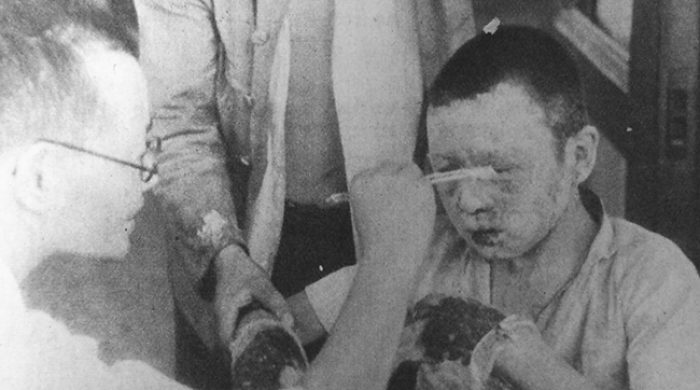
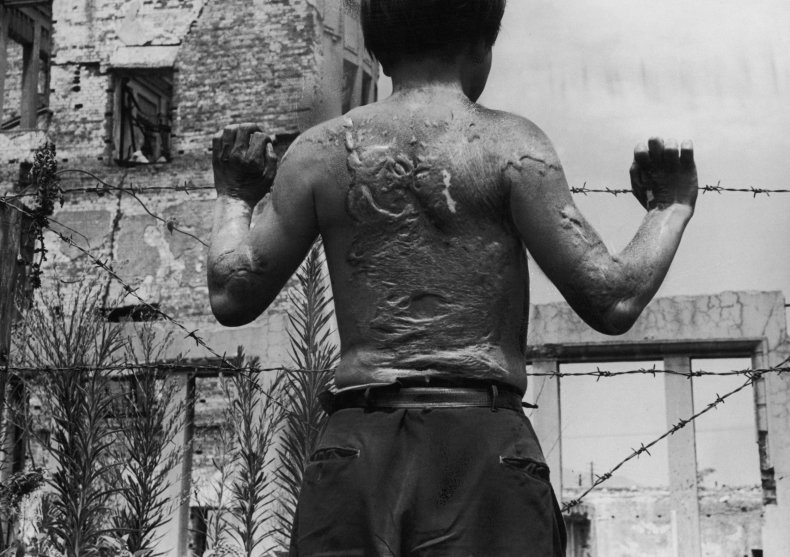
Boy being tested after suffering burns from Hiroshima
The bomb had no pity. Women and children weren’t spared any more than the elderly. People melted into the sidewalk making it tough to differentiate where the people began and the cement ended.
Others who were far enough away to escape the initial blast would all-too-soon learn how cruel nature can be as they began feeling the sickly effects of radiation poisoning. Hell had been opened and there was no escape.
image courtesy of History.com
Now, just a few years after the a-bomb dropped on them, the same culture had hydrogen bombs being tested just a little ways off the mainland. It would seem nuclear horror inundated Japanese culture.
Some may say it was in poor taste for the US to go ahead with using Japanese land for a top secret testing ground (for nukes nonetheless). After all this was a nation already suffering the hazardous effects of radiation poisoning to last three lifetimes.
victim of radiation poisoning, image via newsweek
Some would also argue that this was American occupied territory and they had a right (maybe by some higher power) to do it. But the powers that be approved of the plan and the US started dropping nukes and playing like some Old Testament act of God.
The surrounding waters of the Marshal Islands were strictly off limits.
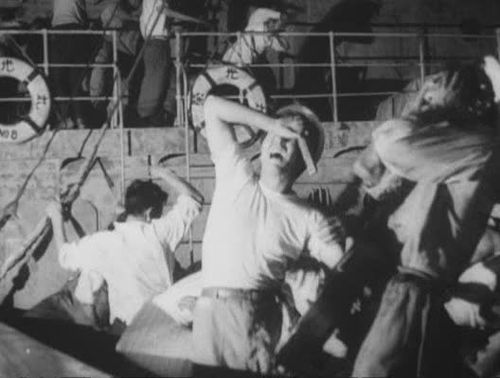
A new stroke of misfortune was on the rise though, as the crew aboard the Lucky Dragon set sail, dangerously close to the apocalyptic islands. The fishing crew hoped to make good on all the tuna just begging to be caught, and with no competition this seemed like a win win all around.
Were they simply ignoring the warnings surrounding the Marshal Islands and tempting fate or were there no real warnings laid down to begin with? It’s said that the project was so top secret that not even the Japanese government knew what the US military was doing out there.
Whatever the reason, the fishermen aboard the Lucky Dragon weren’t so lucky.
To their horror a second sun appeared before their eyes and set the sky aflame with unnatural light. A deafening boom clamored overhead like a storm and with it the crew were knocked off their feet.
The bomb had gone off and their fates were sealed under the swift lambent vapors of a very cruel destiny. Already the H-bomb was claiming its first prey and the Reaper emerged out of the smoldering air as the crew quicklyfelt the sickening effects of radiation poisoning.
image courtesy of Toho, ‘Gojira’
This tragedy – along with the traumas of Hiroshima and Nagasaki – deeply affected the nation.
Art For Exorcism
The opening sequence of Gojira strongly echoes the terrible misfortune that befell the Lucky Dragon. Incorporating a national tragedy into the film’s prologue set audiences up for the right tone of the film and prepared them for a new kind of horror movie.
This wasn’t going to be just a giant monster film. This movie dared to tackle recent – terrifying – topics that scarred an entire nation; brazenly the film makers chose to exorcise their demons through means of art rather than hide from them.
Bold, daring, and distinctly Japanese, this was going to be one helluva’n experience.
image courtesy of Toho, ‘Gojira’
For a lot of people when they think of Godzilla they think of the silly moments given throughout the franchise. Be it Godzilla dashing across the sky being carried by his atomic breath alone, or the tail-glide kick, or characters like little Minilla or Jet Jaguar.
Ok, there have been some fun shenanigans along the way, and that’s ok. That’s part of what’s embedded Godzilla into pop culture and made him accessible to younger audiences.
But Godzilla’s introductory film is far from campy. It is dark and very bleak, and not what many viewers expect it to be. It serves as both a metaphor for nuclear weapons and a warning against them.
Origins For Destruction
Sure there can be no denying that King Kong was also influential over the film project, as it was to all giant-monster cinema that followed it. And yet Godzilla was his own monster and became a hallmark for Japanese cinema. He rose from a fresh new Hell of mankind’s own making and stood as the devastating embodiment of humanity’s unbridled ambitions.
There’s no doubt about it. Godzilla is the monster of the atomic age.
image courtesy of Toho, ‘Gojira’
The film opens with the iconic roar we’ve all come to love. It’s a bold statement letting us know this is a film that stands apart from any that’s come before it. In other words, it’s not ‘just another big monster movie.’
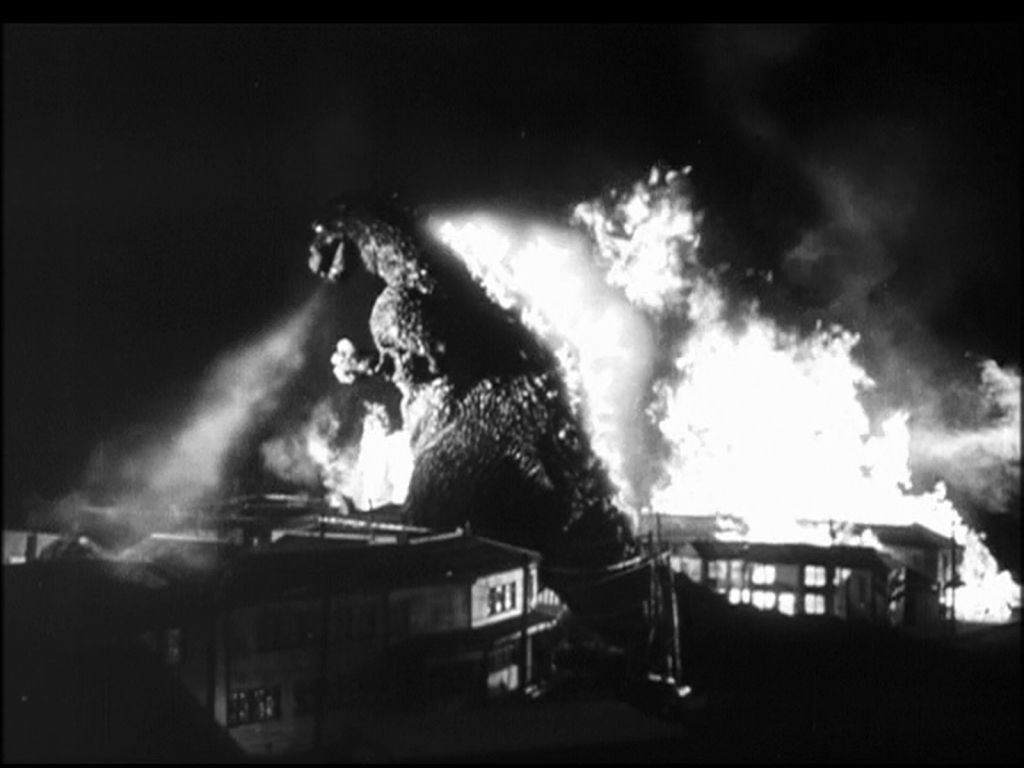
For one thing, Gojia‘s been called a Japanese ghost story and for good reason. His rampage across Tokyo does feel like a supernatural force risen up against humanity. He’s a phantasm of the deathly affects left behind from nuclear weapons and rapidly begins to repay death with more death and none are spared before him.
image courtesy of Toho, ‘Gojira’
Others have called this a force of nature. For example: a tsunami ushers in Godzilla’s approach to land and a nearby village is completely flooded in the catastrophe, leaving survivors in a sodden ruin that was once their home.
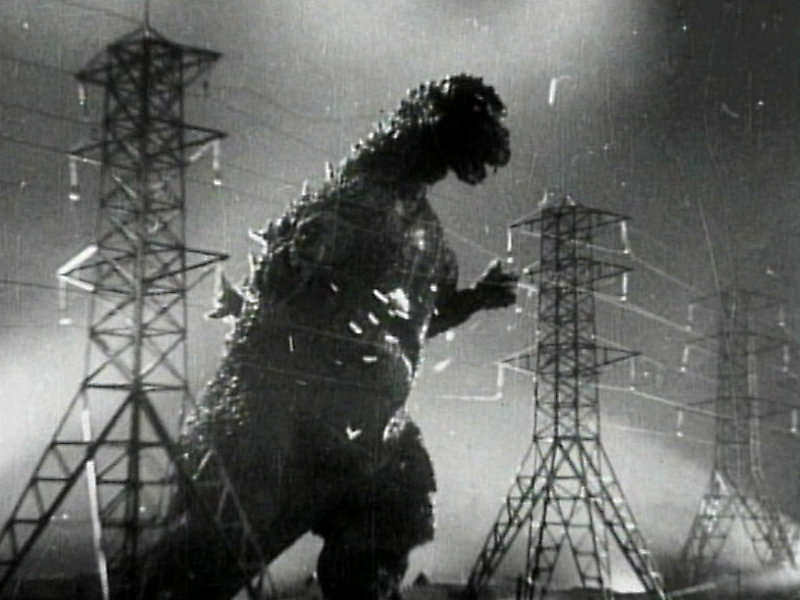
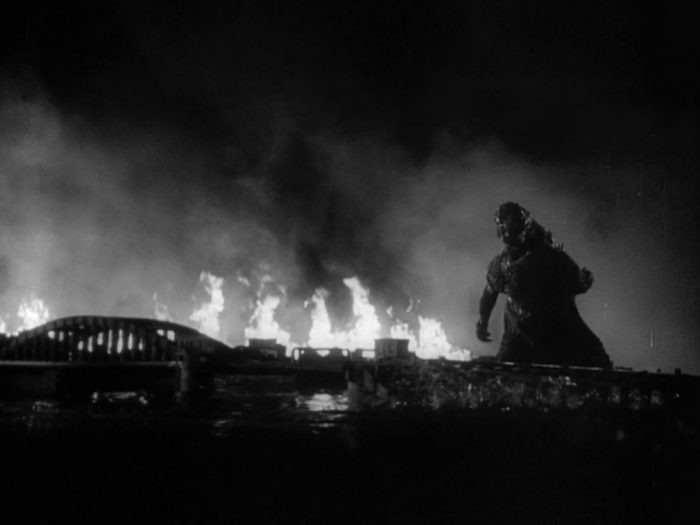
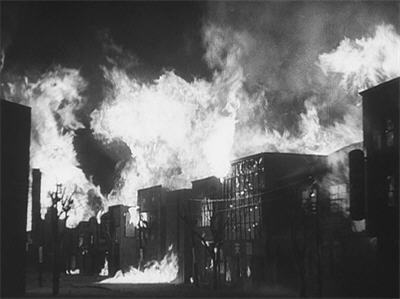
Perhaps the planet has sent him with a mission to show mankind the dire follies of their careless handling of science and the destruction wrought thereof. The disaster Godzilla causes is no less effective than that of a tornado, hurricane, earthquake, or fire. In fact, Godzilla manages to embody each of those disastrous traits as he slowly looms over the city and crushes buildings and bones with equal ease. Steal, iron, and stone are impervious against his path and prevent nothing.
image via Criterion Collection courtesy of Toho, ‘Gojira’
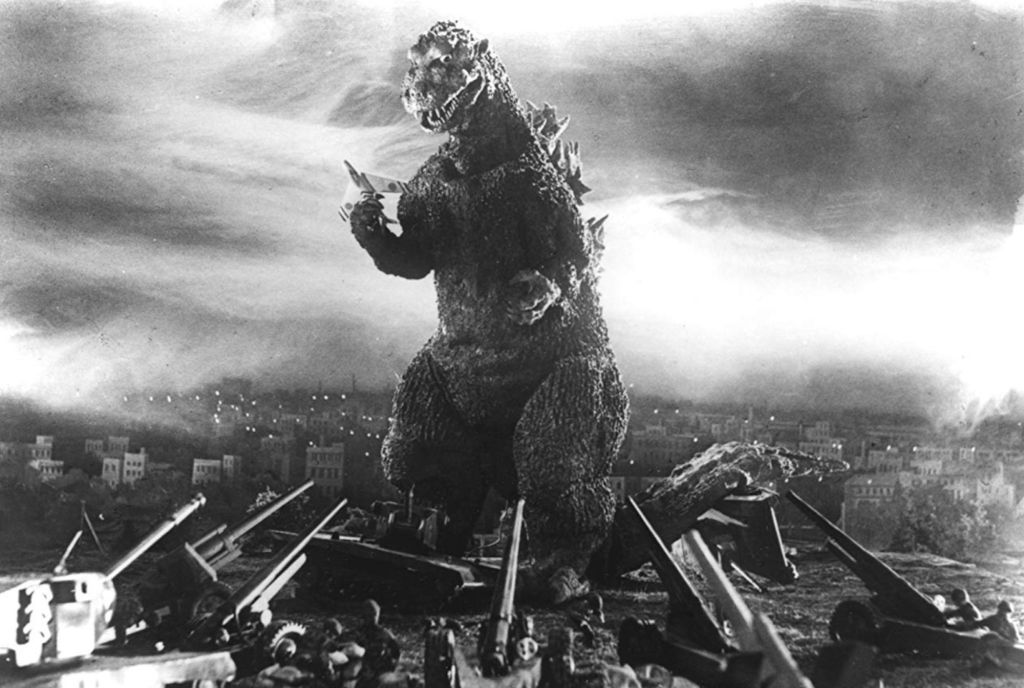
Not even the army has a chance at slowing him down.
So a living force of nature, a vengeful ghost, and the atomic monster. And this is still the opening of the movie!
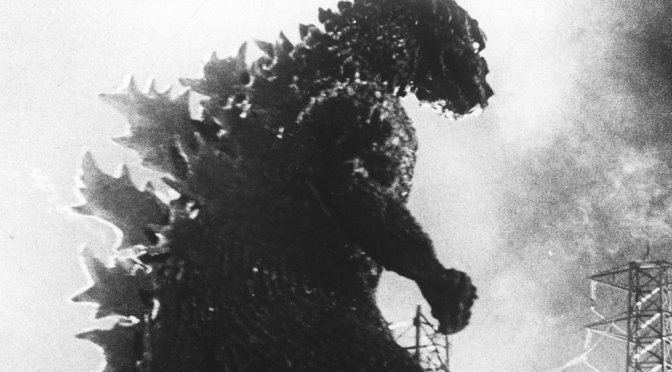
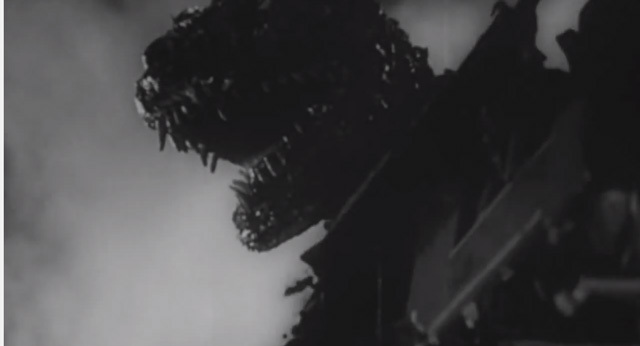
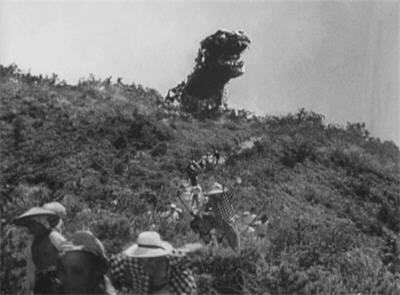
Once we do finally get the first glimpse of the titular kaiju we see Godzilla’s head slowly crowning over a hilltop. It’s undeniable the haunting imagery bears an uncomfortable resemblance to a mushroom cloud ascending.
image courtesy of Toho, ‘Gojira’
Even the design of Godzilla’s skin was based on the radiation burns victims of the bomb came back with. So rather than being a green lizard covered in scales, Godzilla is a coal-black body of radiation scarring.
image courtesy of Toho, ‘Gojira’
This is some pretty heavy stuff for a kaiju film and is nothing short of a true horror story.
After giving the film yet another re-watch I was struck by how easily this movie can stand alongside the classic horror heavyweights like Dracula and Frankenstein. But there’s something more to Godzilla that those other guys didn’t have – originality. More akin to his predecessor Kong, Godzilla didn’t have a graphic novel to inspire his lore. Gojira, like King Kong, is a work of imagination on the film makers behalf.
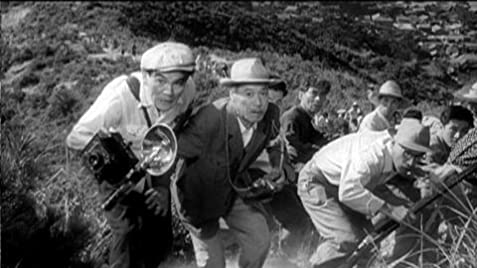
image courtesy of Toho, ‘Gojira’
Audiences will sit through some uncomfortable moments. Like a recently orphaned little girl looking down upon her dead mother’s body. It leaves you with a cold sense of silent revelation. A revelation that even if humanity stumbles upon a means to rid Tokyo of Godzilla the lingering after affects of his titanic carnage will never be remedied for so many, many lives.
Everyone seems to pick up on another emotion-fueled scene as well. I’m speaking of the mother sitting in the shadow of all the destruction while encouraging her little ones that soon they’ll be with daddy again. It’s a fierce moment featuring a doomed mother who’s come to realize there’s no chance for her or her children. The only thing she has left to offer is the meager comfort that at least their family will be reunited again after death.
There’s a reason why we all focus on that scene. It pulls at the heart and brings to light just how dire everyone’s situation really is. And the film masters these sobering moments and tricks us into thinking we’re not watching a monster movie. It elevates what should be a B movie to A-list quality.
image courtesy of Toho, ‘Gojira’
The tone and story lines of the ensuing films would lighten up significantly and Godzilla would evolve from his initial role of being mankind’s ultimate destruction to humanity’s conquering protector.
And that’s how I like my Godzilla most, as the protector. Nevertheless I admit there’s something imperially satisfying about seeing Godzilla wreck havoc across unsuspecting cities. At the end of the day, fans have a multilayered monster to adore which isn’t bad for a man in a rubber suit.
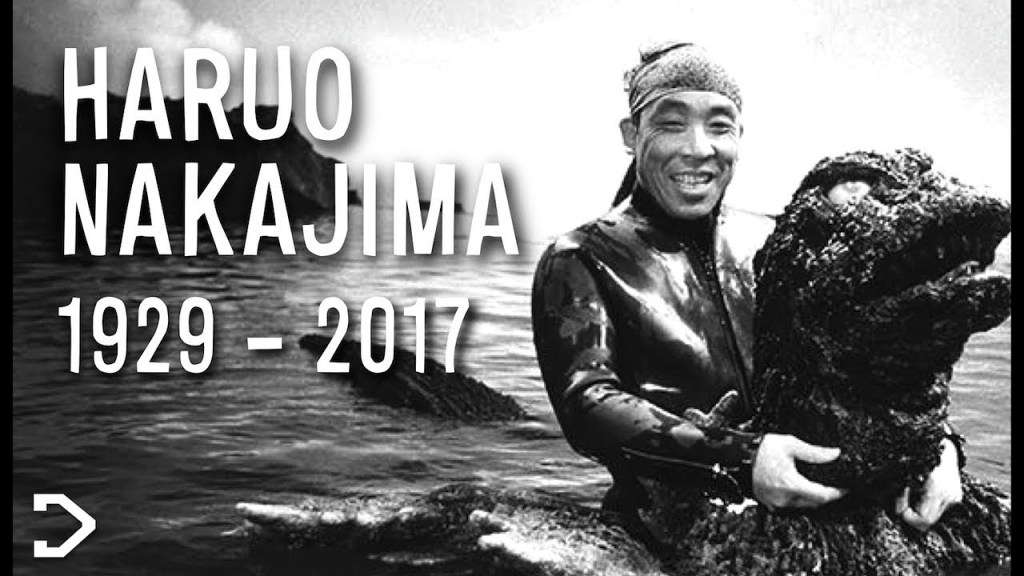
actor Haruo Nakajima, image via Toho
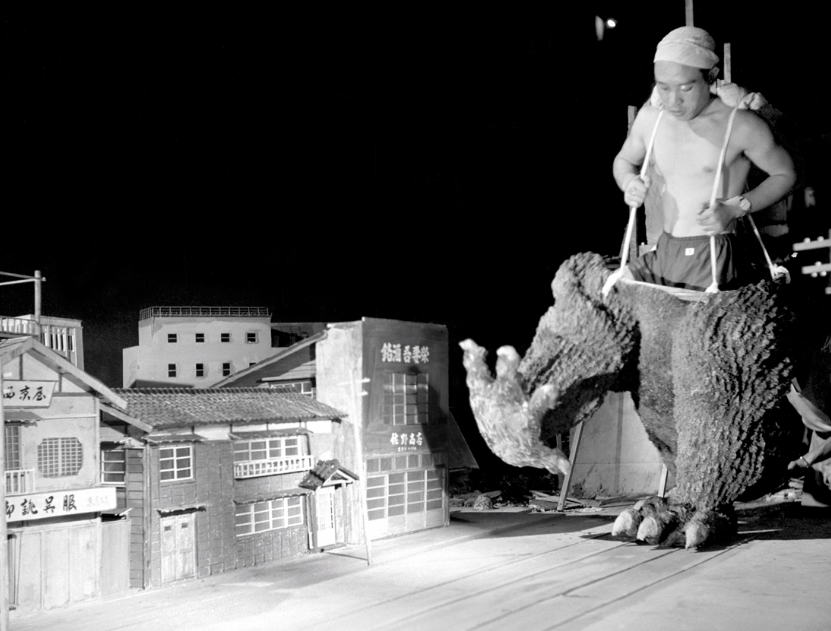
Speaking of which, actor Haruo Nakajima, the man who brought Godzilla to life (from inside the suit), said he based his movements on what he saw from bear behavior. It does give Godzilla a more natural feel, something organic and feral.
That beautiful man’s performance is what has kept Godzilla the ultimate King of the Monsters all these many decades later. Nakajima played the roll from 1954 all the way into 1972 and laid the unshakable foundations that none have strayed from as they fill his giant-monster shoes in later roles. His spirit lingers on and is felt even in 2016’s Shin Godzilla.
This master of monster art is responsible for bringing fans some of the most iconic battles seen throughout the entire franchise. His Godzilla was first to stand against the likes of King Kong, Rodan, Gigan, and his archenemy King Ghidorah! He introduced us to the gigantic world of larger-than-life fantasy! He suffered inside that hot, sweaty, bulky suit to bring us a beautiful film series to believe in and be enchanted by.
Lost in Translation
Unfortunately, many Western audiences associate the first Godzilla movie with Godzilla, King of the Monsters (1956) which was – to be fair – technically the first Godzilla movie released in the US. However it suffers from a ton of re-editing.
image courtesy of Toho, ‘Gojira’
The two films may share the initial concept story but they honestly couldn’t be further apart from each other. In terms of tone, atmosphere, and pacing Gojira wins hands down.
image courtesy of Toho, ‘Gojira’
I’m not saying GKOTM (1956) is a bad movie but it does lack the very things that made Gojira a masterpiece. By purposely cutting out the political message and removing significant scenes of tragedy the American re-edit lacks the heart and soul of Gojira.
Because of this, the Americanized version feels more like a typical ‘50s nuclear monster movie akin to Them. And that’s not a bad thing…I love those kinds of movies. But compared to Gojira you see how malnourished the Western edit is.
image courtesy of Toho, ‘Gojira’
So even if you’ve seen Godzilla, King of the Monsters (1956), and not Gojira you’re missing out. Gojira is a cinematic achievement just as much as the original King Kong was.
Thanks to the Criterion Collection a very nice edition of Gojira has been made available to fans. Be sure to check it out here. There’s never been a better time to catch up on our favorite kaiju’s apocalyptic roots.
Sixty-six years later and still going strong, Godzilla’s adamant sovereignty is proven just as indestructible as himself! And given the success of his reintroduction to newer audiences – largely thanks to Legendary – his fame has hit an all-time high thus assuring his place in history… as if there was any doubt.
image courtesy of Toho, ‘Gojira’
This has been Part 1 of a 3-part look into the three Godzillas. Next time we’re going to dare take a look at that, yes that, Godzilla movie that came out in 1998.
I’m Manic Exorcism and if you need to satisfy any further Godzilla goodness be sure to check out my previous articles both here and here. Don’t forget to give us a like and let us know your thoughts in the comment section below.
You can follow my shenanigans over on either Instagram or Facebook @thetruemanicexorcism
Not since high school algebra have I been as terribly confused as I was today while scrolling through Shudder’s horror library. How, in all my years of watching cheddar-flavored schlock, had I never heard of Microwave Massacre? Just this morning, I’d have been willing to bet my brother’s kid that this film would be enjoyable – and since I love my nephew to pieces, I’m quite glad that I didn’t.
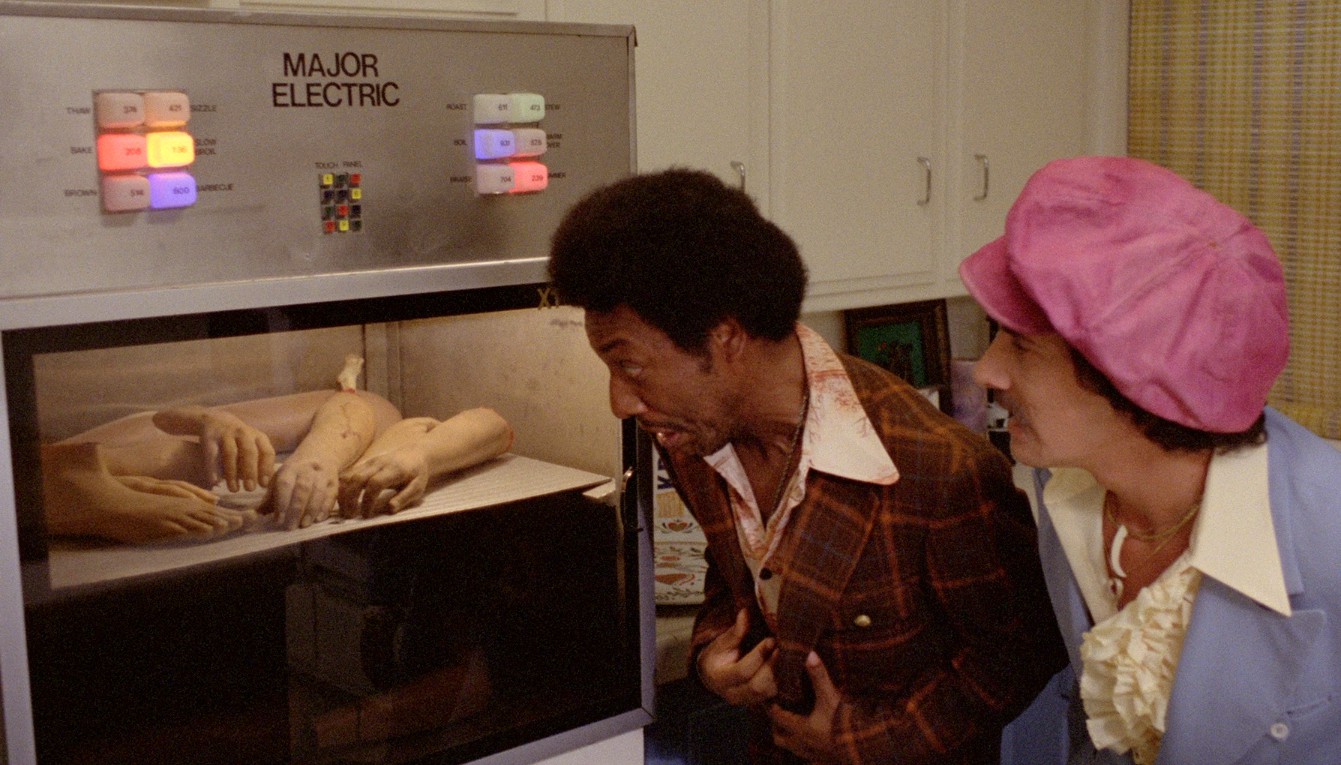
Microwave Massacre fittingly begins with a glimpse at a fancy microwave oven and a deteriorated severed head, which, by my standards, is the peak of film openings. Unfortunately, when you reach the highest point of my fictional mountain, the only way left to go is down. A slow, methodical descent into Shitsville (The town at the bottom of the mountain, in case you didn’t know) is the respectable way to come down, but Microwave Massacre more-so slips on eagle shit and slams against every jagged rock until it reaches the surface below.
In layman’s terms, it’s really bad.
Immediately following the opening sequence, the camera follows a young woman around town, focusing primarily on her breasts and butt. This is painfully indicative of the woefully sexist film to come. The woman eventually arrives at a construction site and leans over to peek at the workers through a hole in a fence. At this point, a random man pinches her ass, pushes her boobs through the hole in the fence, and has sex with her.
I don’t know about you, but that sounds like rape to me.
Strangely, Microwave Massacre plays this sexual encounter for comedy, with eccentric music accompanying the construction workers as they notice the breasts poking through the hole and rush over to find the woman that they’re attached to. When they reach the fence, the moaning woman removes her breasts from the hole and inexplicably hurries away. Can you see why I’m so goddamn baffled about this? If the woman was being raped, which we all agree that she was, why have her rush off so that she didn’t get caught having sex? Does this mean that she was willingly having sex with a stranger who grabbed her ass and made unsolicited advances? Your boy needs answers, and this film isn’t giving them to me.
All this in the first five minutes of the movie.
The primary focus of Microwave Massacre is Donald, a construction worker who has grown tired of his nagging wife and the diet she forces him to follow. Rather than separating from his partner in the more traditional sense, Donald’s constant misery drives him to bludgeon her to death with a pepper grinder and pop her in the microwave. The way she would have wanted to go, he says, staring directly into the camera.
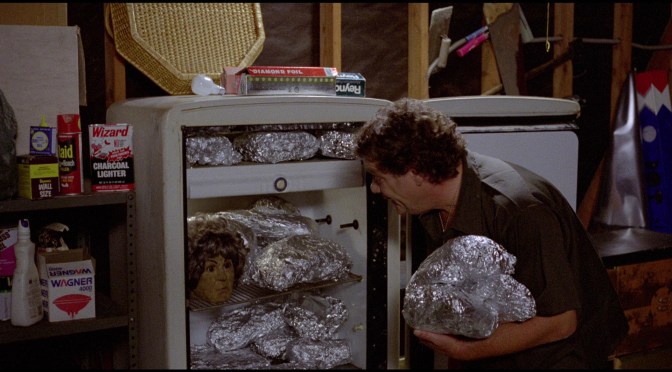
Now with a hankering for human flesh, Donald cuts his wife into dozens of pieces, wraps her up in tinfoil, and places her in the garage freezer. The only part of her body that isn’t covered in foil is her head, which brings to mind The Voices, a far superior horror comedy starring Ryan Reynolds. In that film, Reynolds’ character also keeps the heads of his victims in a refrigerator. While I doubt that Microwave Massacre was any sort of influence on that vastly different film, the connection of that tiny detail seems almost prophetic since there’s a roll of Reynolds Wrap on top of Donald’s meat freezer. This is the type of thing I’ll make conspiracy videos about when I’m 35 and in desperate need of life direction. Not that I couldn’t use some now.
Anyway.
Free from his burden of a wife, Donald starts hanging out with his work buddies more often, feeding them sandwiches made from her corpse. When he grows tired of her meat, however, Donald begins inviting prostitutes over to his house, where he kills them, cuts ‘em up, and cooks them in the microwave – all the while making Rodney Dangerfield style quips while looking, you guessed it, directly into the camera. This occurs repetitively throughout the last 45 minutes of the film, and just when we think Donald has been backed into a corner and that the plot will finally shake things up for us, he uses a bread roll to snuff a woman out and evade trouble.
A goddamn bread roll.
Microwave Massacre is the equivalent to that one friend who thinks he’s hilarious, though he’s actually just obnoxious and abrasive. The attempts at humor are desperate and sad, and the element of horror is non-existent. It’s not the so-bad-it’s-good type of horror movie that the title suggests: it’s just bad.