Whether you categorize it as action, science fiction, horror, or all of the above, PREDATOR (1987) is a god-tier film. With Dan Trachtenberg’s PREDATOR: BADLANDS (2025) set to surpass the franchise OG at the box office nearly four decades later, it’s time to talk about what made a ninth film possible: a brief but game-changing scene that lifted PREDATOR from interesting to indelible.
Though the film is a hybrid that refuses to be limited to a single genre, it’s impossible to deny that PREDATOR has action movie tendencies. And late-eighties action meant the machismo went to 11, a fact that required PREDATOR to venture beyond awe into something raw.
Screenwriters Jim and John Thomas threw down a gauntlet of emotion ranging from exhilaration to fear, but were keenly aware that to rise above the body count of action and slasher popcorn fare demanded the audience feel the toll of loss.
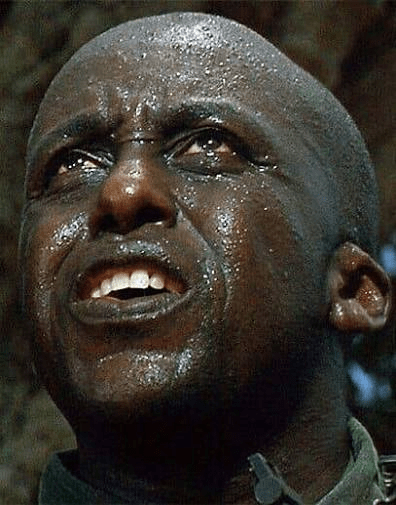
Despite boasting of peak Schwarzenegger, the bravado of Carl Weathers, and the otherworldly presence and performance of Kevin Peter Hall, none were up to the challenge of carrying PREDATOR to the mountaintop.
That daunting task was placed in the more than capable hands of Bill Duke.
The film’s first act firmly established the camaraderie between Duke’s Mac and Blain (Jesse Ventura), so when Blain fell, Duke took center stage.
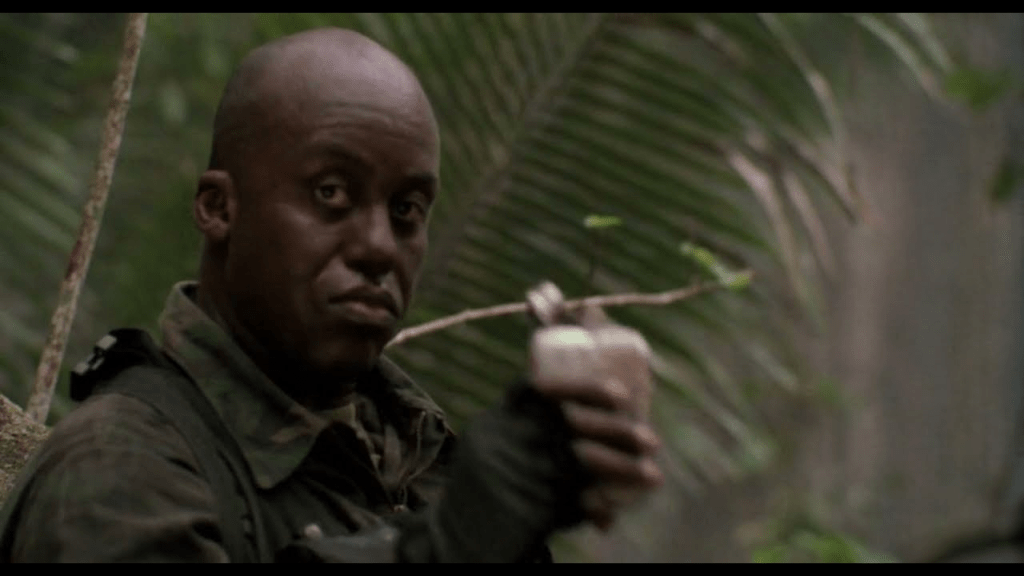
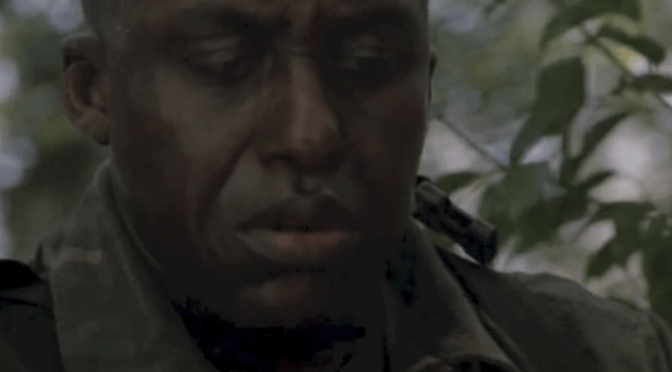
After Dutch (Schwarzenegger) said “[Blain] was a good soldier,” Duke’s heavy-eyed declaration “he was my friend” superseded the well-worn trope of the revenge-fueled tunnel vision to come. Mac was mourning.
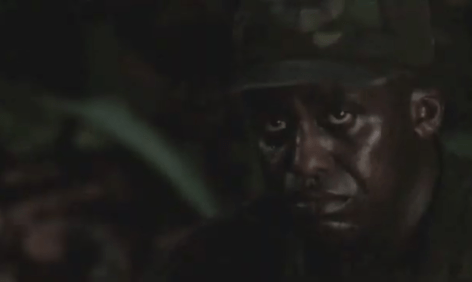
Accompanied by Alan Silvestri’s Taps-inspired horns, Duke knelt next to his fallen comrade, and those same eyes spoke volumes about years, memories, and an unbreakable bond. As the horns swelled and Mac took one last drink from the flask they’d often shared, only two words escaped Duke’s lips: “goodbye, bro.”
With two words and less than sixty seconds, PREDATOR clearly communicated that these weren’t one-liner-spouting action heroes inexplicably taking out an entire army, they were human beings trying to survive.
The culmination of the Thomas’ writing, Silvestri’s score, and Duke’s delivery created a magical moment that forced the audience to share the suffocating weight of Mac’s sorrow.
In that moment, PREDATOR went to a place few movies of its ilk or era dared visit—that soldiers were people—and sometimes people lose. A moment that guaranteed PREDATOR would stand the test of time.