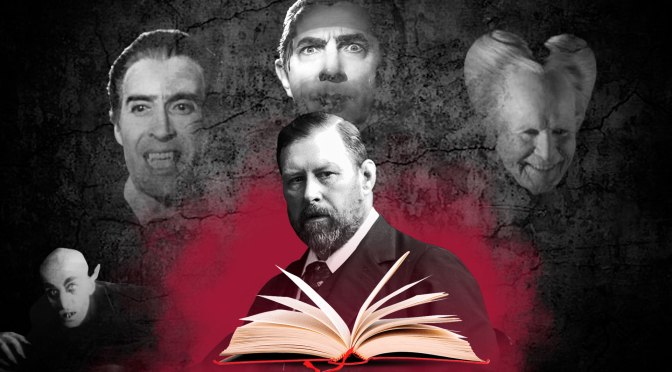
Even among the most iconic denizens of horror, he stands out as a colossal figure bowing to none and ruling over all others. He is the Son of the Devil, accursed of God, and Father of Plagues. The mention of his name conjures forth images of tall ruins and battlements, of permanent night and a castle haunted by nocturnal demons. A kingdom looming over fog-laden graveyards and midnight towers rising to scratch the silver frost of crescent moons. His presence haunts the Carpathian mountainside and his shadow far spreads across the villages of Transylvania, chilling the blood with ultimate terror. His legend is renowned and his history evermore draws out the mystics to return once more to the land of vampires where he sits enthroned among the ghouls. He is Dracula!
The Imperial Legacy of Dracula
Transylvanian nights, autumn-shaded fields, greying woods of barren trees haunted by werewolves, and, most of all, deep crypts beneath the demon castle where the undead slumber restlessly in an anguish of eternal thirst.
These are merely a handful of examples Dracula inspires within us. A devil, a king, and a tyrant. A vampire and a lover. The romantic and the fanatic, a man and a beast in one combined by howling passions and restless obsessions.

In every imaginable form, Dracula has mystified people around the world. History knows him as a blood-crazed warlord whose carnage saved his beloved Wallachia from invaders. The hillsides ran red with the blood of his enemies who hung between heaven and earth from the crude poles Vlad Tepes impaled them upon. Grizzly decorations to demonstrate his ruthless majesty and unwavering malice. He would feast beneath the agony of their slow death even though the air ran putrid with the black stench of human rot and cadaverous decay.
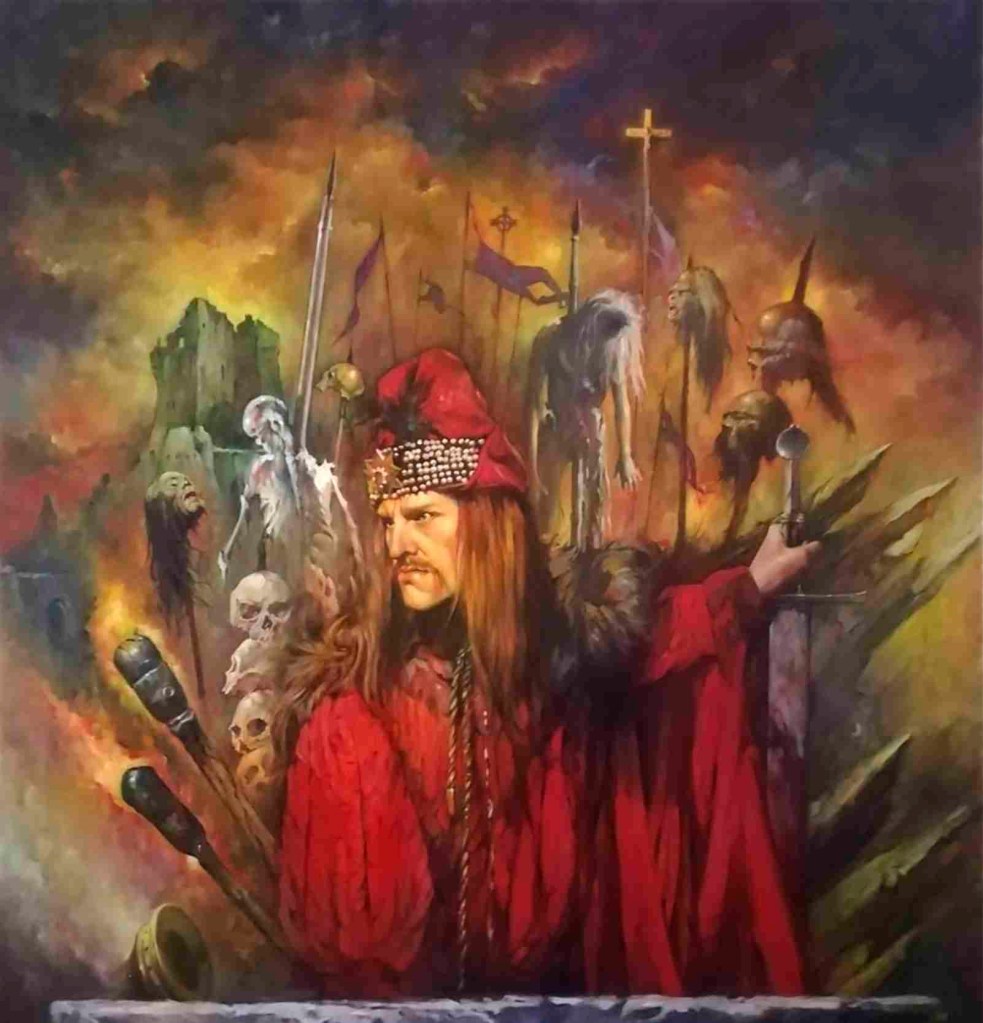
Among his various accounts, it was noted that Vlad was seen dipping his bread in a pool of blood and feasting thus solidifying the rumors of his vampiric legend even further. To this day the inhabitants of Romania hail Dracula as a national hero and do not view him as the monster he’s universally perceived as.
In literature, you’ll find no vampire any more recognizable or beloved than him. He’s not only dominated the bustling theater stage but has likewise wrapped his gossamer wings around movie-going audiences and holds generations enthralled by his mystique.
Even videogames get in on the power of Dracula’s immortal darkness and reap the rewards.

Through him, we recognize the darker aspect of our own nature. Those hidden longings and buried desires we all keep unseen by the light of day. Our thirsts and insatiable cravings that would otherwise wash us away in a tidal flood if not for the restraint of a good and proper conscience. Dracula, on the other hand, is unrestrained, and perhaps, in loving him, a silent exorcism of our own shadowy demons is at play. As the Prince of Darkness, he draws out the blackness of our souls and embodies our bestial aspects of nature so that we may go on with living in the sunshine. Oh yes, he is evil but is a necessary evil.
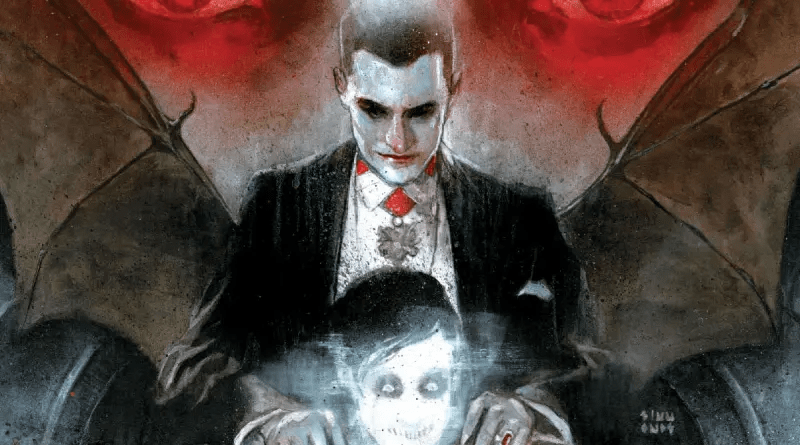
Perhaps for this very reason, scholars return back to his crypt year after year in hopes of some future discoveries remaining sealed away among the nocturnal mysteries of his haunted castle. And, as a matter of point, what a great discovery has been made concerning the legend of our beloved Count Dracula!
The Half Has Not Been Told – The Powers of Darkness!
Dracula’s legendarium is universally known by now, an achievement seldom ever accomplished and worthy of celebration. The Count rising from his grave to feed off human blood; the bats, the wolves, the castle, and stakes through the heart all come from association with Dracula’s immortal tale.
Ask children to draw a vampire they’ll draw you a figure with fangs and draped in a black cape. That’s Dracula. Ask anyone what a vampire turns into and they’ll say. ‘a bat.’ Again, that’s from Bram Stoker. Dracula isn’t just a vampire to the world. He is the vampire to us, the very quintessential embodiment of everything a vampire is expected to be. That is how well-established Dracula is.
He is a global phenomenon.
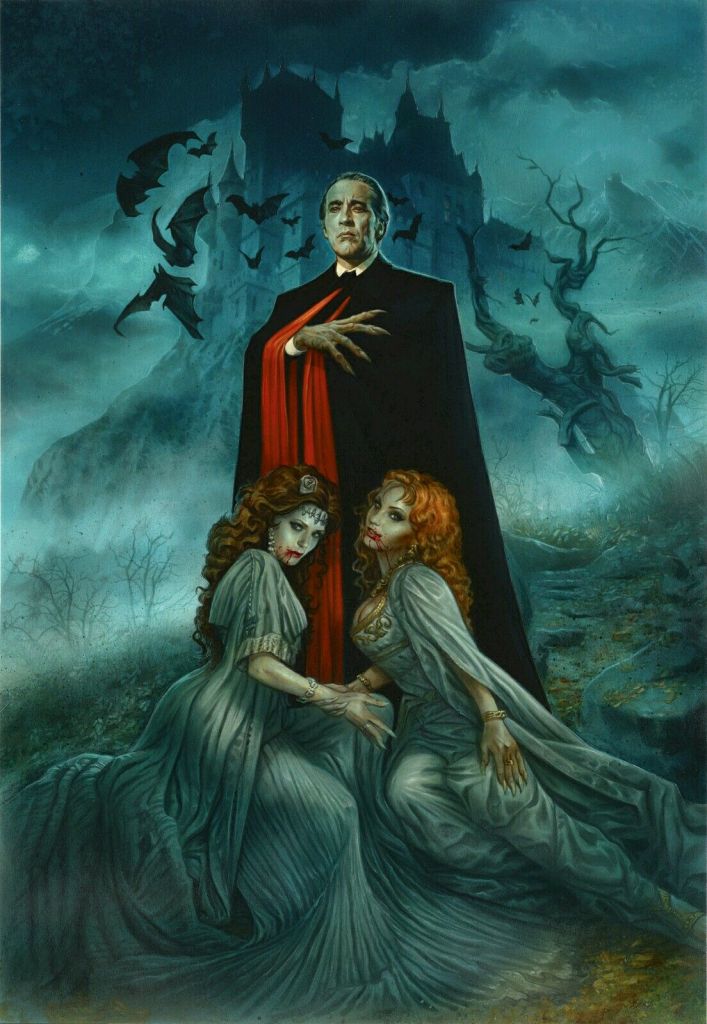
Nevertheless, as readily recognizable as the beloved Count is, and as one renowned Dracula scholar discovered, there may in fact be far more to this beloved vampire’s saga than we first thought possible. Could there be a completely different Dracula that’s secretly been hiding among us for over a hundred years? If so how perfectly fitting of it.
Enter the unusual Icelandic interpretation of Dracula AKA Powers of Darkness.
Much like how Dracula rises from the dead upon sundown this ‘lost’ edition rose up, perhaps at some astral appointed time, and unfurled its mystery at long last demanding recognition. This lost edition of Dracula was found in the Icelandic translation of Bram Stoker’s horror tale. At first, it was thought to be nothing more than an example of artistic freedom on behalf of the translation. It happens.
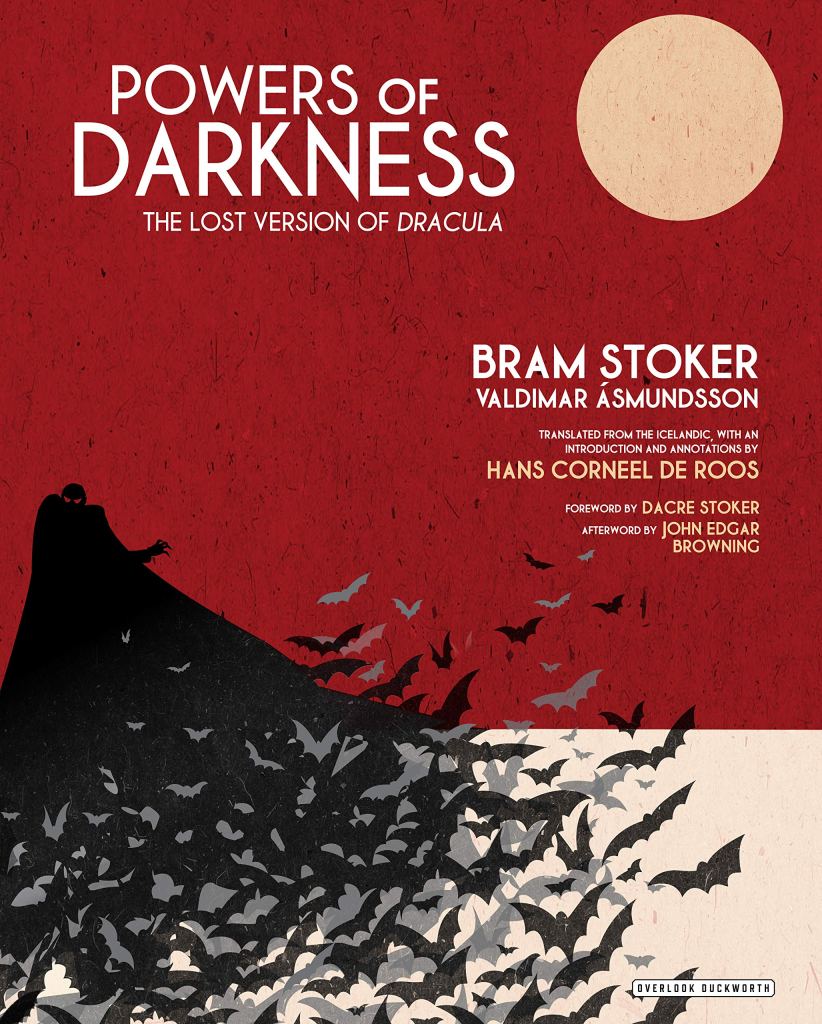
And yet, the more the Icelandic edition was studied the clearer it became this was not simply a bit of paraphrasing of the original, but this was in fact a genuinely different animal altogether. New characters, new chapters, and a new plotline awaited within.
When I first heard about this ‘lost’ version I thought maybe it would be similar to what happened with Universal’s Spanish Dracula. Both versions of the movie were filmed at the same time, the Lugosi version was shot during the day whereas the Spanish crew filmed at night. Though the movies follow the same plot many feel the Spanish version is technically superior to the Lugosi film. But the narrative doesn’t change much.
This isn’t the case between Dracula and Powers of Darkness.
Some of the glaring differences are as follows:
I: The Powers of Darkness is not at all a gothic romance, a thing its counterpart is celebrated for. The original Bela Lugosi movie was called a story of the strangest passion the world has ever known! Decades later Francis Ford Coppola would reinvent the wheel with his passionate retelling of the vampire’s romantic tale with Bram Stoker’s Dracula.
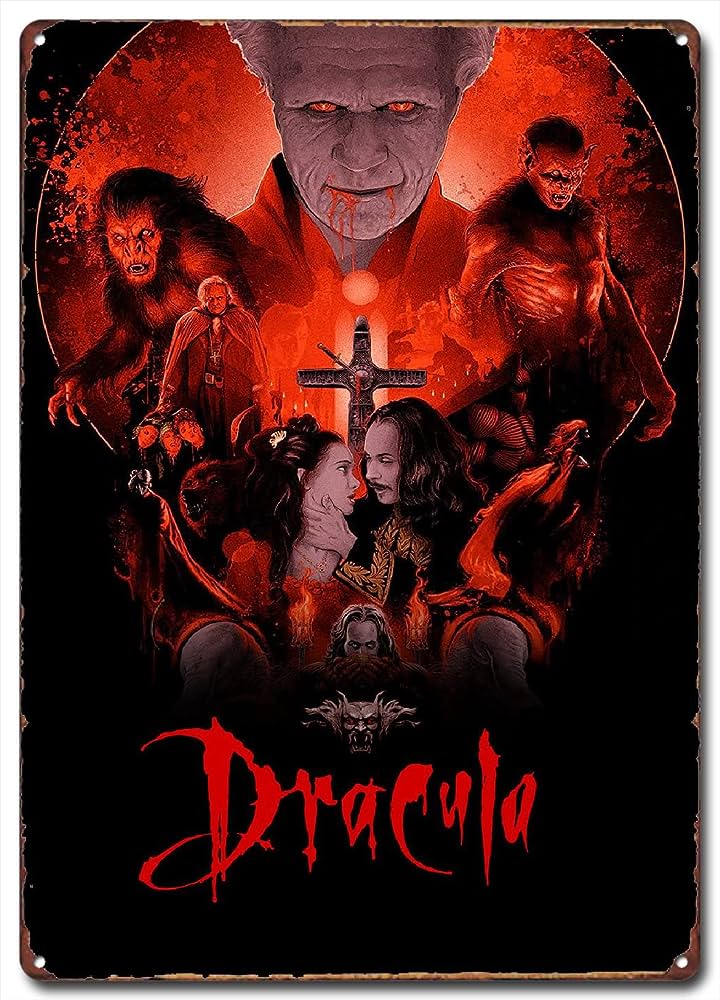
By the time Coppola’s film was released the world was inundated with many, many different Dracula movies. Many earning cult status on their own merits. As a matter of fact, to this day Christopher Lee’s portrayal of Dracula stands as most people’s favorite thanks to the Hammer Horror take on the Count. But after so many movies about this Prince of Darkness, it seemed either stupid or bold to make another one.
And yet, with nearly a hundred movies about Dracula already in circulation, this passion project hit theaters and stabbed at the heart of audiences all around the world, becoming an instant classic and inspiring a new generation of dark-minded individuals universally. It is not a 100% accurate adaptation by any means but it does stay closely to the vein of Stoker’s novel. Bram Stoker’s Dracula was a blockbuster sensation and Gary Oldman’s performance is chilling as well as tragic. The poster promises Love Never Dies, thus once more confirming the deeply rooted romance at the heart of Dracula.
Well, The Powers of Darkness has none of that. Removing the romance from the story grants the narrative a more menacing scope. For example, in Bram Stoker’s recognized story Dracula travels to London and there falls in love with Mina. Dracula is after her heart. In Powers of Darkness, Dracula is not out to steal hearts but to conquer the world. His planned trip to London is far more ambitious. London, for the time, being the pinnacle of world power naturally causes the Count to turn his reddened eyes her way with a lust to rule and dominate.
This version of Dracula thrills me for obvious reasons and I’m pretty sure my readers will know why. If you’ve been with us for very long and are accustomed to my writings you’ll know how much I absolutely love the Castlevania games. In Powers of Darkness, Dracula reminds me of the Dracula from that game series. An evil master of demons and Dark Lord of horror. He will engulf the world in his growing shadow and only the bravest can stand against him.
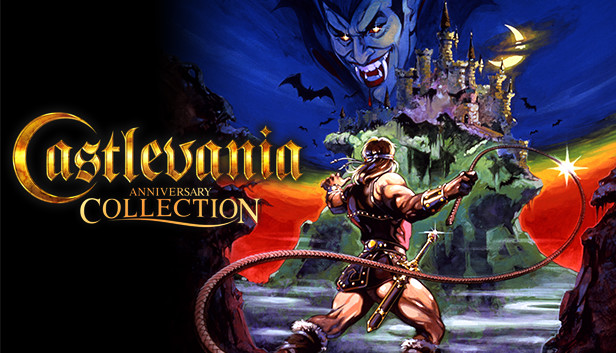
I’m not saying PoD is an action story by any stretch of the imagination, but I will admit it is thrilling.
II: Whereas the original novel takes place mostly in London The Powers of Darkness plays out mostly in the dark regions of Transylvania. And let’s be honest here. That’s way more interesting than London. When we think of Dracula he’s always in the top spires of his castle which is secured at the heart of Transylvania. Keeping the reader in the heart of vampire country allows for a much darker experience, one that is perfectly suited for Halloween which makes this edition the perfect new read come the witching season.
III: Compared to the original version this one’s positively dripping with eroticism. The romance of Stoker’s original novel may be gone but in its place is a silky and sensual carnality on full display. Today it would be considered tame by modern audiences but for those picking up a copy upon its initial publication a hundred-some years ago, they had to have felt red around the collar. It would have been altogether too obscene for proper Londonites of the day.
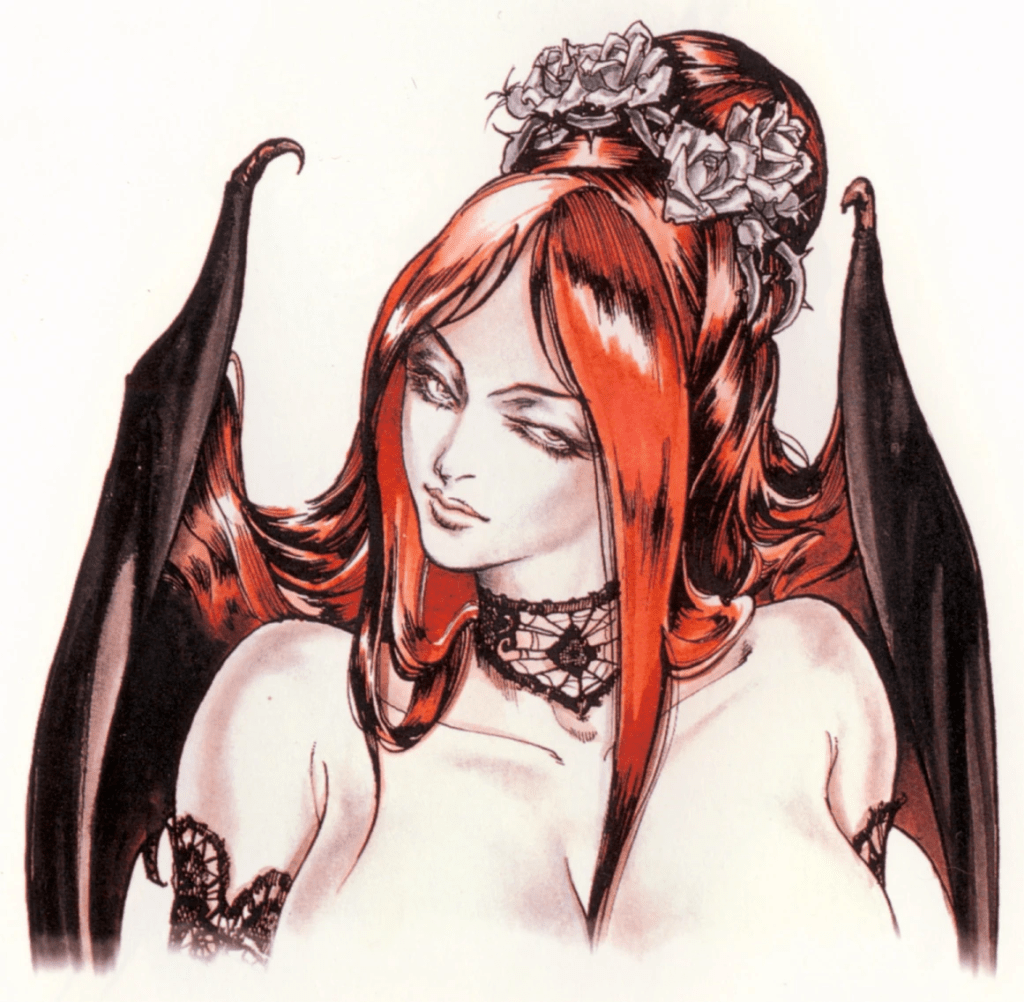
This further pushes the argument that Bram Stoker was behind the Icelandic release. As a writer, he must have known how reviled his original version would be seen by the society he lived in. In fact, even the version of Dracula that got published was considered far too ‘dreadful’ by many of Stoker’s associates. The idea of having lustful beings who equally feed on human blood and are children of the Devil would have been too extreme for people to accept. So what is a writer to do? If it was me I would get both editions published in order for the dream to live on across the world.
In Powers of Darkness, we don’t see pornography, of course not. It’s nothing of that degree, but young Mr. Harker’s mind is tortured by ungodly thoughts once he sees a mysterious beauty playfully about the halls of the castle. Her clothes are far more revealing than Mr. Harker has ever had the pleasure of seeing. Not to mention a full-on Satanic orgy is held beneath the castle. As I stated before proper English society would’ve been appalled.
IV: Character names are changed, and other characters are gone entirely. In Dracula, we follow Jonathan Harker into the mysteries of Transylvania where the Count awaits to greet him. Meanwhile, in Powers of Darkness, we follow Thomas Harker, the same character but different name.
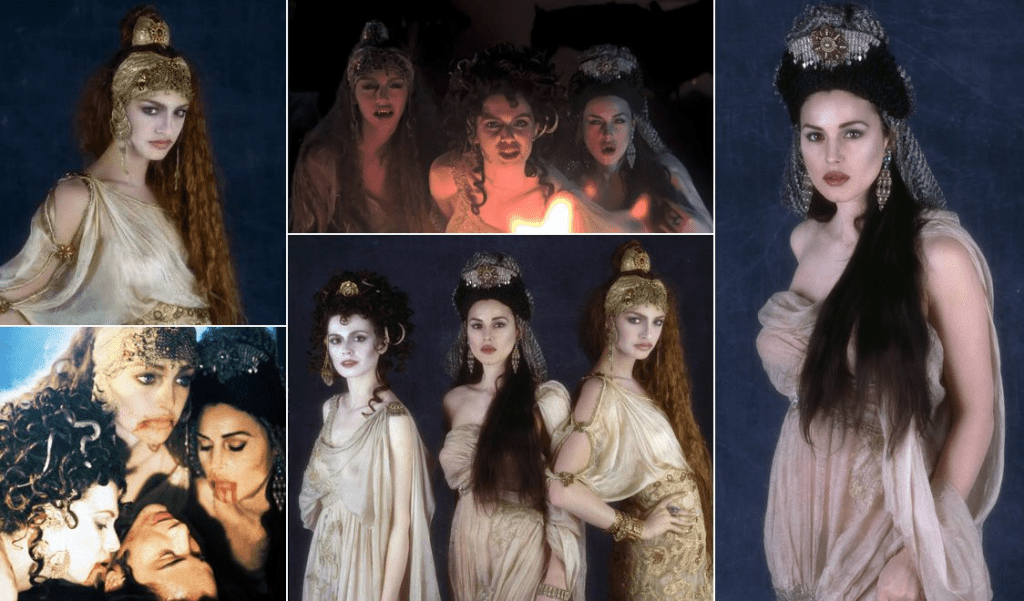
The three Brides are missing here. The Brides were always interesting to me and added to the dangers lurking about Castle Dracula. They were tragic and foreboding, a beautiful menace not to be taken lightly and never to be underestimated. Their omission here is sadly felt.
Now that I think about it I don’t think Renfeild is in this either. Something about the lunatic Renfeild is really special and no one’s portrayed the part better than in Bram Stoker’s Dracula.
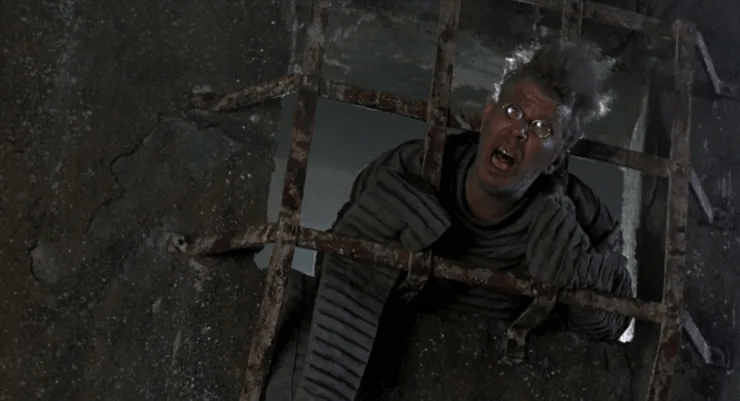
Played by Tom Waits, Renfield stole the show and caused me to more deeply appreciate the character’s role in the story.
V: Additional chapters. The one scene worth mention more than any other is the midnight ceremony held in the bowlels of the Castle. Thomas Harker stumbles upon a satanic extravaganza where cult members celebrate the profane in an occult ceremony led by Dracula himself. The unholy reaches its zenith with a human sacrifice and members of the dark gathering drinking the sacrificial blood. Harker knows he better get the fuck out after this little incident.
Could Bram Stoker Have Written Two Versions of Dracula?
This is either a blatant example of savage plagiarism at the expense of Stoker’s estate or it is in fact a whole other edition of Dracula certified and approved by Bram Stoker himself.
With its searing sensuality and a heavier focus on horror it is possible Stoker knew his society was not yet ready to accept his earliest vision of Vlad Tepes but instead of trashing a work he spent years on writing out, he could have sold the rights to Icelandic publishers knowing the descendants of Viking conquerors would be a bit more open-minded than his common tea-time enjoying Englishman.
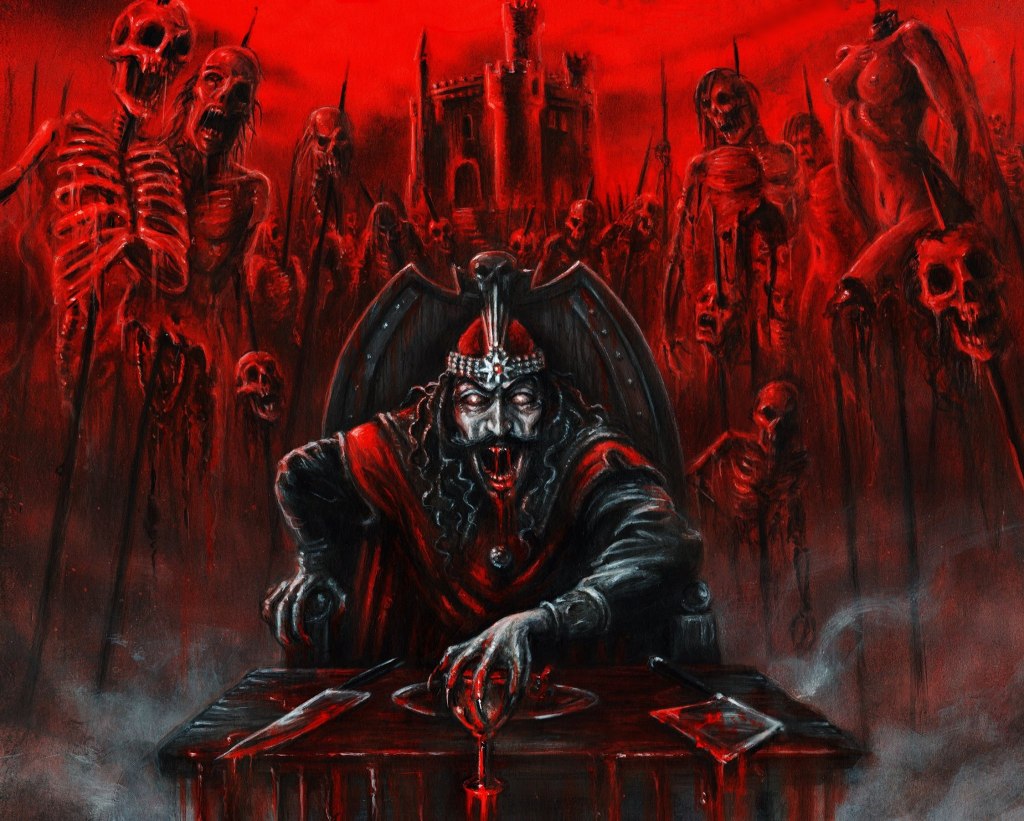
Now that’s all speculation of course. Have we any substantial evidence to back up these claims though? In fact, we do.
Thanks to the newly released edition of Powers of Darkness, the scholarly evidence gleaned by noted Dracula scholar Hans Corneel De Roos is presented for our approval and it’s damn compelling. One thing De Roos points out is how – in Bram’s day – Iceland was all the rage. Many English families made their way to the mysterious land of Vikings to holiday and Icelandic wanderlust was in full bloom.
Others may find it intriguing that Bram’s work would be translated into Icelandic, but considering the fascination with Vikings and “the Old Norse” in the literary circles of his day it makes sense to me… Bram’s connection with the Vikings was personal.
Powers of Darkness, forward – Dacre Stoker
It’s also evident that the Stoker estate fully embraces this Icelandic version of Dracula and endorses it. Dacre Stoker writes the foreword of the book and insists Bram Stoker not only knew of the many changes between both versions of the story but in fact orchestrated them.
Another thing worth noting is the business agreement Bram Stoker had with his publisher. It allowed Bram Stoker ‘to sell Dracula – or any version of Dracula for translation.’
Bram would have loved the irony of the situation. He knew the best place to hide something was in plain sight – just as he hid his vampire Count as another face in the crowded streets of London.
Powers of Darkness, forward – Dacre Stoker
Finally, among many of the glaring differences between both versions is the introduction of Dracula from within Powers of Darkness. Many fans think of Bela Lugosi or Christopher Lee, with the swirling cape and smartly dressed vampire, when imagining Dracula. However, in the published account when Jonathan meets his vampire host Dracula is a withered old man covered in a solid black robe.
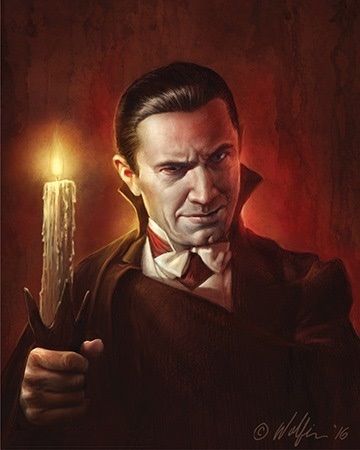
In Powers of Darkness though we see the very stereotypical Dracula we’re all accustomed to. The suave tall smartly dressed man of mystery. He is more like the Dracula we all have come to expect.
Now to further drive this point Bram Stoker’s background was (in fact) the theater and he had the rights to turn his gothic masterpiece into a stage play. The Stoker stageplay for Dracula is what Universal based its movie on when adapting the tale to the big screen. It’s also common knowledge that Bela Lugosi, years prior to being immortalized in the movie, was already well-established as Count Dracula on the theater stage. The iconic look was simply lifted to the cinema.
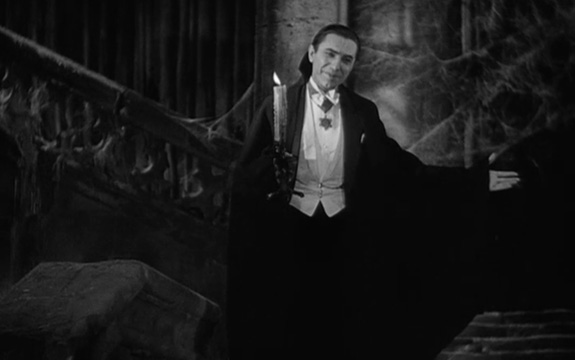
Bram Stoker approved of the look of his Count even if it was nothing like his novel’s description. It did match the description of Powers of Darkness though. Hmm, could it be a coincidence or is it evident the same mind was behind both versions?
It might as well be noted that Dacre Stoker has released an official sequel to Bram’s Dracula story, Dracula the Un-Dead. In Dacre’s story, Bram Stoker is actually a character in the tale and, yes, he’s in the middle of making the famous stageplay of his book. There’s a scene where Dracula barges in on Bram Stoker and furiously throws a copy of Dracula at the writer. “LIES!” Dracula hisses at the bewildered man before vanishing.
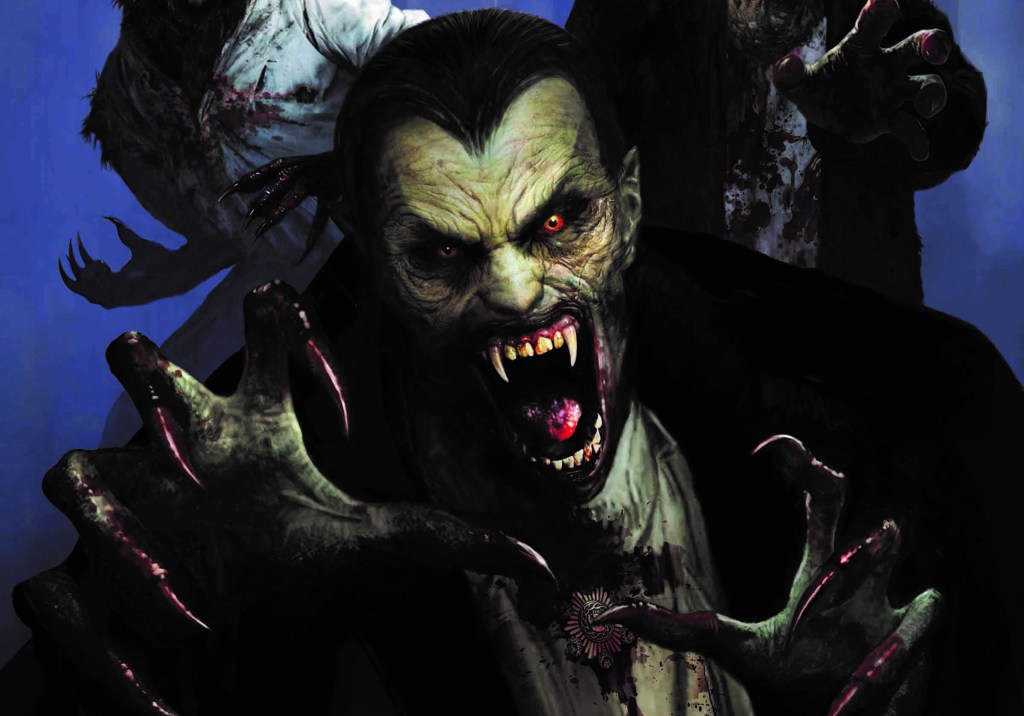
I didn’t think much of it until researching all this ghastly beautiful stuff and now I have to wonder if this scene was some inside joke of the Stoker estate. As if to say Dracula is not the entire story but only a version of it. That, possibly, there was another (lost) version out there waiting to be resurrected.
At the end of the day, we are free to draw our own conclusions. Personally, I like to think Powers of Darkness is indeed a lost version we’ve just now discovered. Having read and loved Dracula so many years ago I truly loved having one more chance to return to the realm of the Vampire and gain a brand new experience of one of my all-time favorite monsters!
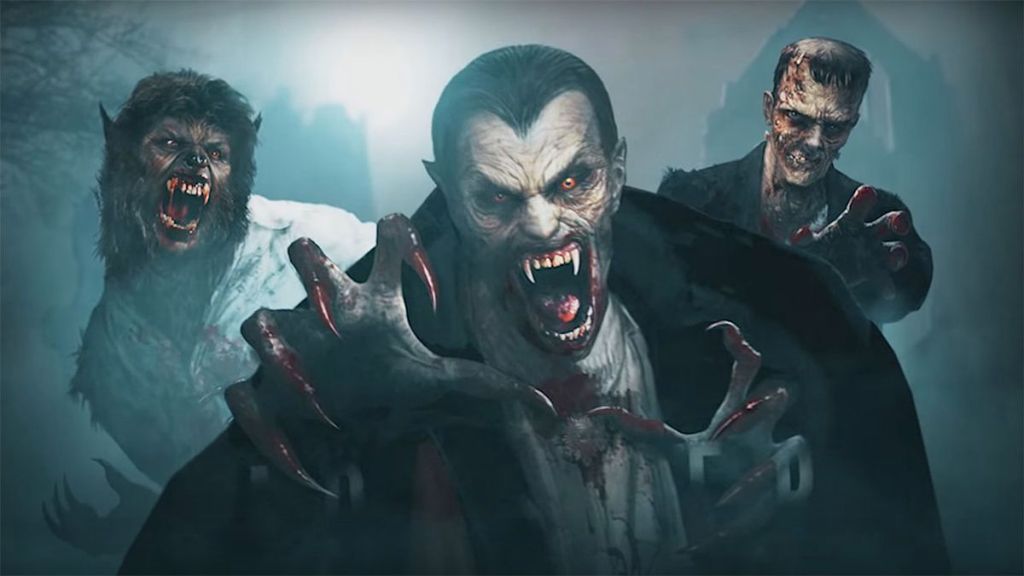
Powers of Darkness does nothing to diminish the Count’s legacy, on the contrary, it deepens it. It should also be stated that for many readers Dracula may be considered a tad bit confusing and very flowery whereas Powers of Darkness goes for the jugular and offers horror fans a true look into the heart of evil and battles it out with the Lord of Darkness.
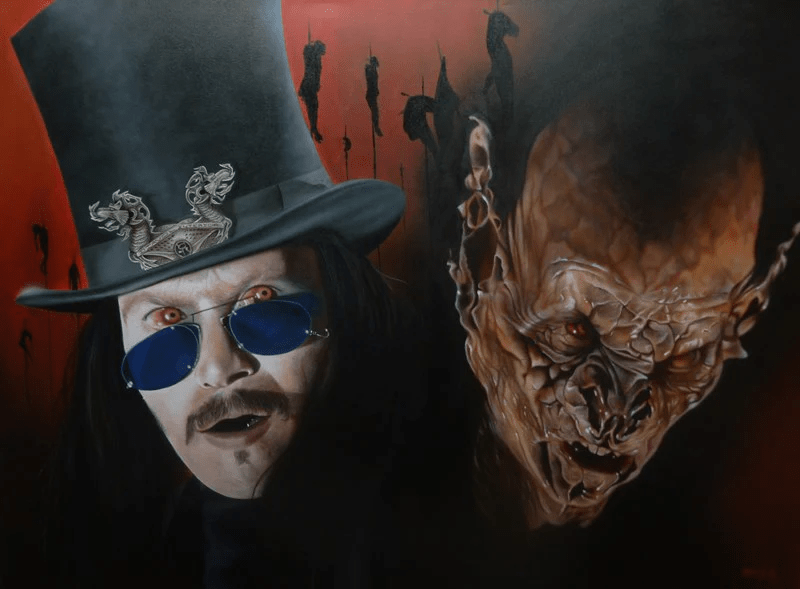
Regardless the evidence all points to one undeniable fact: Dracula is immortal. Could we possibly see a film adaptation of Powers of Darkness? Perhaps. Would audiences be open to seeing a brand new take on such a classic tale of blood and passion? That remains to be seen.
Personally, I like to lean on the original Dracula I grew up reading and originally fell enthralled with. That is not a criticism towards the Powers of Darkness either because I deeply enjoyed the journey it provided me as a Dracula fanatic. Being a lifelong fan of Bram Stoker’s horror masterpiece I can sincerely say PoD enriched my passion for the character.
So my final thoughts here are yes, it’s a must-read for fans of gothic horror. I cannot stress that enough. I also believe Bram Stoker wrote both versions. Just that fact the Stoker estate is behind it has me convinced and anyone familiar with the legal debacle that surrounded the release of the silent-film gargantuan masterpiece Nosferatu and the fit the Stoker estate threw over its release will know how big of a deal that is.
It’s been a tradition now for me to offer up book recommendations for Halloween time. It should go without saying that this is a must-read for anyone who loves horror, but especially gothic horror. Discover the lost mysteries of Dracula for yourself.
Manic out!
