All posts by Manic Exorcism

There is a method to my madness. I've just not figured out what it is yet.

The Resurrection of Godzilla – ‘Godzilla 1985’ And Its Triumphant Impact!

In my humble lifetime, I’ve watched Godzilla rise from obscure campiness confined only to the most niche corners of geekdom to all-out and absolute imperial sovereignty. No longer is he restrained by critiques for bad dubbing nor is he looked down on for rubber suits or string-pulled modeled fighter jets. Nothing is wrong with any of those things; they still hold a marvelous charm and irresistible fun. However, and if we’re being honest, the G-fandom’s always-known Godzilla (and his compatriot Kaiju) always deserved to be much more respected.

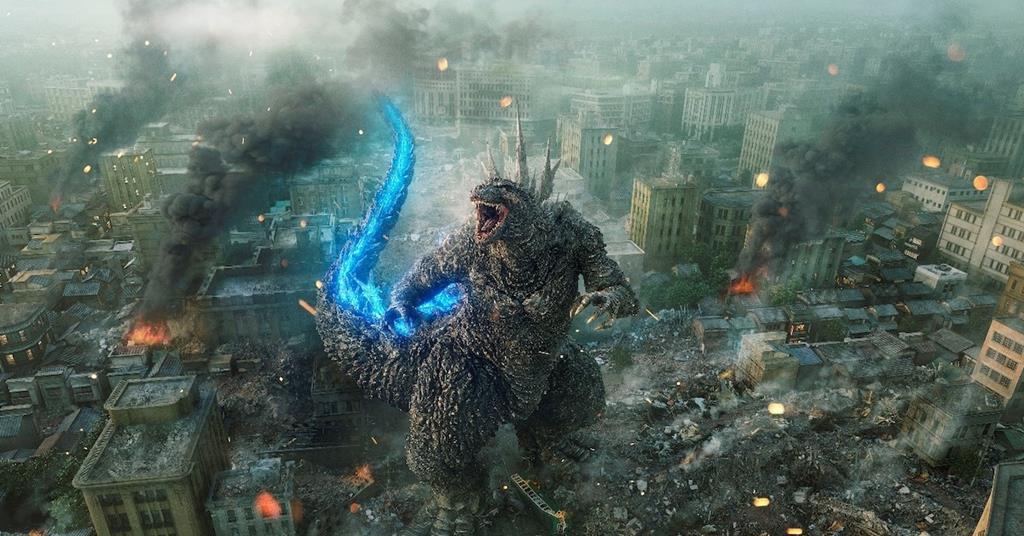
It is undeniable that we are currently living in an era where the King of the Monsters, Godzilla, has transcended the skepticism and thoughtless critiques that once surrounded him, and has now become a source of awe, terror, and wonder for the masses. The recently released movie, Godzilla: Minus One, provides clear evidence of the undeniable presence and power Godzilla holds over us all.

Godzilla: Minus One

Not too long ago, being a fan of Godzilla came with a harsh stigma. I remember being made fun of at school for talking about the few Godzilla films I owned. At the time, Godzilla was exceedingly rare and people thought there was something wrong with you if you were a fan. That scarcity meant that many people weren’t aware of what they were missing out on, and it was easier to mock the thing rather than discover how amazing it could actually be. Even my art teacher in 2nd grade made fun of me for choosing to draw Godzilla as a project.

It was extremely difficult to find any Godzilla movie at a store during those dark days, so owning any of them was considered a big deal. K-Mart sometimes had one or two, but it was a matter of some fucking luck to find any. Once in a while, you could catch one on TV and record it. That’s how I got hold of Godzilla vs King Kong and Godzilla vs Megalon. But to own officially released movies? Get out of here. So imagine my surprise one fateful Christmas when Santa left me a shoebox under the tree filled with four (motherfucking FOUR) Godzilla movies! It made me feel rich beyond measure and gave me major bragging rights. We would borrow the movies around at school and with cousins and they were watched to ever-fucking death! My copy of Godzilla vs Mechagodzilla still holds up though.

How Things Have Changed

I went to FYE a few months ago and walked out with a Godzilla energy drink, a sexy as Hell Godzilla shirt (the very one I wore to see G:MO last night), and a Mothra chocolate bar. The store has dedicated an entire section to the King of the Monsters himself. They also had a Godzilla welcome mat I’m gonna have to get soon. 

Not to mention how NECA Toys released just about any version of Godzilla you can think of. There’s even a crazy NES version of the character you can now display proudly on your shelf. I wonder how many people even played that game. It, the game, was another Christmas present one year and despite the Angry Nerd’s verdict I remember always liking it.

That’s not to discredit S.H. Monsterarts and Super 7 who both are releasing amazingly detailed Godzilla figures of their own.

The Criterion Collection released the entire Showa Era on Blu-ray and even though the collection is in a binder that’s too goddamn fucking tall for its own good at least they’re available right? All this is to say Godzilla is every! He can be found at your local Target, Barnes & Noble, and mall. I mean come on, can find the cutest mother fucking plushies of Godzilla, Mothra, and Ghidorah.

Our cup runneth over, friends. My ten-year-old self would be losing his mind over this kind of shit. I mean seriously, Godzilla reigns! 
Godzilla: Minus One

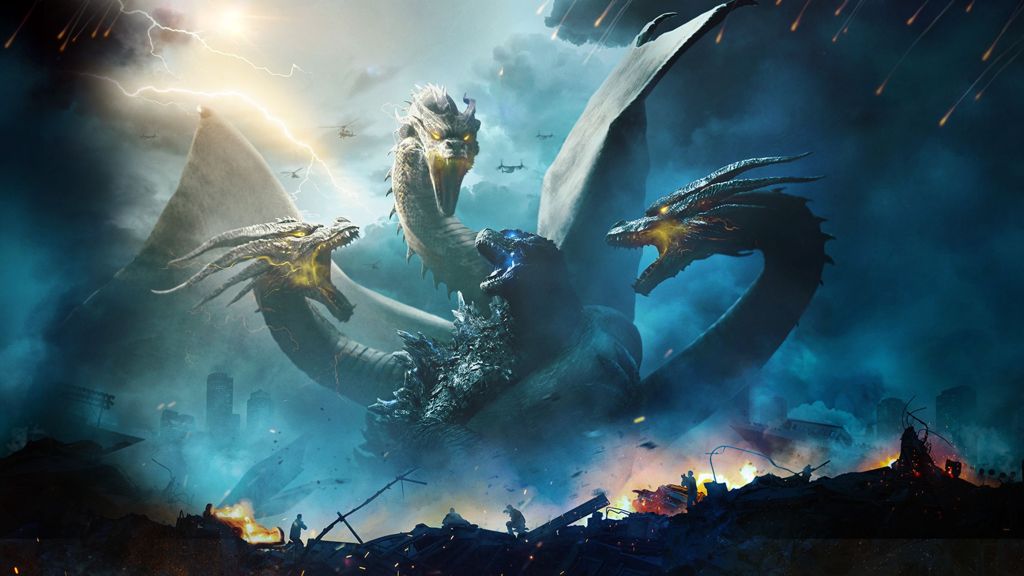
Legendary’s big-budget film (Godzilla: King of the Monsters) brought us one epic showdown between Godzilla and Ghidorah, and I was absolutely blown away. As a kid, I always knew Godzilla movies had the potential to be big, bold, and larger than life, and this film delivered on all fronts. I couldn’t believe my eyes.
Godzilla: King of the Monsters

But that’s not all. A brand new Toho-produced (!!!) Godzilla movie opened this weekend. The studio that blessed us all with the Beast himself is back at doing what they’ve always done best. Word is it’s nominated for best picture too. A fact I’m not surprised by because I always knew these movies, if only done right, could reach this level of magnitude. After seeing the movie for myself I can’t stop thinking of the images given to me. It’s the best, the absolute best, Godzilla has ever been since the original film.

Godzilla’s gone above and beyond to solidify his titanic place in pop culture and is going nowhere. He’s here to stay.
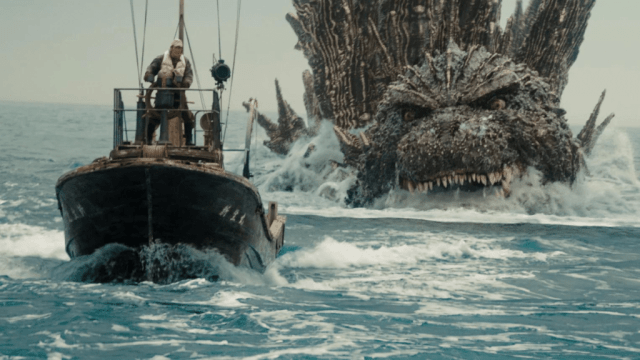
Godzilla: Minus One

So despite Godzilla’s current popularity, it is hard to imagine that the franchise was once discontinued and thought to be dead. In 1975, Toho released what was meant to be the absolute final movie and then pulled the plug on the series with no indication of ever bringing the iconic monster back to the big screen. By popular opinion, Godzilla had run his course and was done.

At that time, Toho was competing with the Gamera films, which had gained massive popularity among younger audiences.
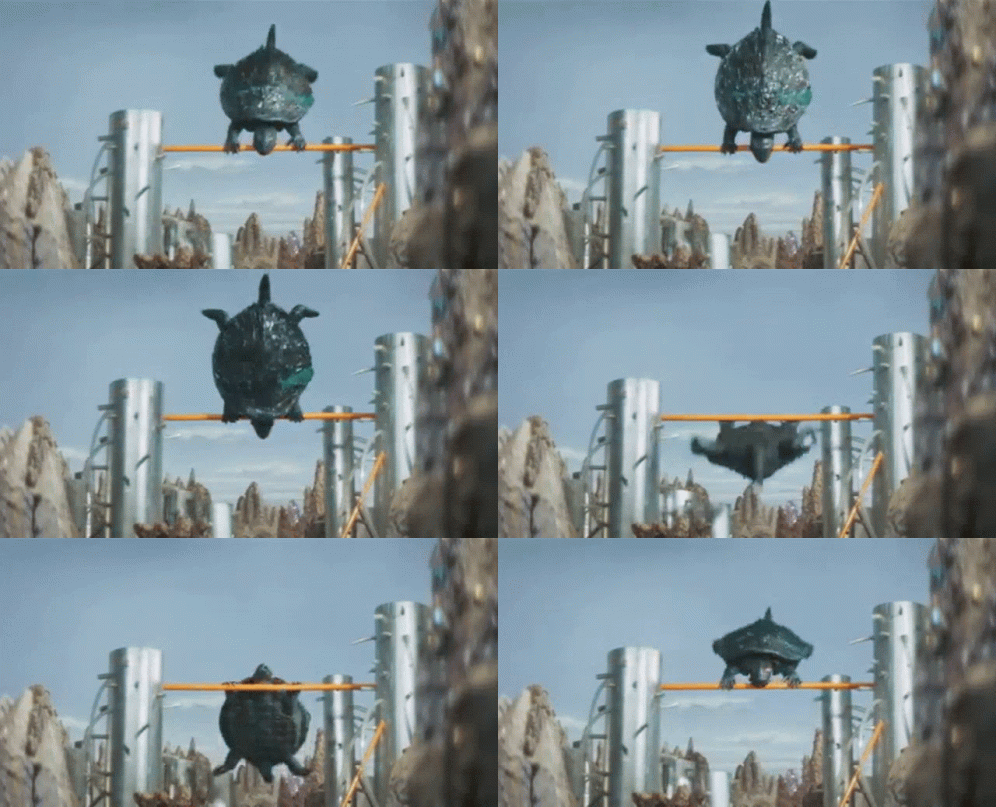
Gamera

In response, Toho transformed Godzilla from a terrifying monster to a more child-friendly character. This new version of Godzilla was focused on teaching brats important values such as how to deal with bullies and the significance of recycling. Yeah, that’ll stick it to that flying turtle! Godzilla cleans up litter.

The character’s popularity was not decreasing, even though the campy and clownish tone of the story was becoming stale. The studio made the wise decision to take a break to allow their creative juices to flow again, as it seemed as if they had run out of ideas. This turned out to be the best decision Toho ever made, because what came next set the world on fire!

It seems like someone out there still remembered the original idea behind Godzilla. He was meant to be a symbol of man’s reckless misuse of atomic power, a force that could not be destroyed. He represented the dawn of a new era, an age defined by the eerie blue glow of atomic energy and all the terrifying consequences it brought with it. Godzilla was the ultimate monster of this brave new world, a horrific beast born from the ashes of human folly.

The Return of Godzilla (1984)

By God, it was time to bring Godzilla back and place him at the heart of the modern world’s current crises, that being the Cold War. The world stood breathlessly on the teetering brink of absolute annihilation as tensions mounted between the East and the West. The only thing anyone could think of at the time was The Bomb. How one small and insignificant mishap could spell the unconditional doom of all mankind. We stood in the shadow of the eleventh hour and many people were counting down the days till the inevitable happened. Possibly it was thanks to this apocalyptic atmosphere that helped restore Godzilla back to his terrifying roots. 

In 1985, Godzilla was resurrected and brought back to the big screen, smashing its way into cinemas and capturing people’s attention. For the first time in my lifetime, a Godzilla movie was released theatrically, and it was this event that truly put the franchise on the map.

In this installment, Godzilla was stripped of his campy and comedic nature. This marked the beginning of a new era of films, which is also my personal favorite, the Hessei Era. And Toho wasn’t fucking around with this one. Godzilla was no longer the friendly creature we last saw. As soon as he emerges from a remote island, he begins wreaking havoc and destruction, leaving a trail of chaos and death in his wake.
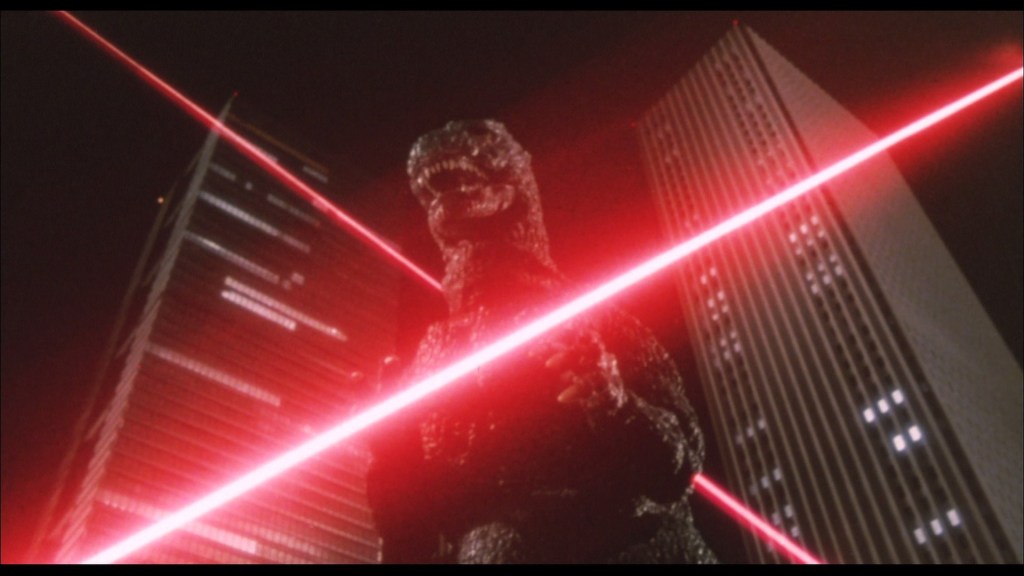
It goes without saying they chose a far darker tone that reflected the signs of the times. Viewers are first met with an emotionally charged and brooding score as the film opens setting up the whole feel for what’s awaiting us all. The atmosphere is heavy and threatening as the world of Godzilla 1985 appears to be locked in perpetual night. As far as Godzilla himself the iconic suit gets a massive upgrade in appearance. The big guy had never looked better, not since the original Gojira. As the first in a new saga 1985 got it right and right away too.
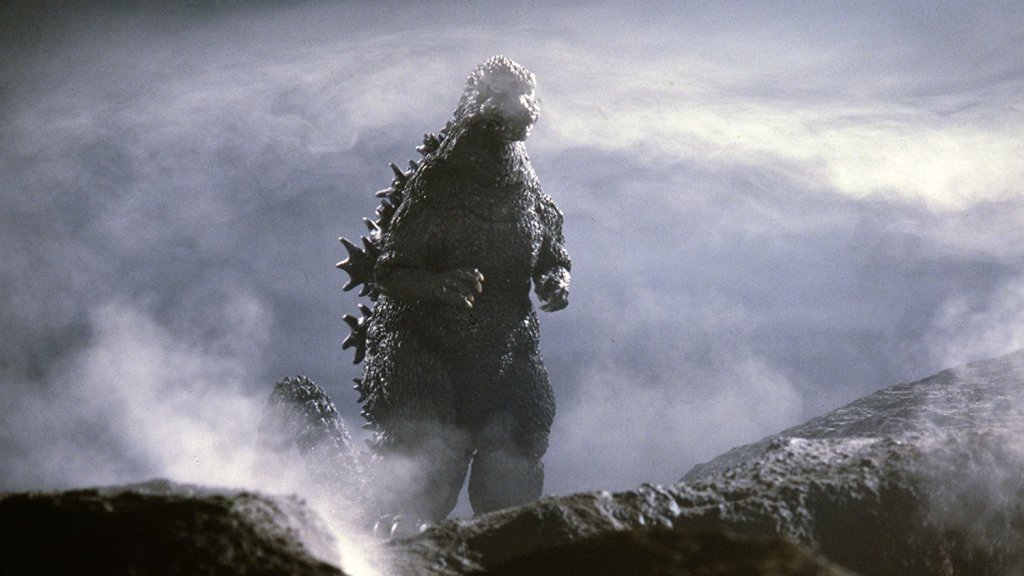
The movie, known as The Return of Godzilla in Japan, was released there a year before its Western release. It was considered a true sequel to the original movie, as Toho chose to disregard all the other movies that came after Gojira. A trend that’s no become common among movies released then on.

Godzilla immediately attacks a Soviet nuclear submarine, triggering a chain of events that further fuels the aggression of the Cold War. Ironically, it was the development of nuclear weapons that gave rise to Godzilla, yet these same weapons continue to be the primary means by which humanity seeks to destroy itself. Godzilla emerges from the earth like a mushroom cloud, laying waste to everything in its path. He is both the harbinger of the apocalypse and a symbol of Armageddon.

The movie explores the dilemma of whether to rely on nuclear weapons to destroy Godzilla or to keep them as far away as possible. The idea of using Godzilla’s own source of power against him is about as brilliant as punching yourself in the nuts to forget about your headache, but it puts the Japanese Prime Minister in a terrible predicament. Both the USA and the USSR urge him to use nuclear weapons to take down the monster, making his decision a difficult one. I”d hate to have his job the lousy fuck.
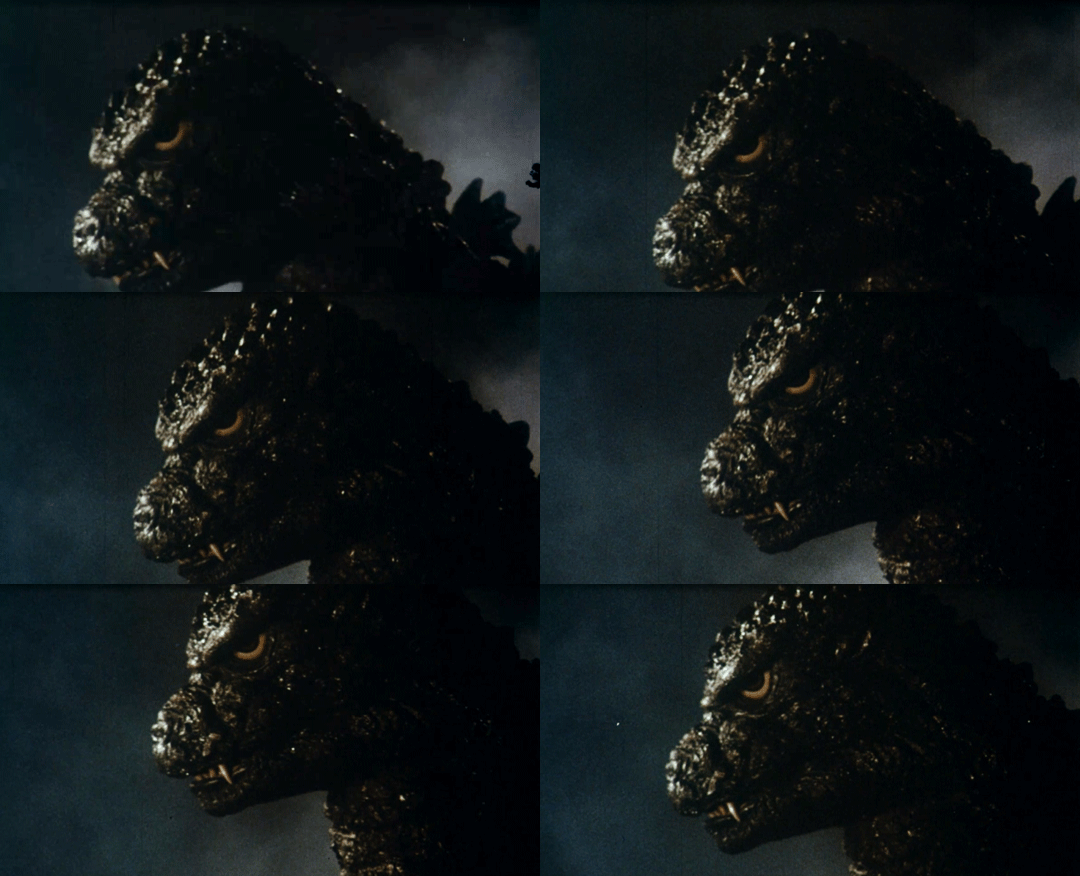
The film is far from perfect but it gets the job done. A common complaint is how it runs slow at times. I recently watched the original Japanese version of the film and, just like how the original Japanese release of Gojira is superior to the Western counterpart, this proved to be a much better experience. The Western version of 1985 has American scenes shoehorned in to (I guess) appeal to American moviegoers. These scenes add little to the plot and are jarring in terms of runtime. The original film, The Return of Godzilla, flows much better and doesn’t feel overly drawn out while it plays out the plot.
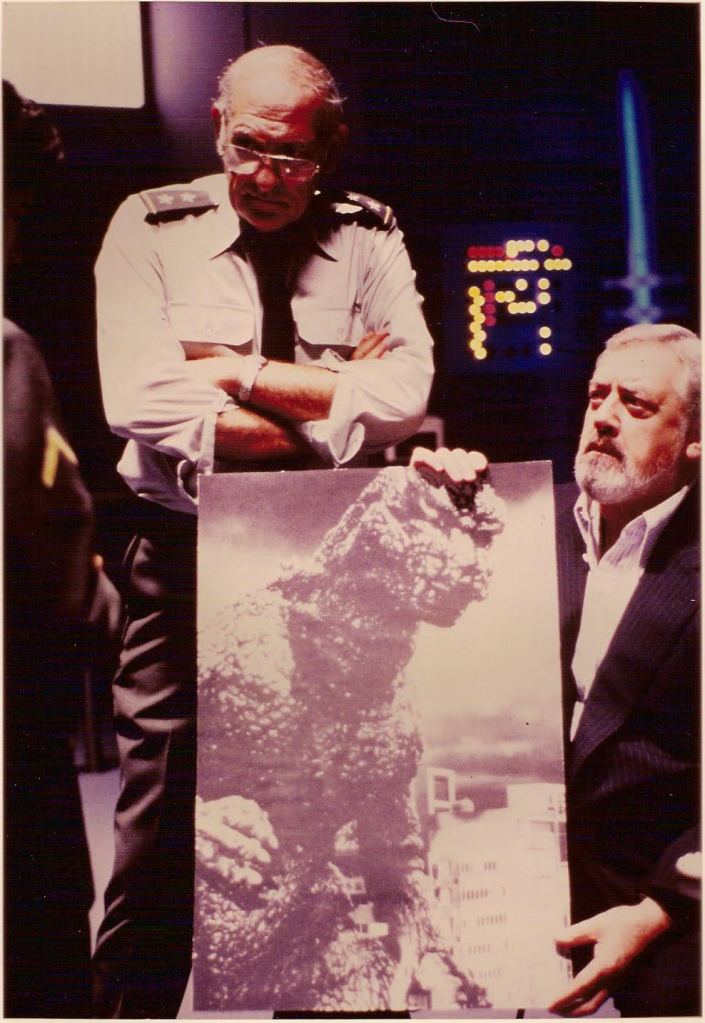
To Western fans, it might be nice to see Raymond Burr back reprising the role he had in Gojira. That’s a nice touch that adds some continuity to the story and makes it feel connected to the first movie. But I didn’t miss seeing his scenes when I watched the Japanese cut. It’s a matter of preference.
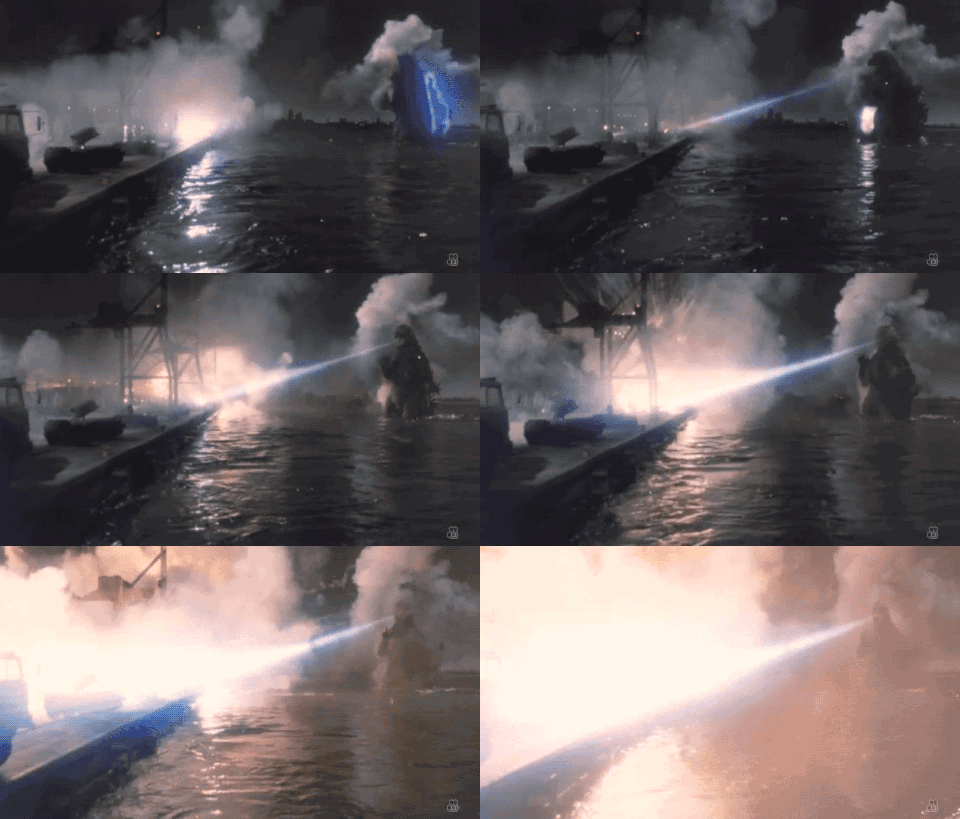
For the time this was my favorite Godzilla movie and remained so for a long, long time. I wasn’t aware Toho was making other Godzilla movies that followed the events of 1985. When Godzilla falls into the volcano at the end of the movie I cried. I was a little kid and Godzilla was my hero. He couldn’t die! And the end of the movie felt so final. Do I dare say it was operatic? I don’t know, but I know it played my emotions too well. 
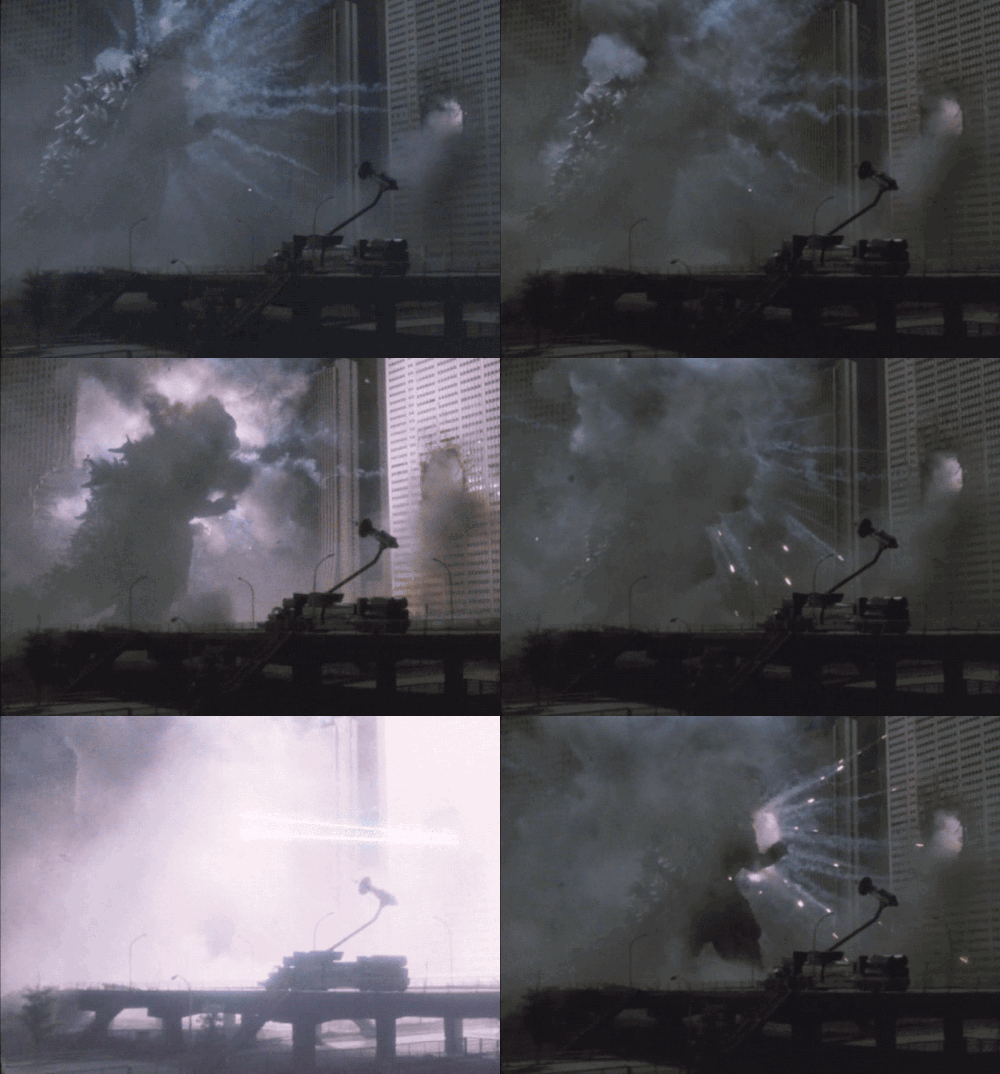
Another change I noticed in the Japanese cut – they know Godzilla cannot be destroyed. They lure him to that volcano at the end in hopes of burying him deep, deep into the earth’s core where he will be far removed from the surface world. The idea didn’t work because like I said there were plenty of movies to follow it.

Looking back, it’s clear that Godzilla’s resurgence can be traced back to 1985. The movie was a huge success and paved the way for the popularity that Godzilla now enjoys. It’s hard to say if we would have gotten the Legendary films if it weren’t for 1985. Would Toho have taken the risk to invest in more Kaiju films if 1985 hadn’t worked?

Although not perfect, Godzilla 1985 is a powerful film that demonstrates the enduring appeal of the King of the Monsters. It had a significant influence on many children in my generation, who grew up with the knowledge that Godzilla could not be defeated. They knew that the King of the Monsters would always return, time and time again.
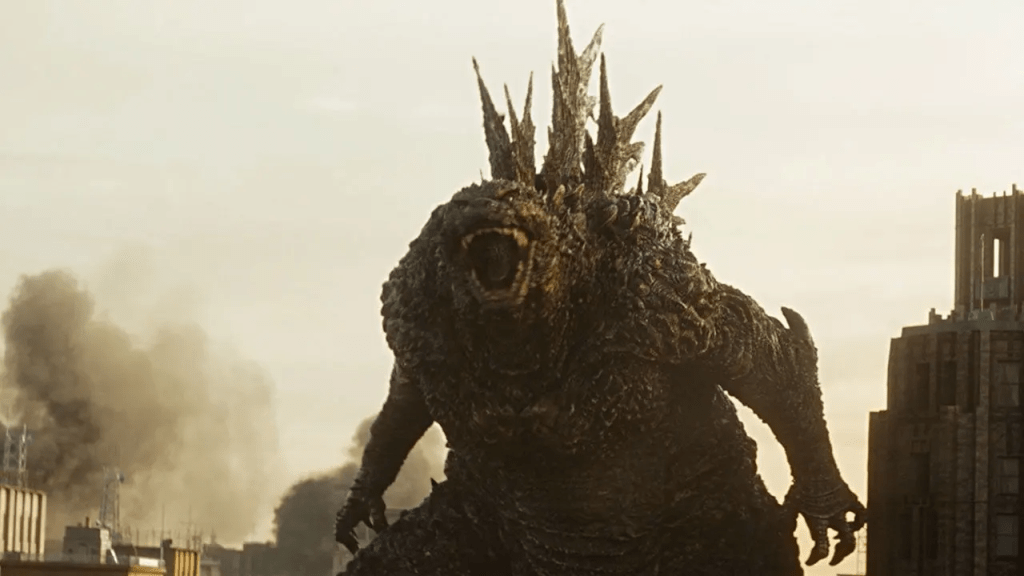
Now I’m going to go see Godzilla: Minus One as many times as I can! You all take care, happy holidays and…

LONG LIVE THE KING! 

Manic out! 
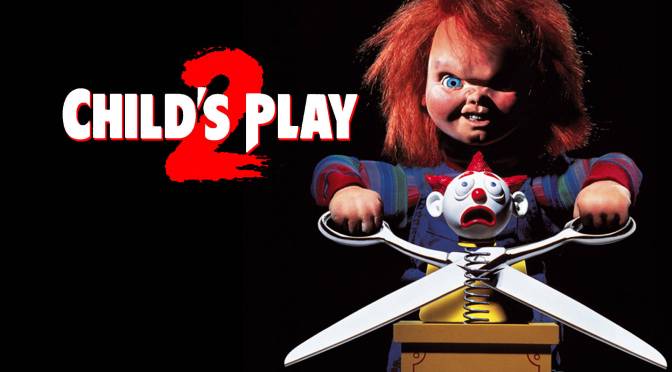
The ‘Child’s Play 2’ Trailer Was Out Of This World! 

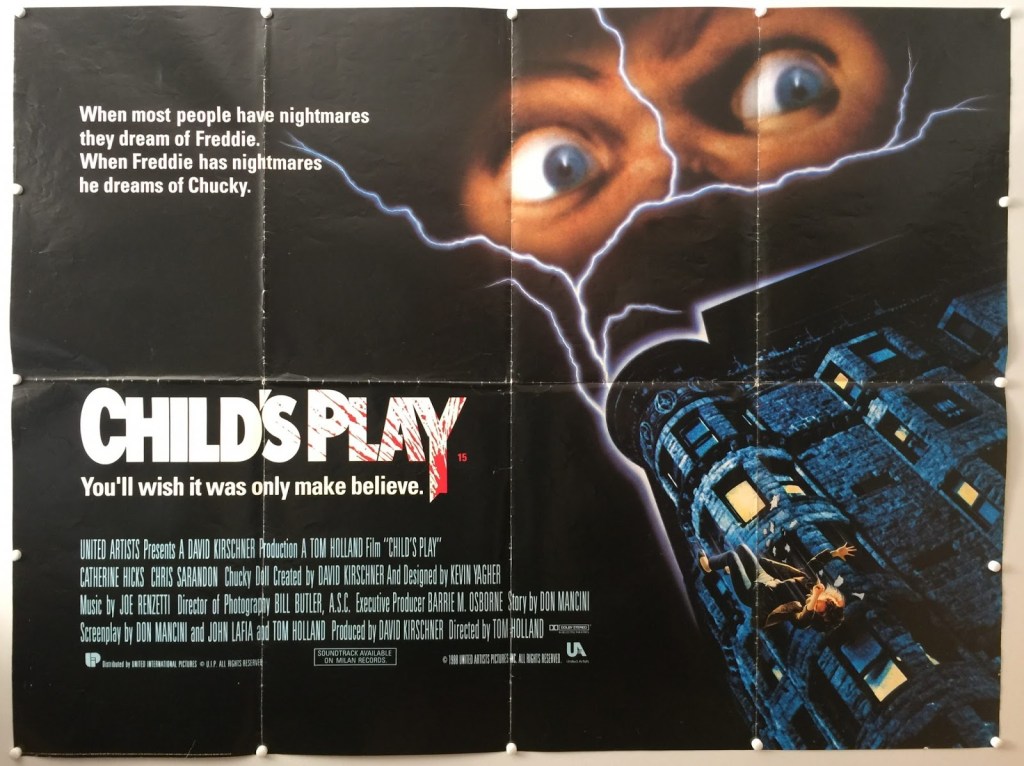
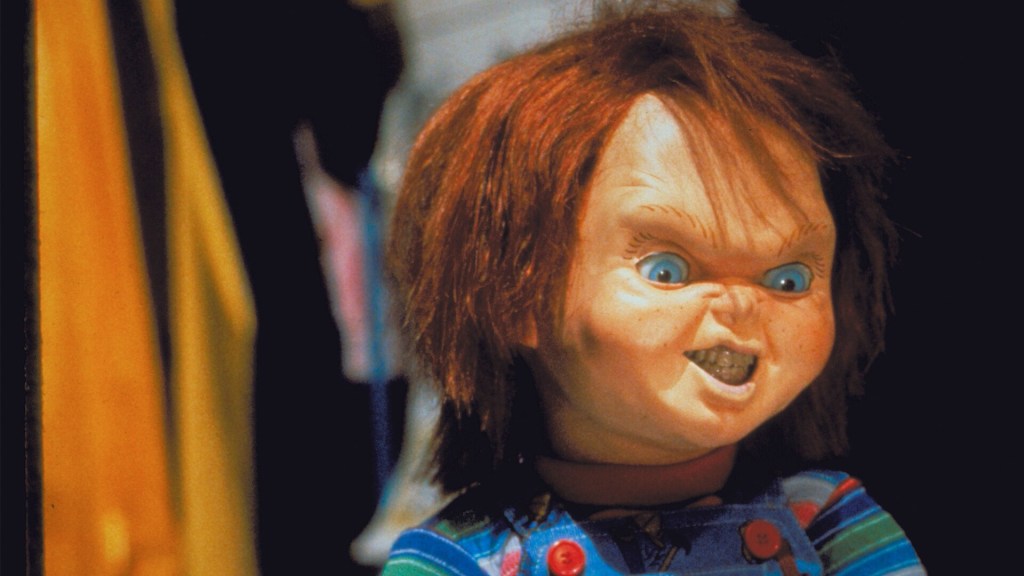
Sometimes watching a good horror teaser can be as much fun as watching the actual movie. Trailers give us a sneak peek into the dark realm awaiting us once the theater lights dim and the movie starts to roll. I’ve always found them to be a lot of fun and whenever a horror trailer was released we all quickly learned to pay attention. Back then trailers didn’t spoil the movie by showing the whole damn thing. Instead only showed enough to give us a ravenous need to go see what they were advertising. Child’s Play 2 did this in spades!

With the tagline ‘Sorry Jack, Chucky’s back’ our tickets were as good as already bought!

REWIND THE CLOCK

Child’s Play was a huge hit upon its release and scared the bejeezus out of us bratty little kids. We were at that tender age when playing with toys was a sacred pastime. Saturday mornings were entirely dedicated to brainwashing us into rushing out and buying the newest and best thing to fill the toy box.

I mean these were the days when grown-ass men and women broke out into literal fistfights while in line at K-Mart over Cabbage Patch Kids of all things. Toys were a red hot topic and even our parents were getting in on the insanity. 

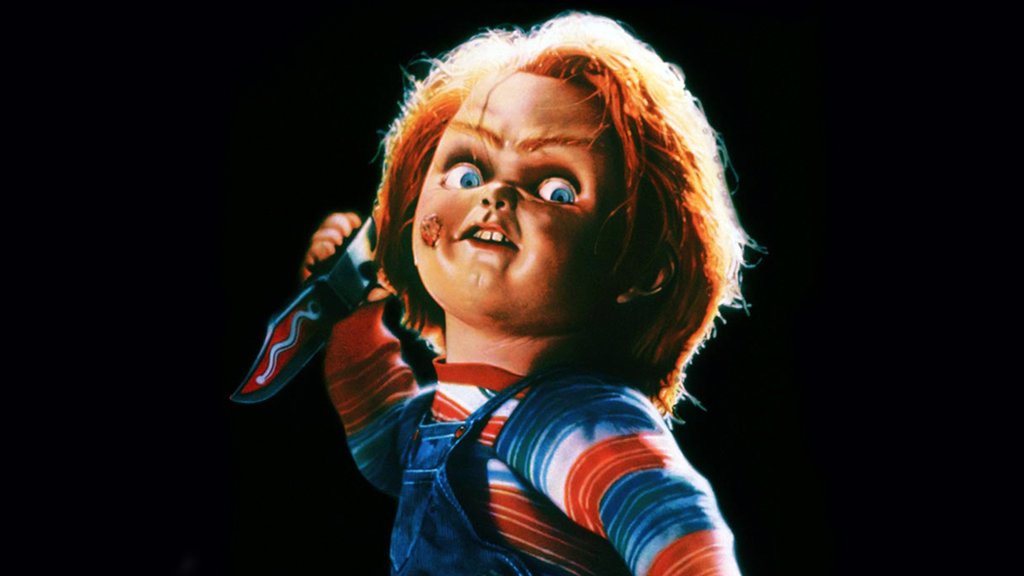
So, gliding a razor’s edge across our societal vein, a little movie about a doll named Chucky (a cleaver resemblance to the famous My Buddy doll was not coincidental) hit theaters with ferocity, and if the idea of a killer doll wasn’t already a subconscious fear malignantly growing in the back of our cultural mind once Child’s Play released it was a full-blown phobia. 

No, Chucky was not the first killer doll to darken our minds. Stuart Gordon’s malicious Dolls had already come out and scared people silly. Not to mention years prior little Talky Tina scared people out of their skin thanks to the Twilight Zone.

But all the chills these guys introduced to the cultural zeitgeist Chucky took to a whole new level. And his infamy lives on today proving what a demonic powerhouse of a monster the little guy has always been.

The idea of a killer doll was amped up on some serious coke thanks to Child’s Play so to introduce its inevitable sequel the marketing team put together one of my absolute favorite little horror trailers of all time. Those psychopathic bastards took a Jack-in-the-Box, something that plays on the fears of a lot of people already, and then showed it being crushed beneath Chucky’s feet. The killer doll was back and was carving out a bloody franchise for himself. He wasn’t playing around this time.

Today Chucky is as recognizable as his bigger brothers like Jason, Freddy, and Leatherface, and has left a landslide of creative carnage across his macabre legacy. Chucky is celebrated for his wit, humor, and that pure love for murder that drives him. He’s become a husband, a father, and overall terrible influence and downright satanic pain in the ass to all who encounter him.

Naturally, we love him for it. It’s also worth noting Spirit Halloween is selling the Jack featured in the trailer. That’s the impact Child’s Play 2 had on us. What a time to be alive!

Relive the thrills of seeing Child's Play 2 in this beloved teaser from the past

There’s no better time than the spooky Halloween season to relive the thrills and chills invested in this psychopathic little guy. So turn down the lights and cuddle up close to the ghoul of your dreams because the fun is about to begin!

The Powers of Darkness – Has The Lost Version of Dracula Been Unearthed?

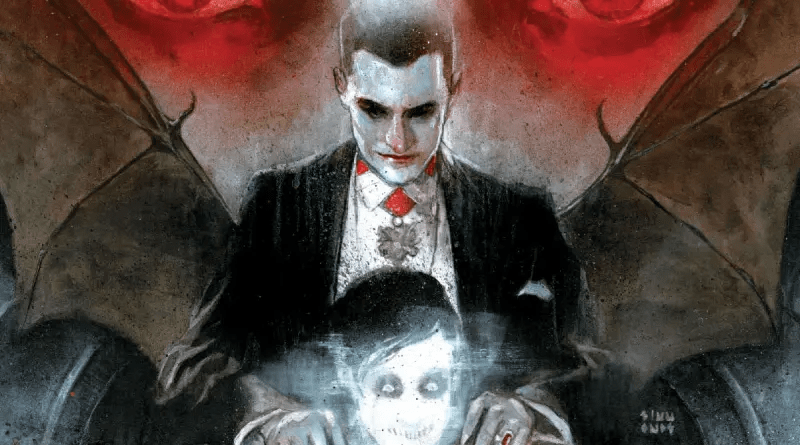
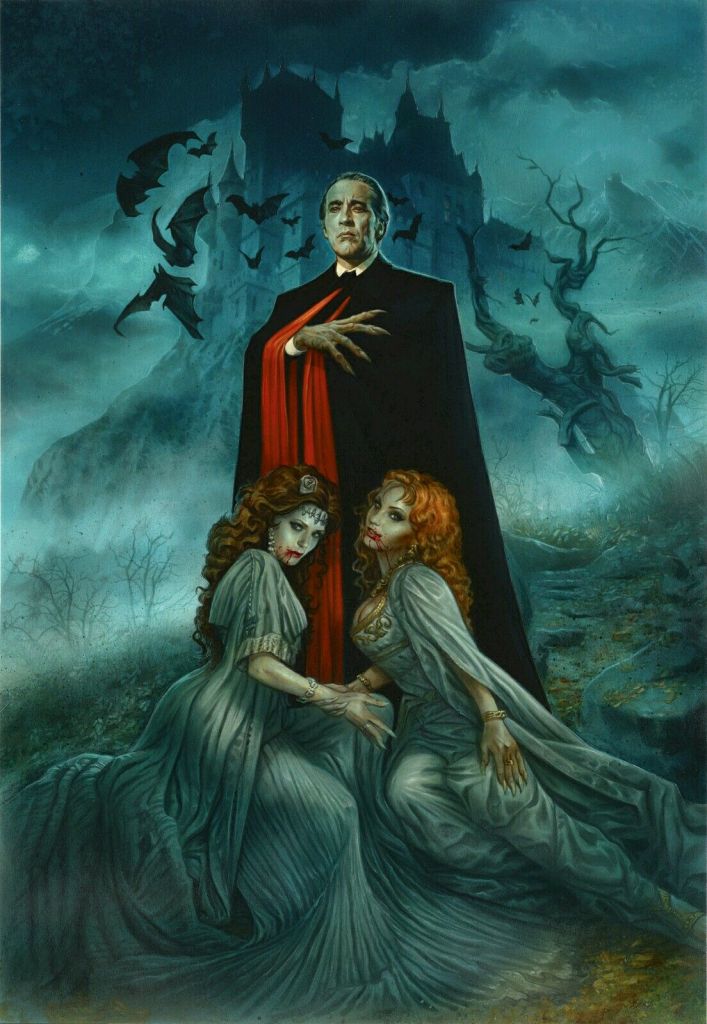
Even among the most iconic denizens of horror, he stands out as a colossal figure bowing to none and ruling over all others. He is the Son of the Devil, accursed of God, and Father of Plagues. The mention of his name conjures forth images of tall ruins and battlements, of permanent night and a castle haunted by nocturnal demons. A kingdom looming over fog-laden graveyards and midnight towers rising to scratch the silver frost of crescent moons. His presence haunts the Carpathian mountainside and his shadow far spreads across the villages of Transylvania, chilling the blood with ultimate terror. His legend is renowned and his history evermore draws out the mystics to return once more to the land of vampires where he sits enthroned among the ghouls. He is Dracula!

The Imperial Legacy of Dracula

Transylvanian nights, autumn-shaded fields, greying woods of barren trees haunted by werewolves, and, most of all, deep crypts beneath the demon castle where the undead slumber restlessly in an anguish of eternal thirst. 

These are merely a handful of examples Dracula inspires within us. A devil, a king, and a tyrant. A vampire and a lover. The romantic and the fanatic, a man and a beast in one combined by howling passions and restless obsessions. 

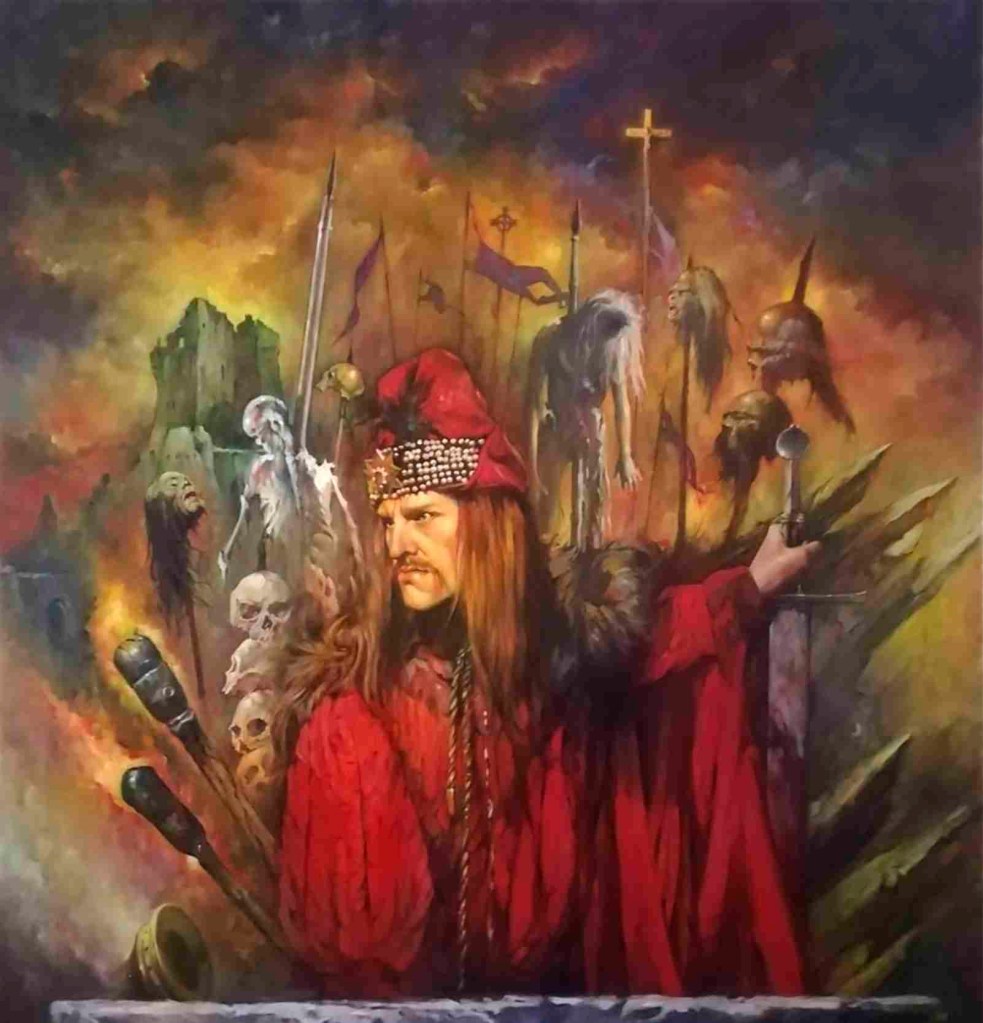
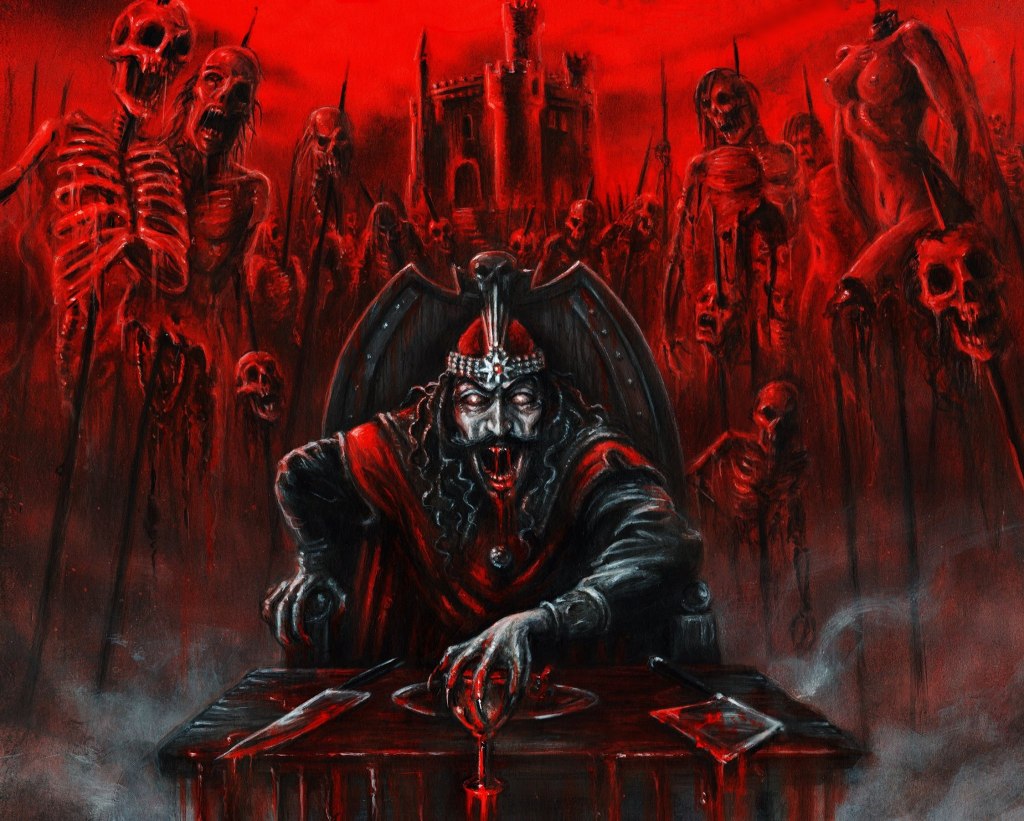
In every imaginable form, Dracula has mystified people around the world. History knows him as a blood-crazed warlord whose carnage saved his beloved Wallachia from invaders. The hillsides ran red with the blood of his enemies who hung between heaven and earth from the crude poles Vlad Tepes impaled them upon. Grizzly decorations to demonstrate his ruthless majesty and unwavering malice. He would feast beneath the agony of their slow death even though the air ran putrid with the black stench of human rot and cadaverous decay.

Among his various accounts, it was noted that Vlad was seen dipping his bread in a pool of blood and feasting thus solidifying the rumors of his vampiric legend even further. To this day the inhabitants of Romania hail Dracula as a national hero and do not view him as the monster he’s universally perceived as.

In literature, you’ll find no vampire any more recognizable or beloved than him. He’s not only dominated the bustling theater stage but has likewise wrapped his gossamer wings around movie-going audiences and holds generations enthralled by his mystique.

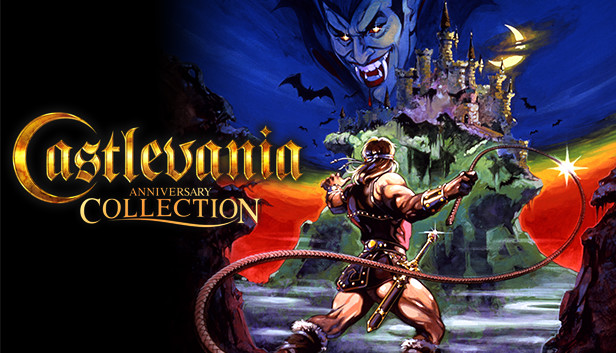
Even videogames get in on the power of Dracula’s immortal darkness and reap the rewards. 

Through him, we recognize the darker aspect of our own nature. Those hidden longings and buried desires we all keep unseen by the light of day. Our thirsts and insatiable cravings that would otherwise wash us away in a tidal flood if not for the restraint of a good and proper conscience. Dracula, on the other hand, is unrestrained, and perhaps, in loving him, a silent exorcism of our own shadowy demons is at play. As the Prince of Darkness, he draws out the blackness of our souls and embodies our bestial aspects of nature so that we may go on with living in the sunshine. Oh yes, he is evil but is a necessary evil.

Perhaps for this very reason, scholars return back to his crypt year after year in hopes of some future discoveries remaining sealed away among the nocturnal mysteries of his haunted castle. And, as a matter of point, what a great discovery has been made concerning the legend of our beloved Count Dracula! 

The Half Has Not Been Told – The Powers of Darkness! 

Dracula’s legendarium is universally known by now, an achievement seldom ever accomplished and worthy of celebration. The Count rising from his grave to feed off human blood; the bats, the wolves, the castle, and stakes through the heart all come from association with Dracula’s immortal tale.

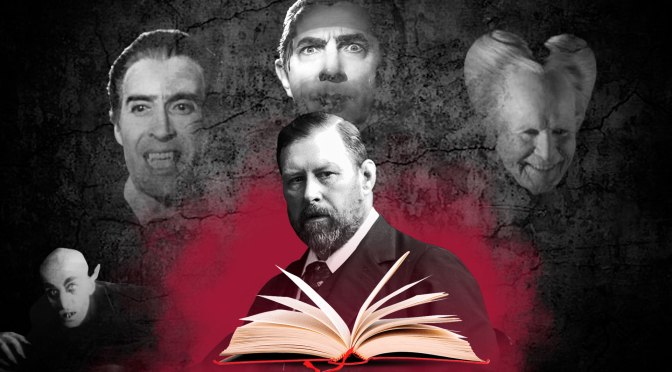
Ask children to draw a vampire they’ll draw you a figure with fangs and draped in a black cape. That’s Dracula. Ask anyone what a vampire turns into and they’ll say. ‘a bat.’ Again, that’s from Bram Stoker. Dracula isn’t just a vampire to the world. He is the vampire to us, the very quintessential embodiment of everything a vampire is expected to be. That is how well-established Dracula is.

He is a global phenomenon. 

Nevertheless, as readily recognizable as the beloved Count is, and as one renowned Dracula scholar discovered, there may in fact be far more to this beloved vampire’s saga than we first thought possible. Could there be a completely different Dracula that’s secretly been hiding among us for over a hundred years? If so how perfectly fitting of it.  

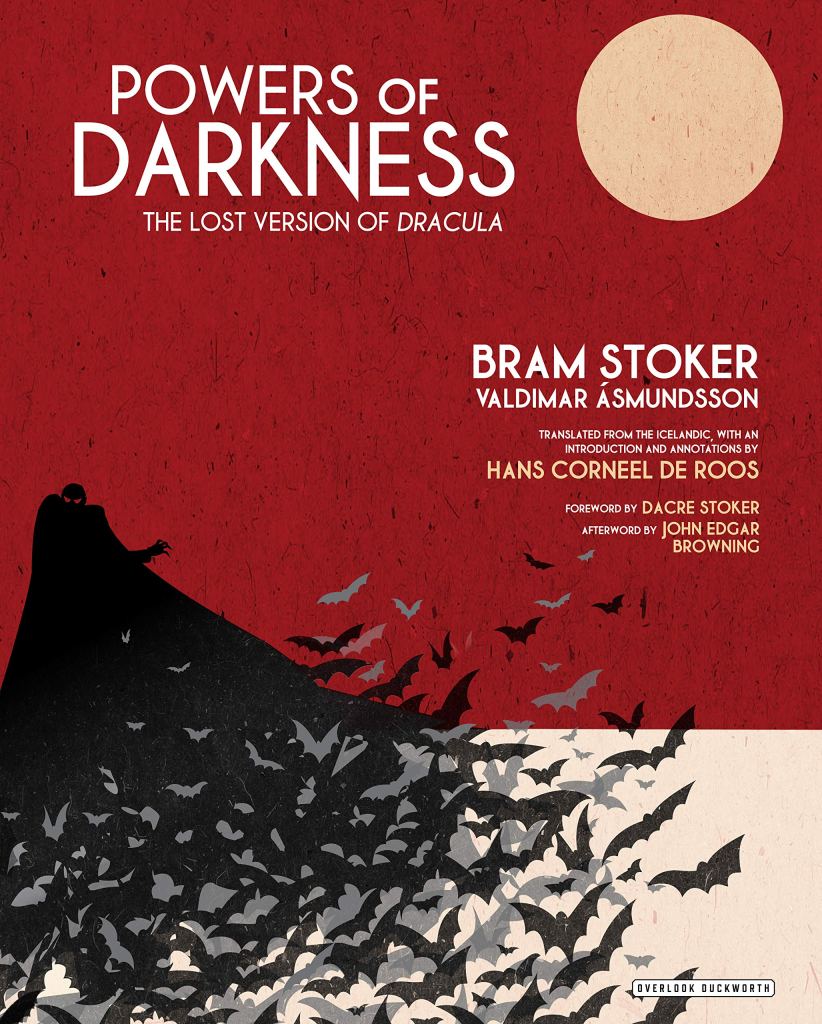
Enter the unusual Icelandic interpretation of Dracula AKA Powers of Darkness.

Much like how Dracula rises from the dead upon sundown this ‘lost’ edition rose up, perhaps at some astral appointed time, and unfurled its mystery at long last demanding recognition. This lost edition of Dracula was found in the Icelandic translation of Bram Stoker’s horror tale. At first, it was thought to be nothing more than an example of artistic freedom on behalf of the translation. It happens.

And yet, the more the Icelandic edition was studied the clearer it became this was not simply a bit of paraphrasing of the original, but this was in fact a genuinely different animal altogether. New characters, new chapters, and a new plotline awaited within.

When I first heard about this ‘lost’ version I thought maybe it would be similar to what happened with Universal’s Spanish Dracula. Both versions of the movie were filmed at the same time, the Lugosi version was shot during the day whereas the Spanish crew filmed at night. Though the movies follow the same plot many feel the Spanish version is technically superior to the Lugosi film. But the narrative doesn’t change much.

This isn’t the case between Dracula and Powers of Darkness.

Some of the glaring differences are as follows: 

I: The Powers of Darkness is not at all a gothic romance, a thing its counterpart is celebrated for. The original Bela Lugosi movie was called a story of the strangest passion the world has ever known! Decades later Francis Ford Coppola would reinvent the wheel with his passionate retelling of the vampire’s romantic tale with Bram Stoker’s Dracula.

By the time Coppola’s film was released the world was inundated with many, many different Dracula movies. Many earning cult status on their own merits. As a matter of fact, to this day Christopher Lee’s portrayal of Dracula stands as most people’s favorite thanks to the Hammer Horror take on the Count. But after so many movies about this Prince of Darkness, it seemed either stupid or bold to make another one.

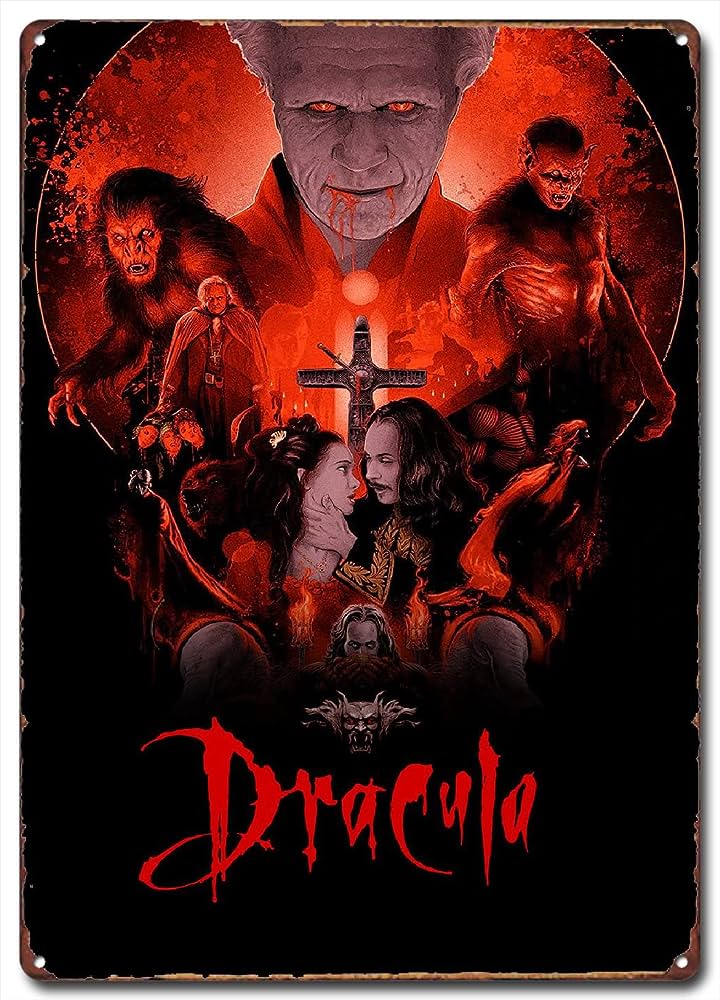
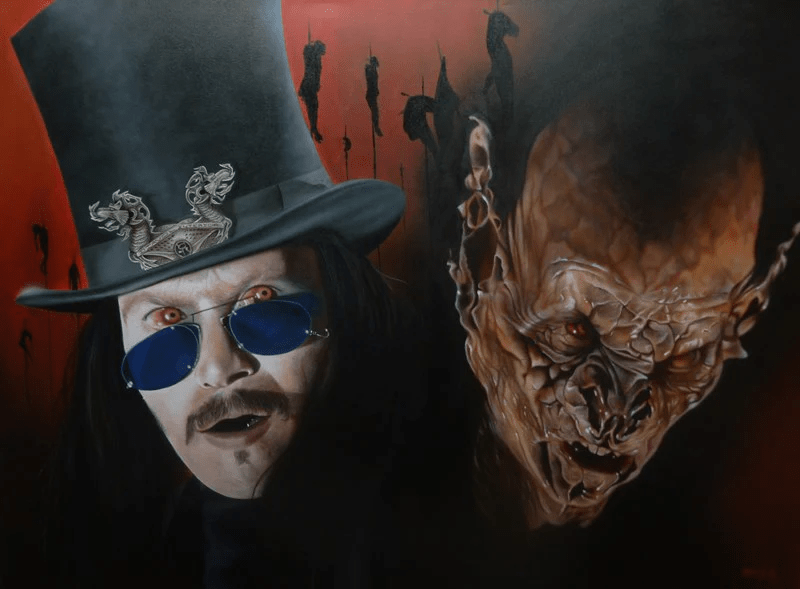
And yet, with nearly a hundred movies about Dracula already in circulation, this passion project hit theaters and stabbed at the heart of audiences all around the world, becoming an instant classic and inspiring a new generation of dark-minded individuals universally. It is not a 100% accurate adaptation by any means but it does stay closely to the vein of Stoker’s novel. Bram Stoker’s Dracula was a blockbuster sensation and Gary Oldman’s performance is chilling as well as tragic. The poster promises Love Never Dies, thus once more confirming the deeply rooted romance at the heart of Dracula

Well, The Powers of Darkness has none of that. Removing the romance from the story grants the narrative a more menacing scope. For example, in Bram Stoker’s recognized story Dracula travels to London and there falls in love with Mina. Dracula is after her heart. In Powers of Darkness, Dracula is not out to steal hearts but to conquer the world. His planned trip to London is far more ambitious. London, for the time, being the pinnacle of world power naturally causes the Count to turn his reddened eyes her way with a lust to rule and dominate. 

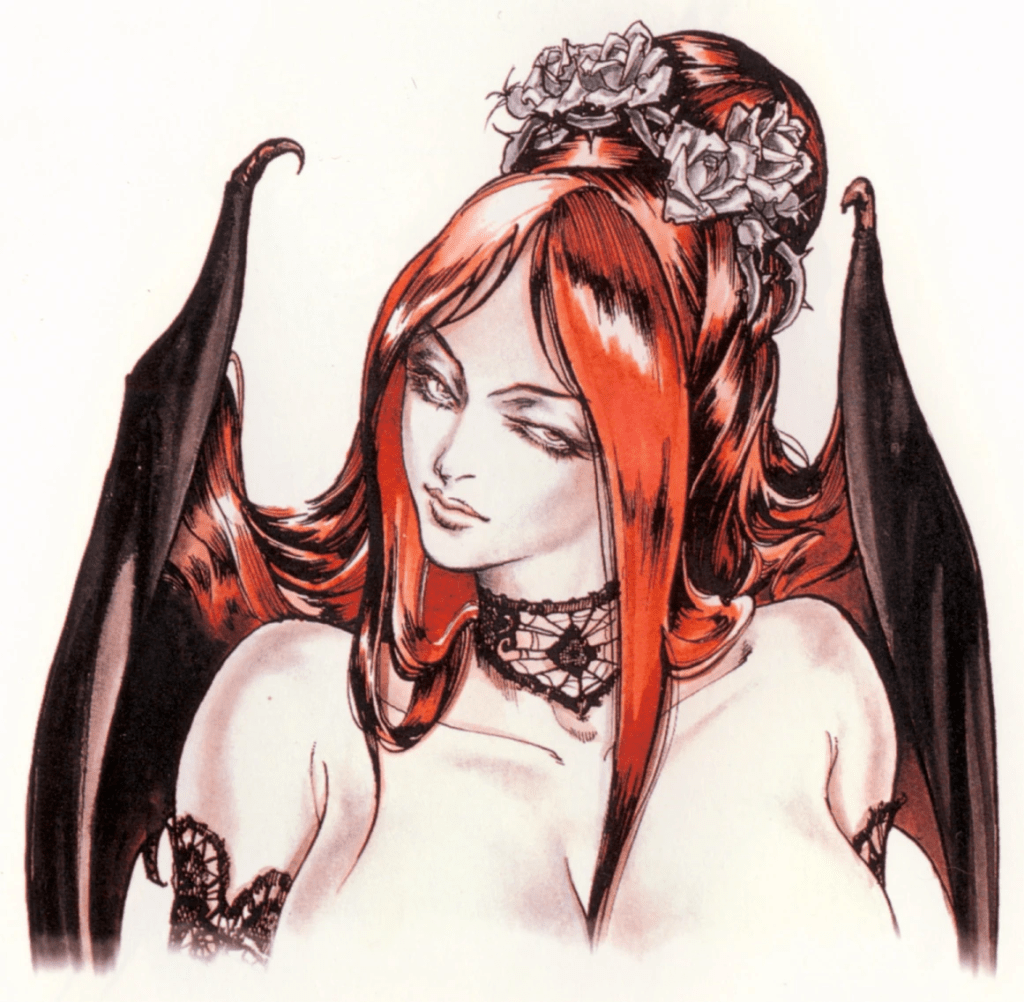
This version of Dracula thrills me for obvious reasons and I’m pretty sure my readers will know why. If you’ve been with us for very long and are accustomed to my writings you’ll know how much I absolutely love the Castlevania games. In Powers of Darkness, Dracula reminds me of the Dracula from that game series. An evil master of demons and Dark Lord of horror. He will engulf the world in his growing shadow and only the bravest can stand against him. 

I’m not saying PoD is an action story by any stretch of the imagination, but I will admit it is thrilling. 

II: Whereas the original novel takes place mostly in London The Powers of Darkness plays out mostly in the dark regions of Transylvania. And let’s be honest here. That’s way more interesting than London. When we think of Dracula he’s always in the top spires of his castle which is secured at the heart of Transylvania. Keeping the reader in the heart of vampire country allows for a much darker experience, one that is perfectly suited for Halloween which makes this edition the perfect new read come the witching season. 

III: Compared to the original version this one’s positively dripping with eroticism. The romance of Stoker’s original novel may be gone but in its place is a silky and sensual carnality on full display. Today it would be considered tame by modern audiences but for those picking up a copy upon its initial publication a hundred-some years ago, they had to have felt red around the collar. It would have been altogether too obscene for proper Londonites of the day.

This further pushes the argument that Bram Stoker was behind the Icelandic release. As a writer, he must have known how reviled his original version would be seen by the society he lived in. In fact, even the version of Dracula that got published was considered far too ‘dreadful’ by many of Stoker’s associates. The idea of having lustful beings who equally feed on human blood and are children of the Devil would have been too extreme for people to accept. So what is a writer to do? If it was me I would get both editions published in order for the dream to live on across the world. 

In Powers of Darkness, we don’t see pornography, of course not. It’s nothing of that degree, but young Mr. Harker’s mind is tortured by ungodly thoughts once he sees a mysterious beauty playfully about the halls of the castle. Her clothes are far more revealing than Mr. Harker has ever had the pleasure of seeing. Not to mention a full-on Satanic orgy is held beneath the castle. As I stated before proper English society would’ve been appalled.

IV: Character names are changed, and other characters are gone entirely. In Dracula, we follow Jonathan Harker into the mysteries of Transylvania where the Count awaits to greet him. Meanwhile, in Powers of Darkness, we follow Thomas Harker, the same character but different name.

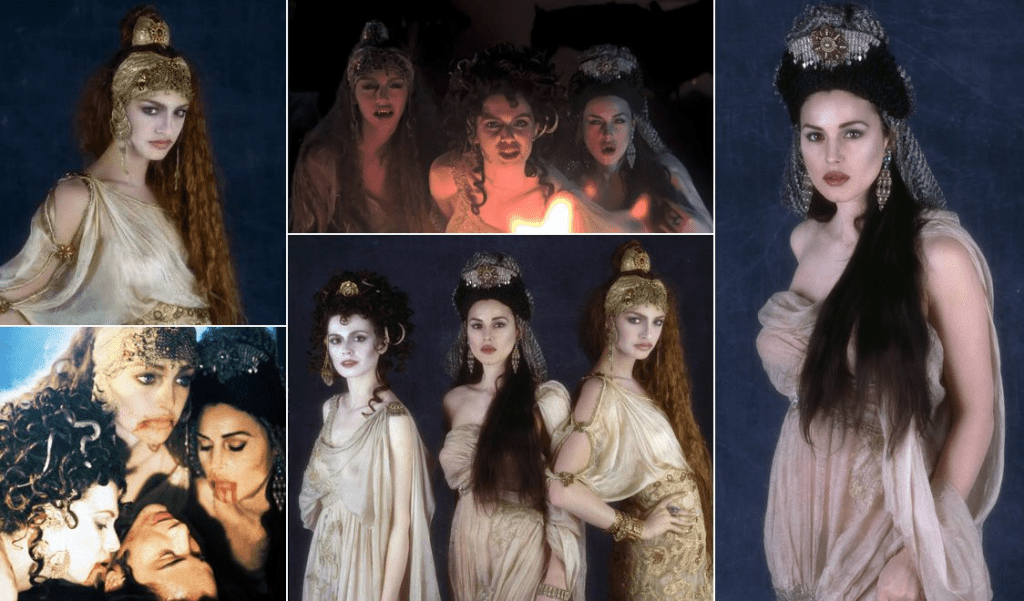
The three Brides are missing here. The Brides were always interesting to me and added to the dangers lurking about Castle Dracula. They were tragic and foreboding, a beautiful menace not to be taken lightly and never to be underestimated. Their omission here is sadly felt.

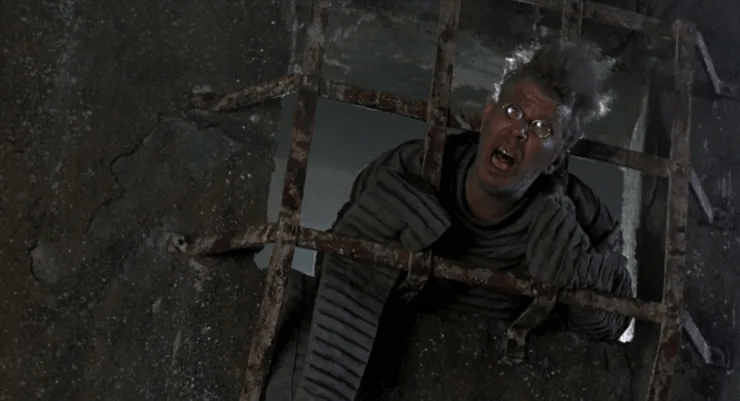
Now that I think about it I don’t think Renfeild is in this either. Something about the lunatic Renfeild is really special and no one’s portrayed the part better than in Bram Stoker’s Dracula.

Played by Tom Waits, Renfield stole the show and caused me to more deeply appreciate the character’s role in the story.

V: Additional chapters. The one scene worth mention more than any other is the midnight ceremony held in the bowlels of the Castle. Thomas Harker stumbles upon a satanic extravaganza where cult members celebrate the profane in an occult ceremony led by Dracula himself. The unholy reaches its zenith with a human sacrifice and members of the dark gathering drinking the sacrificial blood. Harker knows he better get the fuck out after this little incident.

Could Bram Stoker Have Written Two Versions of Dracula

This is either a blatant example of savage plagiarism at the expense of Stoker’s estate or it is in fact a whole other edition of Dracula certified and approved by Bram Stoker himself. 

With its searing sensuality and a heavier focus on horror it is possible Stoker knew his society was not yet ready to accept his earliest vision of Vlad Tepes but instead of trashing a work he spent years on writing out, he could have sold the rights to Icelandic publishers knowing the descendants of Viking conquerors would be a bit more open-minded than his common tea-time enjoying Englishman. 

Now that’s all speculation of course. Have we any substantial evidence to back up these claims though? In fact, we do. 

Thanks to the newly released edition of Powers of Darkness, the scholarly evidence gleaned by noted Dracula scholar Hans Corneel De Roos is presented for our approval and it’s damn compelling. One thing De Roos points out is how – in Bram’s day – Iceland was all the rage. Many English families made their way to the mysterious land of Vikings to holiday and Icelandic wanderlust was in full bloom. 

Others may find it intriguing that Bram’s work would be translated into Icelandic, but considering the fascination with Vikings and “the Old Norse” in the literary circles of his day it makes sense to me… Bram’s connection with the Vikings was personal.

Powers of Darkness, forward – Dacre Stoker

It’s also evident that the Stoker estate fully embraces this Icelandic version of Dracula and endorses it. Dacre Stoker writes the foreword of the book and insists Bram Stoker not only knew of the many changes between both versions of the story but in fact orchestrated them.

Another thing worth noting is the business agreement Bram Stoker had with his publisher. It allowed Bram Stoker ‘to sell Dracula – or any version of Dracula for translation.’ 

Bram would have loved the irony of the situation. He knew the best place to hide something was in plain sight – just as he hid his vampire Count as another face in the crowded streets of London.

Powers of Darkness, forward – Dacre Stoker

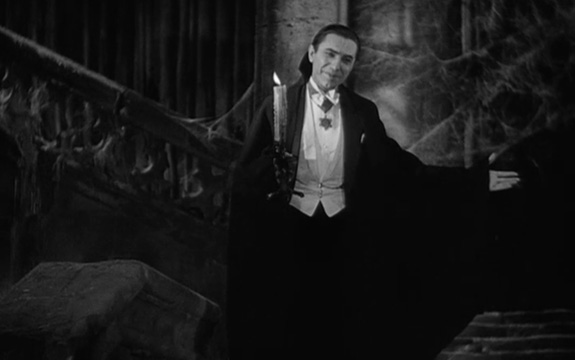
Finally, among many of the glaring differences between both versions is the introduction of Dracula from within Powers of Darkness. Many fans think of Bela Lugosi or Christopher Lee, with the swirling cape and smartly dressed vampire, when imagining Dracula. However, in the published account when Jonathan meets his vampire host Dracula is a withered old man covered in a solid black robe. 

In Powers of Darkness though we see the very stereotypical Dracula we’re all accustomed to. The suave tall smartly dressed man of mystery. He is more like the Dracula we all have come to expect.

Now to further drive this point Bram Stoker’s background was (in fact) the theater and he had the rights to turn his gothic masterpiece into a stage play. The Stoker stageplay for Dracula is what Universal based its movie on when adapting the tale to the big screen. It’s also common knowledge that Bela Lugosi, years prior to being immortalized in the movie, was already well-established as Count Dracula on the theater stage. The iconic look was simply lifted to the cinema. 

Bram Stoker approved of the look of his Count even if it was nothing like his novel’s description. It did match the description of Powers of Darkness though. Hmm, could it be a coincidence or is it evident the same mind was behind both versions?  

It might as well be noted that Dacre Stoker has released an official sequel to Bram’s Dracula story, Dracula the Un-Dead. In Dacre’s story, Bram Stoker is actually a character in the tale and, yes, he’s in the middle of making the famous stageplay of his book. There’s a scene where Dracula barges in on Bram Stoker and furiously throws a copy of Dracula at the writer. “LIES!” Dracula hisses at the bewildered man before vanishing. 

I didn’t think much of it until researching all this ghastly beautiful stuff and now I have to wonder if this scene was some inside joke of the Stoker estate. As if to say Dracula is not the entire story but only a version of it. That, possibly, there was another (lost) version out there waiting to be resurrected.   

At the end of the day, we are free to draw our own conclusions. Personally, I like to think Powers of Darkness is indeed a lost version we’ve just now discovered. Having read and loved Dracula so many years ago I truly loved having one more chance to return to the realm of the Vampire and gain a brand new experience of one of my all-time favorite monsters!

Powers of Darkness does nothing to diminish the Count’s legacy, on the contrary, it deepens it. It should also be stated that for many readers Dracula may be considered a tad bit confusing and very flowery whereas Powers of Darkness goes for the jugular and offers horror fans a true look into the heart of evil and battles it out with the Lord of Darkness. 

Regardless the evidence all points to one undeniable fact: Dracula is immortal. Could we possibly see a film adaptation of Powers of Darkness? Perhaps. Would audiences be open to seeing a brand new take on such a classic tale of blood and passion? That remains to be seen.

Personally, I like to lean on the original Dracula I grew up reading and originally fell enthralled with. That is not a criticism towards the Powers of Darkness either because I deeply enjoyed the journey it provided me as a Dracula fanatic. Being a lifelong fan of Bram Stoker’s horror masterpiece I can sincerely say PoD enriched my passion for the character.

So my final thoughts here are yes, it’s a must-read for fans of gothic horror. I cannot stress that enough. I also believe Bram Stoker wrote both versions. Just that fact the Stoker estate is behind it has me convinced and anyone familiar with the legal debacle that surrounded the release of the silent-film gargantuan masterpiece Nosferatu and the fit the Stoker estate threw over its release will know how big of a deal that is.

It’s been a tradition now for me to offer up book recommendations for Halloween time. It should go without saying that this is a must-read for anyone who loves horror, but especially gothic horror. Discover the lost mysteries of Dracula for yourself.

Manic out!