Tag Archives: Universal Monsters

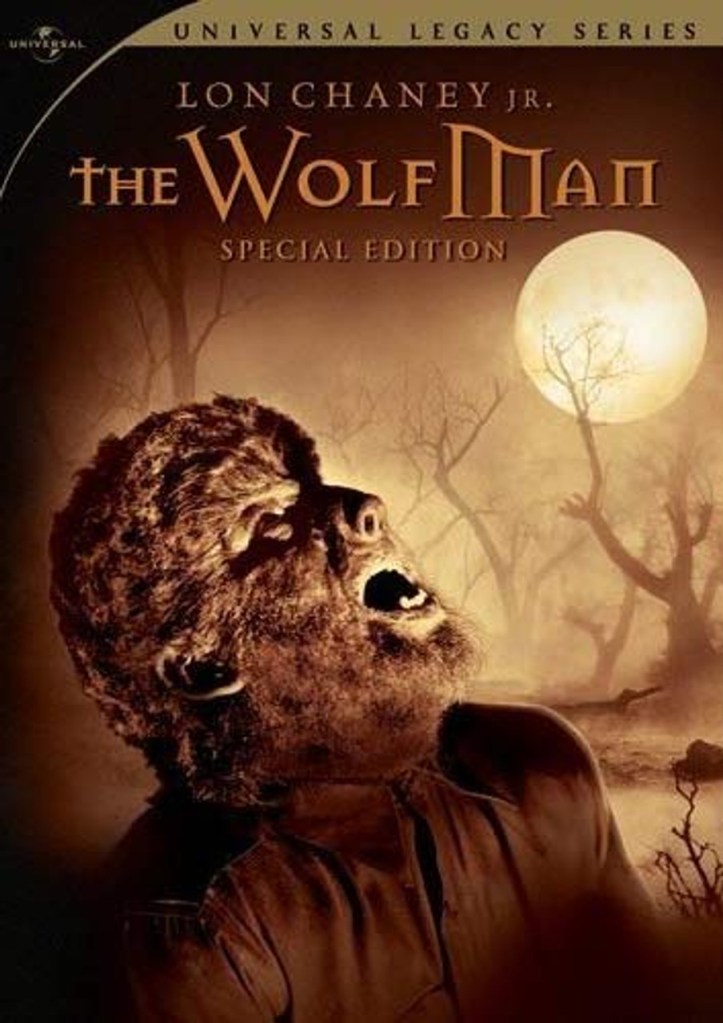
The Wolf Man’s Unstoppable Legacy of Terror

It’s that time of year again – arguably the best season of all! A time of longer nights and shorter days. A season fraught with nightmarish landscapes! Skeletons hang silently from banisters like cadavers strung over a hangman’s gallows, neighboring lawns – the same ones we pass day in and out – become overnight graveyards, masked ghouls take to the streets seeking treats, and inhuman voices howl at autumn moons. The season of horror and the hour of monsters is again upon us.

Horror fans don’t have to wait a whole year to indulge in the inner beasts that drive us, but this time of year makes it much more fun to embrace all things macabre. With Halloween approaching, I’ve decided to continue my tradition of focusing on a specific legendary monster. This year, my fangs are bare and I’m going for the jugular with Universal Monster’s Wolf Man.
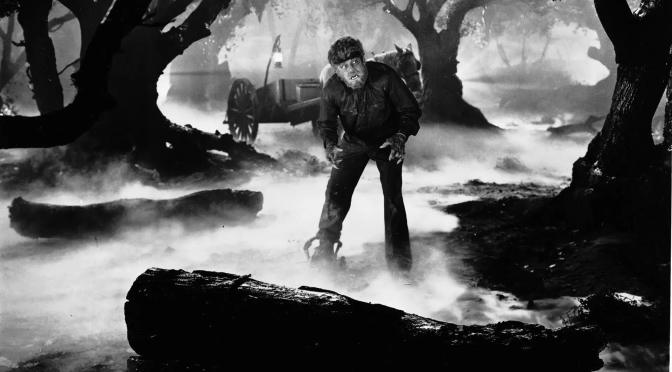
The film stands as an early example of body horror, showcasing our protagonist’s human form abandoning its natural grace and becoming grotesquely animalistic. Bones break and rearrange, skin tears and fur grows, nails curl blackly into sharpened talons and teeth sprout from a beastly maul hungry for human blood. Human anatomy is mutilated until a man becomes an accursed beast trapped under the gossamer shine of a haunting moon. Such is the horrid fate of the werewolf as we know it today. And nearly all of our knowledge concerning werewolf lore draws from the imaginative concepts introduced in this classic horror spectacle.

The movie takes its viewers on a dangerous journey across haunted moors and a gypsy camp where old magic still rules the night and locks all under a gloom of superstition and existential dread. This distant land of mysticism is shared by resplendent mansions and modern conveniences, which, intentional or not, leaves us a message – the modern day of science and progression is not protected from the old curses of a much more powerful world still lingering on the outskirts of society. The moors hold their secrets and the practitioners of the old ways know more than modern mankind when it comes to safeguarding against primordial haunts and horrors. This lesson our protagonist, Larry Talbot (played by horror royalty Lon Chaney Jr.) all too soon falls prey to.
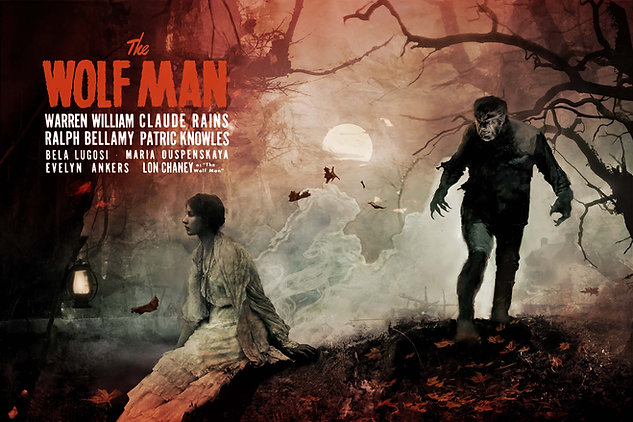
We’re entering the violent world of the Wolf Man and only a silver bullet can protect you from that haunter of night. Lock yourself behind an iron gate and say your prayers he’s not picked up your scent.  

“Even a man who’s pure at heart and says his prayers by night, may become a wolf when the wolf bane blooms and the autumn moon is bright.” – The Wolf Man
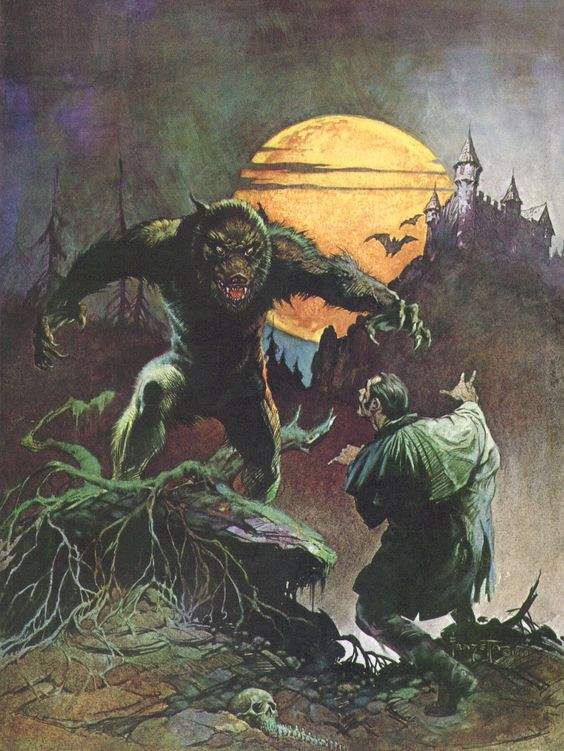
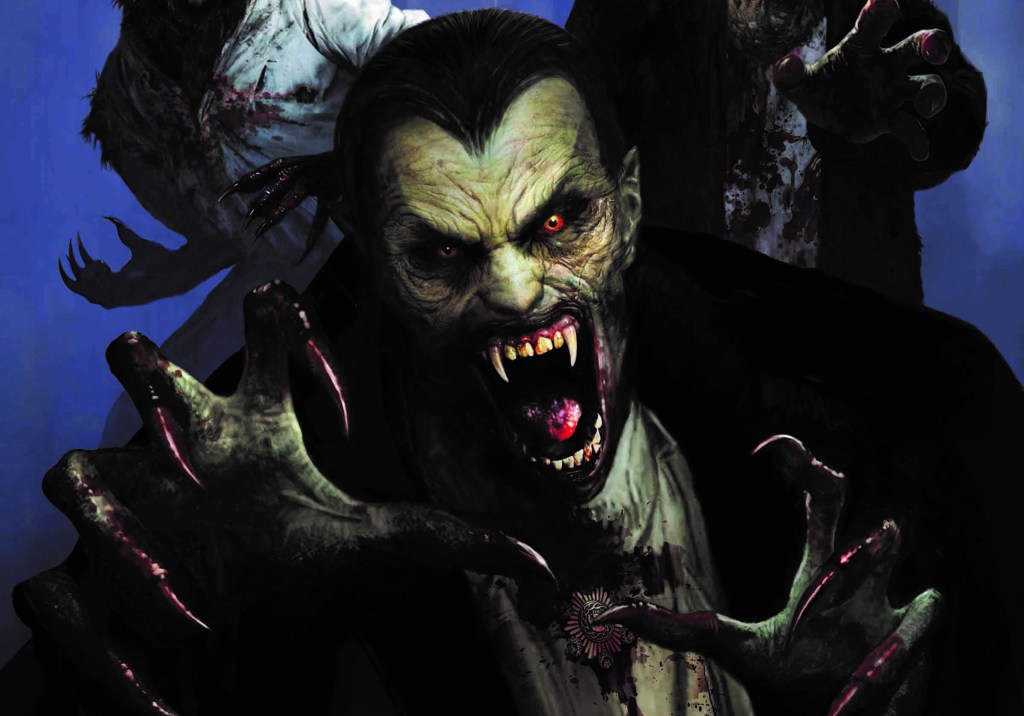
artwork by Bernie Wrightson

The plot is one of pathos. Much like the other demons of Universal Studios’ House of Horrors, this monster is another lamentation of lost innocence. Larry Talbot has reluctantly returned home to his father’s house (here played by acclaimed actor Claude Raines who starred in The Invisible Man and later Phantom of the Opera) and it’s not long before Larry’s struck by otherworldly powers.

In many cases, victims in horror movies often get exactly what they’re looking for. A puzzle box that opens the labyrinths of Hell, an Ouija board, calling out the Candyman’s name five times, or simply exploring a house said to be haunted are all examples of how curiosity can lead to dire consequences and make for some really good scares. However, this is not the case with the Wolf Man. He neither went seeking to become a wolf nor was he even the intended victim of the werewolf’s bloodlust.

Larry brings Hell down upon himself by simply being a good Samaritan. Hearing the distressed cries of a woman being attacked in the woods Larry rushes out to help only to find she’s being attacked by a wolf. With no thought to caution, Larry throws himself between the beast and its prey and quickly becomes the new object of its rage.

Unbeknownst to Larry this isn’t a mere wolf which would’ve been bad enough. No, this was a werewolf. Larry wins the fight and kills the beast but doesn’t walk away as a victor. He’s been bitten and we all know good and well what that means for poor Larry.
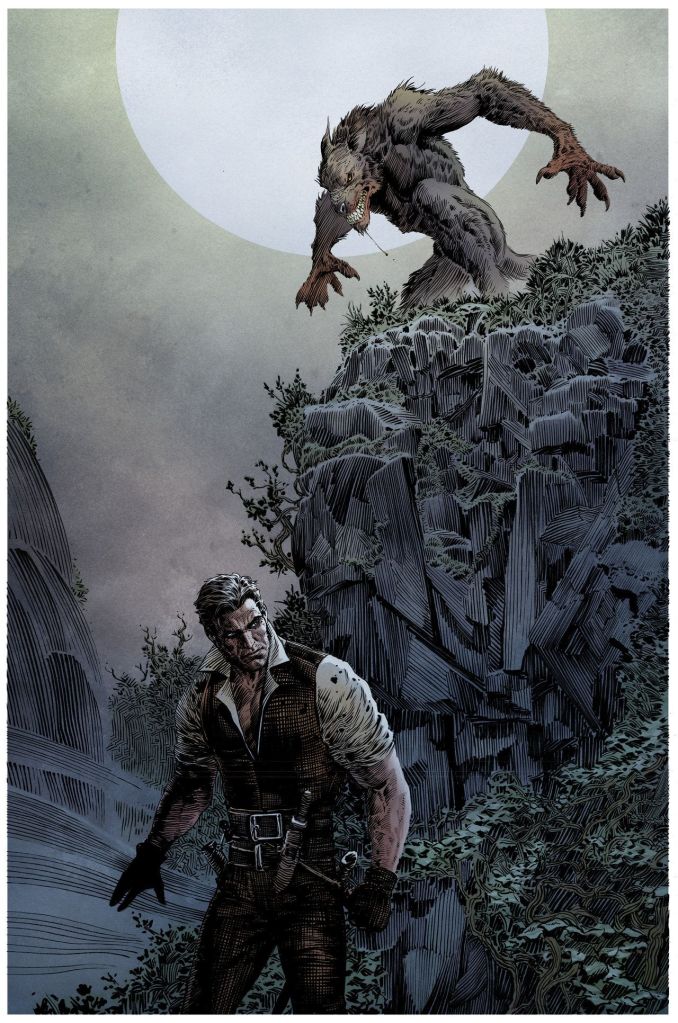
His selfless act of valor ends up cursing him to the beast’s possession. A murderous rage soon takes over his mind, eating away at his senses and sending him out into the night to hunt down and kill all whom he holds dear. It’s a story of sublime pathos if ever there was one and that’s the silent genius of the movie’s timeless strength.

This ingenious concept – that still holds up in every werewolf movie to come out after Universal’s feral classic I might add – is all due to the insight of one man – the movie’s screenwriter, Curt Siodmak. Of course, werewolf lore existed before the movie’s release and this wasn’t even the first werewolf movie out at the time. Werewolf of London had already come and gone but ultimately didn’t enjoy the success Wolf Man managed. This is due to the personal touch of sadness Siodmak put into his screenplay.
Siodmak’s youth was ravaged by sudden tragedy as his home was overtaken by men and women who turned hostile and monstrous against him and his own kind as if overnight. Being Jewish Siodmak saw his neighbors and acquaintances transform and give in to bestial instincts. Jewish people were forced to identify with a star, a symbol that later on would mark them for death. It’s no wonder then that in his screenplay the Wolf Man can see a pentagram star appear on the palm of his victim’s hand, a sure mark of death for the innocent and unsuspecting victim.

This harrowing environment stayed with Siodmak well after his family fled Germany and elements of it settled into his imagination and went on to create one of the most enduring movie monsters of all time. So powerful was Siodmak’s vision that Wolf Man DNA can be seen in every werewolf movie to follow. Before Wolf Man people turned into a werewolf by eating a poisonous plant or by magic herbs. But now all of a sudden a man bitten by a werewolf (and lived) would join the demons of the night in a rampage of grotesquely.

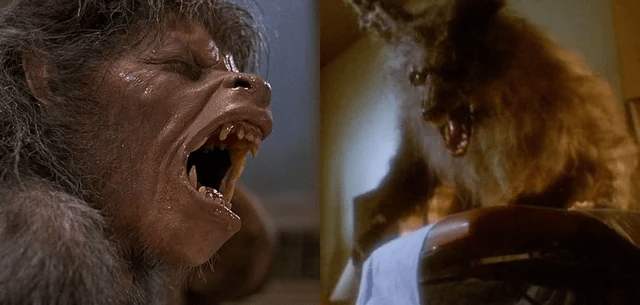
Wolf Man also introduced the idea that silver is lethal to werewolves, as well as the concept of transformation during a full moon. These elements contributed to the foundation of many iconic and cult werewolf films, including Silver Bullet, The Howling, An American Werewolf in London, and Ginger Snaps. All of these “wolfy” favorites draw on the concepts established in this classic Universal horror film.
In short, what Bram Stoker did for vampires and George Romero did for zombies Siodmak did for werewolves. Ask anyone: how do you kill a werewolf and they’ll tell you a silver bullet. Same goes for how we all know a werewolf transforms on full moons. These monster facts are rooted securely in our cultural zeitgeist and that’s something very, very hard to pull off. And so we salute Siodmak, a man not very well known among horror fans, but, maybe that can change, because had it not been for his imagination and insight we would’ve been robbed of one of the most enduring movie monsters to ever go tearing across the screen.

Is Universal’s Wolf Man a perfect film? Hell no, of course not and I’m not gonna pretend it is otherwise. But it serves perfectly on my annual Halloween watchlist. It doesn’t have to be perfect to be effective. Its moody atmosphere and eerie imagery are all perfectly Halloweeny and if you’ve never seen it you’re missing out on one of horror’s essential foundations that set the criteria for the genre.

Remakes of the Wolf

Wolf Man (2010)
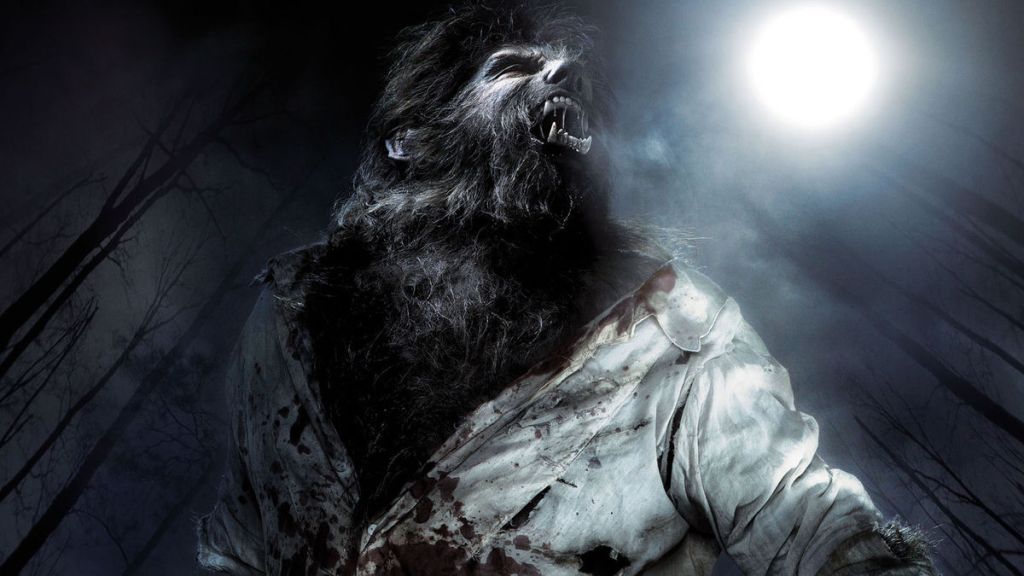
I honestly don’t hate the 2010 remake. I saw it at the theater back when it came out. I also just ordered the Scream Factory special edition release. I think it’s a good retelling of the familiar classic with some decent (honestly gotta say shocking) gore. I also like how the Wolf Man looks proving once again that Rick Baker (American Werewolf in London) is the monster maker. It’s an updated vision of what Jack Pierce came up with all those years ago and I love it.
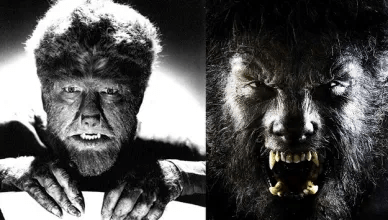
The one glaring fault with the movie is its unnecessary use of CGI. Because the studio had the genius of Rick Baker behind the project there’s no excuse for not letting him be in charge of the werewolf transformation scenes. Compare those scenes to what Baker did with AAWIL and you’ll see what I mean.

Overall does the remake deserve the hate it got? No. I mean comparing the look of its werewolf to that stupid shit Blumhouse is trying to push and yeah. Superior!
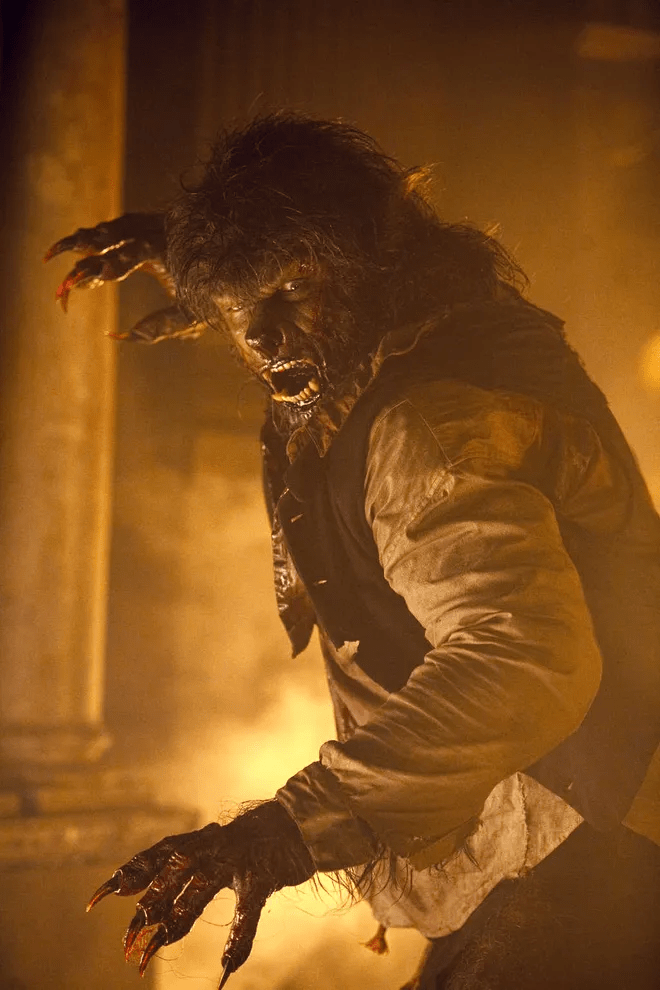
The story closely follows the original film with a few new twists and surprise elements to keep it fresh. Honestly, I say give it a chance.

Wolf (1994)
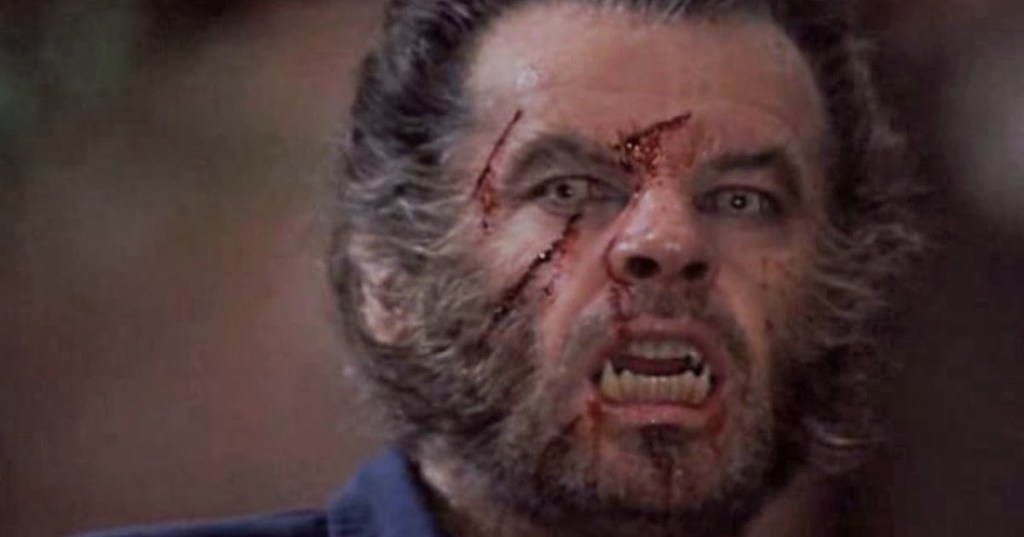
This is a weird one and shocking that it even exists. It’s not a bad movie but it’s just a bit odd. It’s a modern retelling of the Wolf Man and was inspired by the striking success of Bram Stoker’s Dracula and Mary Shelley’s Frankenstein. The ‘90s wanted to restore the audience’s love for classic horror icons with new erotic romance, updated effects, and blood. Woo hoo!

Well, Wolf might strike some (probably most) viewers as a boring journey seeing as how there is no wild transformation scene. Not on the lever of AAIL or The Howling. You also won’t get a full-body werewolf costume like you do in Silver Bullet. Our lead protagonist slowly does turn more wolf-like and will fully become a beast by the end of the movie but it’s nothing at all like what people expect to see.

This time our lead is played by Jack Nicholson (The Shining, Batman), and is no stranger to horror roles or larger-than-life parts. He’s a perfect casting choice to play the role of Larry Talbot but the filmmaker chose to hold back. There’s no amazing monster makeup and Nicholson’s roles in The Shining and The Joker are way more memorable. That’s not to say there’s no monster effects. There are they’re just, well, have a look. They look fine.
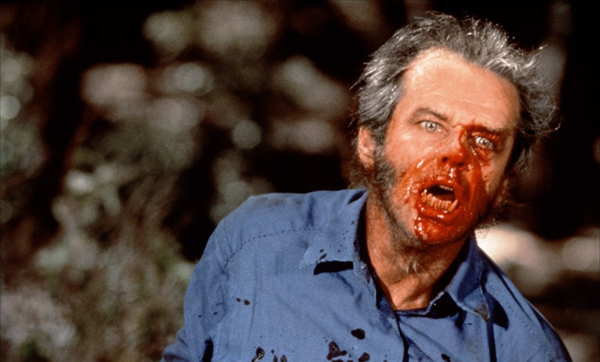
Wolf came out during that weird time in the ‘90s when Hollywood didn’t want to make ‘horror’ films and preferred the term thrillers. Because of this attitude, the movie really feels like a monster movie that’s scared of being associated with being a monster movie. So it misses the point. All that said I do weirdly like it. I mean honestly, I’ve not seen it since I was a teen and I liked it back then. If I rewatched it now all these years later that all could possibly change.
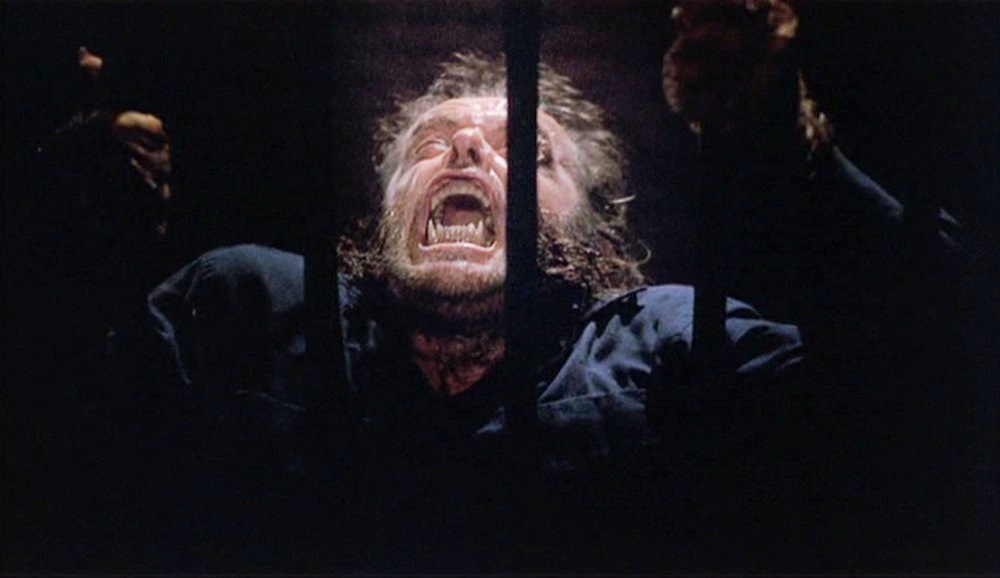
Personally, I’d recommend just watching any other werewolf flick. That or the 2010 remake. If you’ve never seen the original movie I say go give it a watch because I’m a whore for Universal Monsters and have to watch them every year around this time.

Further Recommendations: Sequels
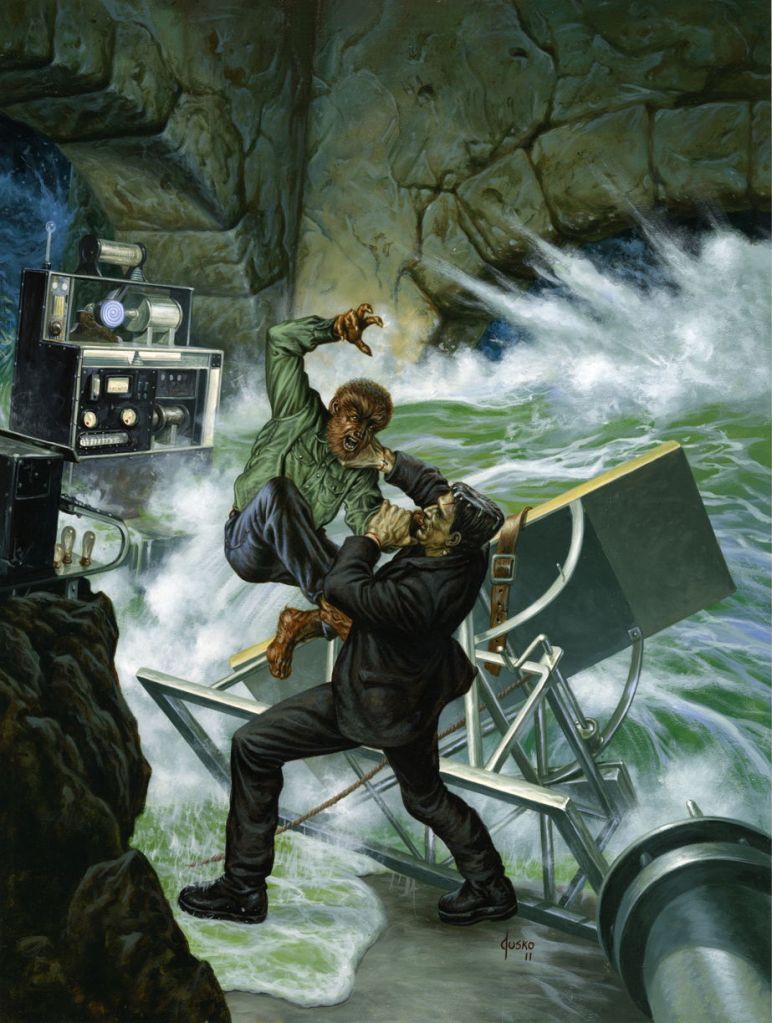
I’d also strongly recommend the Wolf Man’s sequel, Frankenstein Meets the Wolf Man. One of the first times horror icons met up in a fatal fight to the death as the man made of cadavers and the man cursed by the moon are locked in battle. It’s also the earliest example of a shared universe way before Marvel ever acted like they started that shit.
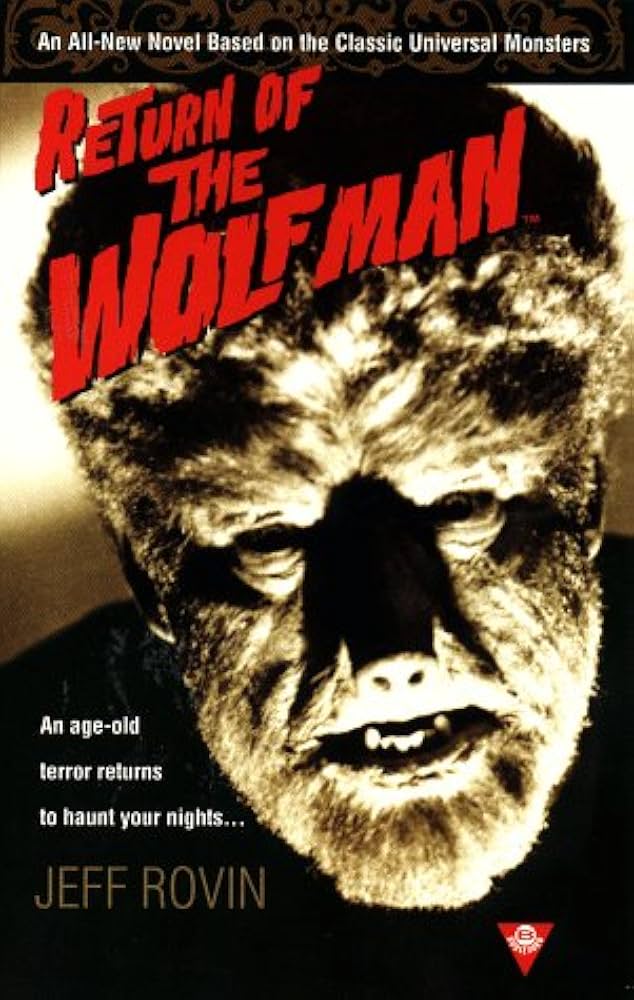
And, if you’re like me and have seen all these movies a dozen times over and still need a lycan fix, I just discovered a novel officially released by Universal Monsters that’s a sequel to the Wolf Man. It’s called Return of the Wolf Man and the book opens up right away with our hairy beast promptly fighting Dracula! Not only that but the Frankenstein Monster shows up and already this is proving to be a wild monster mash well worth the price I paid for it.

Yeah, so about that, it’s sad to say this thing can be pricy as all fuck. I paid $40 at Half Price Books for my (used paperback) copy but a copy on Amazon (last I looked) is going for over a hundred big ones. So yeah… If you happen to chance across this book at a used store or the library I say pick it up.

So that’s it, my nasties. Hope you all enjoyed our little journey into the night to discuss werewolves. You all have a Happy Halloween and watch out when you go out after sunset. If you hear something howling in the dark run as fast as you can. You might get away with your life.
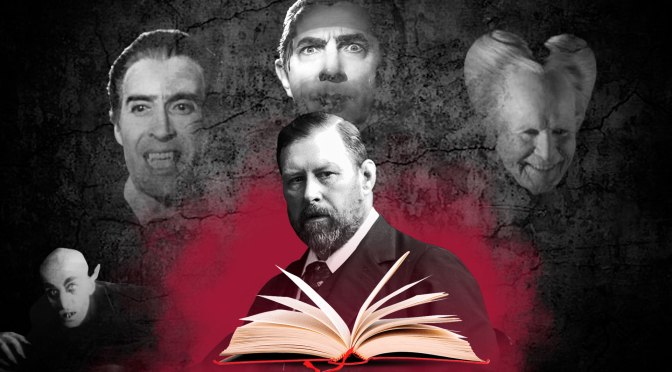
The Powers of Darkness – Has The Lost Version of Dracula Been Unearthed?

Even among the most iconic denizens of horror, he stands out as a colossal figure bowing to none and ruling over all others. He is the Son of the Devil, accursed of God, and Father of Plagues. The mention of his name conjures forth images of tall ruins and battlements, of permanent night and a castle haunted by nocturnal demons. A kingdom looming over fog-laden graveyards and midnight towers rising to scratch the silver frost of crescent moons. His presence haunts the Carpathian mountainside and his shadow far spreads across the villages of Transylvania, chilling the blood with ultimate terror. His legend is renowned and his history evermore draws out the mystics to return once more to the land of vampires where he sits enthroned among the ghouls. He is Dracula!

The Imperial Legacy of Dracula

Transylvanian nights, autumn-shaded fields, greying woods of barren trees haunted by werewolves, and, most of all, deep crypts beneath the demon castle where the undead slumber restlessly in an anguish of eternal thirst. 

These are merely a handful of examples Dracula inspires within us. A devil, a king, and a tyrant. A vampire and a lover. The romantic and the fanatic, a man and a beast in one combined by howling passions and restless obsessions. 

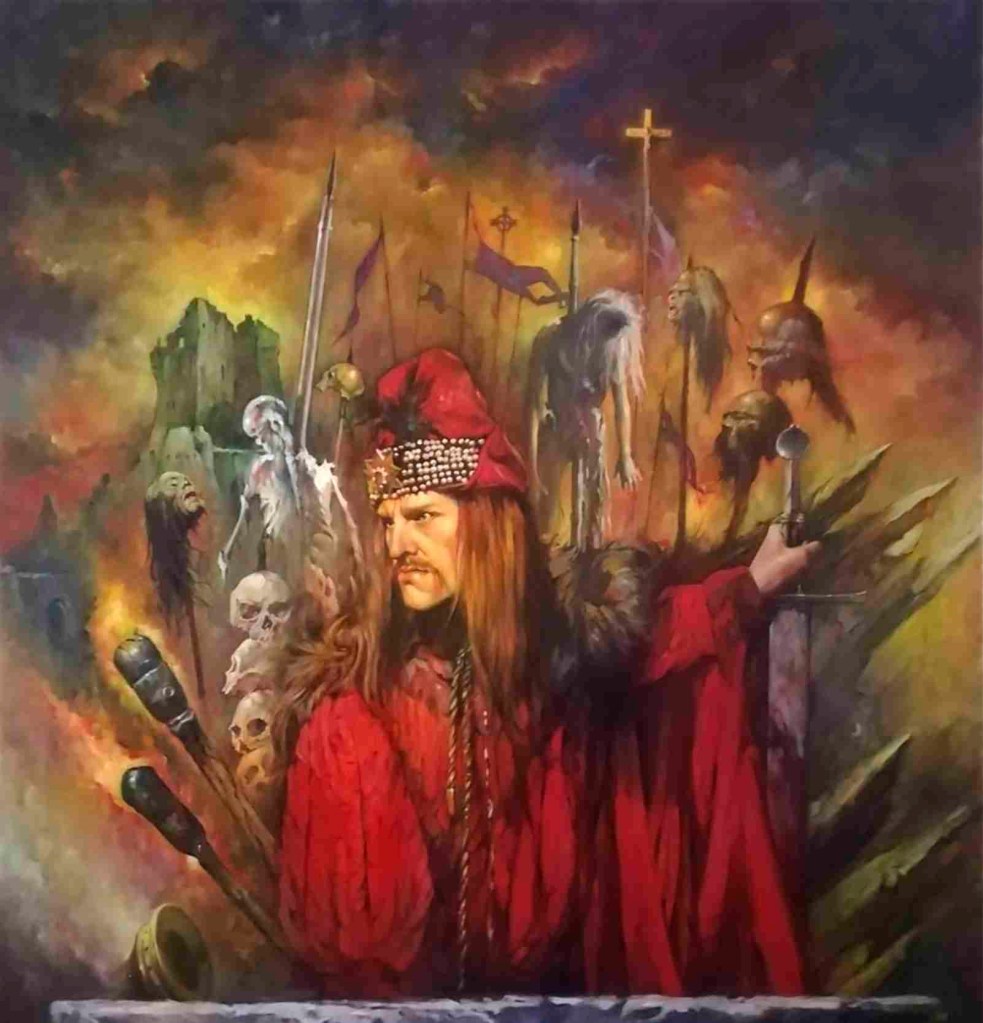
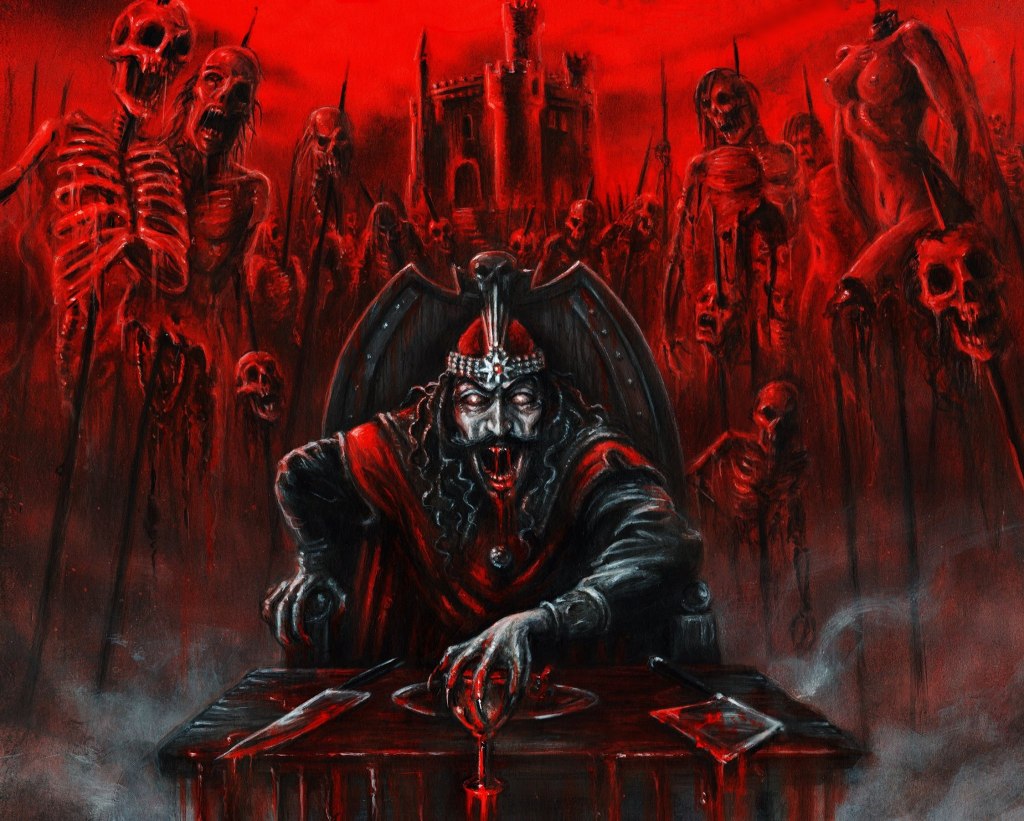
In every imaginable form, Dracula has mystified people around the world. History knows him as a blood-crazed warlord whose carnage saved his beloved Wallachia from invaders. The hillsides ran red with the blood of his enemies who hung between heaven and earth from the crude poles Vlad Tepes impaled them upon. Grizzly decorations to demonstrate his ruthless majesty and unwavering malice. He would feast beneath the agony of their slow death even though the air ran putrid with the black stench of human rot and cadaverous decay.

Among his various accounts, it was noted that Vlad was seen dipping his bread in a pool of blood and feasting thus solidifying the rumors of his vampiric legend even further. To this day the inhabitants of Romania hail Dracula as a national hero and do not view him as the monster he’s universally perceived as.

In literature, you’ll find no vampire any more recognizable or beloved than him. He’s not only dominated the bustling theater stage but has likewise wrapped his gossamer wings around movie-going audiences and holds generations enthralled by his mystique.

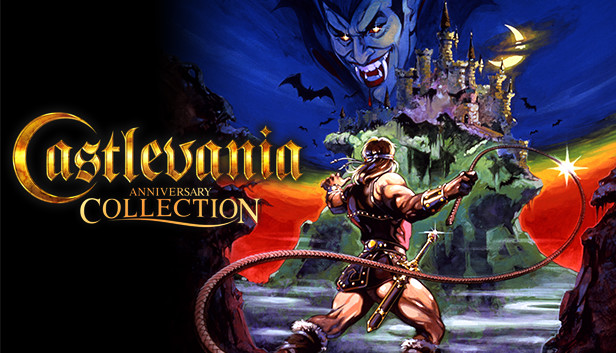
Even videogames get in on the power of Dracula’s immortal darkness and reap the rewards. 

Through him, we recognize the darker aspect of our own nature. Those hidden longings and buried desires we all keep unseen by the light of day. Our thirsts and insatiable cravings that would otherwise wash us away in a tidal flood if not for the restraint of a good and proper conscience. Dracula, on the other hand, is unrestrained, and perhaps, in loving him, a silent exorcism of our own shadowy demons is at play. As the Prince of Darkness, he draws out the blackness of our souls and embodies our bestial aspects of nature so that we may go on with living in the sunshine. Oh yes, he is evil but is a necessary evil.

Perhaps for this very reason, scholars return back to his crypt year after year in hopes of some future discoveries remaining sealed away among the nocturnal mysteries of his haunted castle. And, as a matter of point, what a great discovery has been made concerning the legend of our beloved Count Dracula! 

The Half Has Not Been Told – The Powers of Darkness! 

Dracula’s legendarium is universally known by now, an achievement seldom ever accomplished and worthy of celebration. The Count rising from his grave to feed off human blood; the bats, the wolves, the castle, and stakes through the heart all come from association with Dracula’s immortal tale.

Ask children to draw a vampire they’ll draw you a figure with fangs and draped in a black cape. That’s Dracula. Ask anyone what a vampire turns into and they’ll say. ‘a bat.’ Again, that’s from Bram Stoker. Dracula isn’t just a vampire to the world. He is the vampire to us, the very quintessential embodiment of everything a vampire is expected to be. That is how well-established Dracula is.

He is a global phenomenon. 

Nevertheless, as readily recognizable as the beloved Count is, and as one renowned Dracula scholar discovered, there may in fact be far more to this beloved vampire’s saga than we first thought possible. Could there be a completely different Dracula that’s secretly been hiding among us for over a hundred years? If so how perfectly fitting of it.  

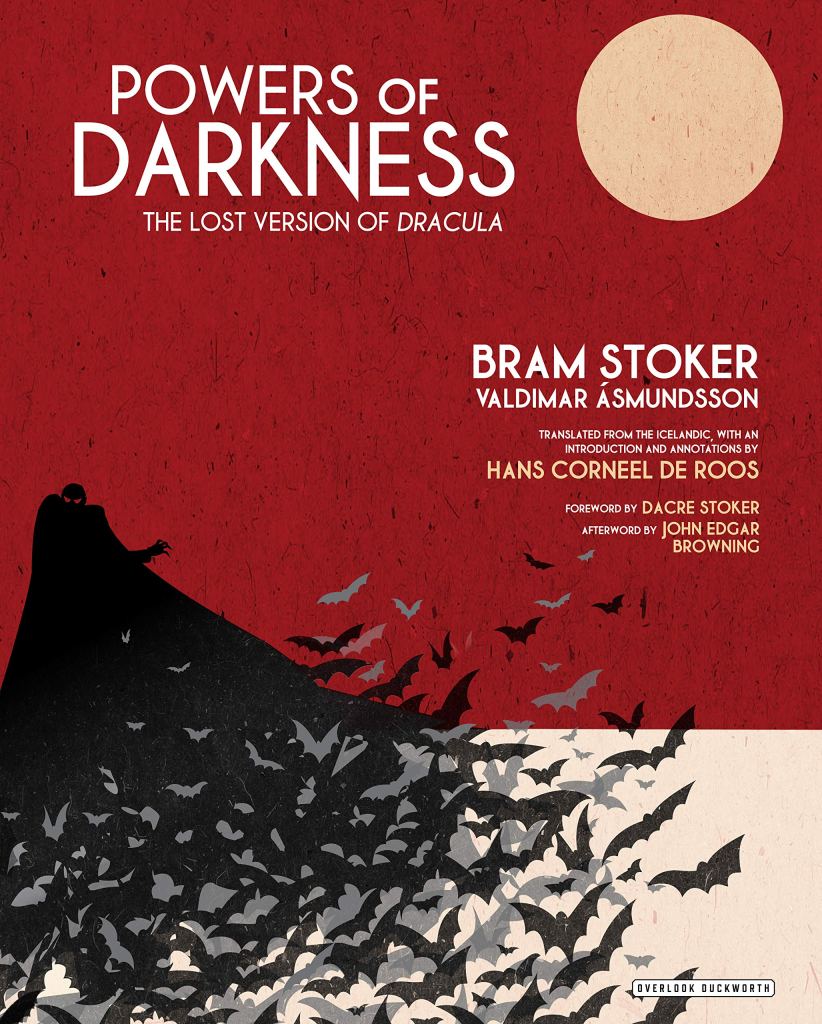
Enter the unusual Icelandic interpretation of Dracula AKA Powers of Darkness.

Much like how Dracula rises from the dead upon sundown this ‘lost’ edition rose up, perhaps at some astral appointed time, and unfurled its mystery at long last demanding recognition. This lost edition of Dracula was found in the Icelandic translation of Bram Stoker’s horror tale. At first, it was thought to be nothing more than an example of artistic freedom on behalf of the translation. It happens.

And yet, the more the Icelandic edition was studied the clearer it became this was not simply a bit of paraphrasing of the original, but this was in fact a genuinely different animal altogether. New characters, new chapters, and a new plotline awaited within.

When I first heard about this ‘lost’ version I thought maybe it would be similar to what happened with Universal’s Spanish Dracula. Both versions of the movie were filmed at the same time, the Lugosi version was shot during the day whereas the Spanish crew filmed at night. Though the movies follow the same plot many feel the Spanish version is technically superior to the Lugosi film. But the narrative doesn’t change much.

This isn’t the case between Dracula and Powers of Darkness.

Some of the glaring differences are as follows: 

I: The Powers of Darkness is not at all a gothic romance, a thing its counterpart is celebrated for. The original Bela Lugosi movie was called a story of the strangest passion the world has ever known! Decades later Francis Ford Coppola would reinvent the wheel with his passionate retelling of the vampire’s romantic tale with Bram Stoker’s Dracula.

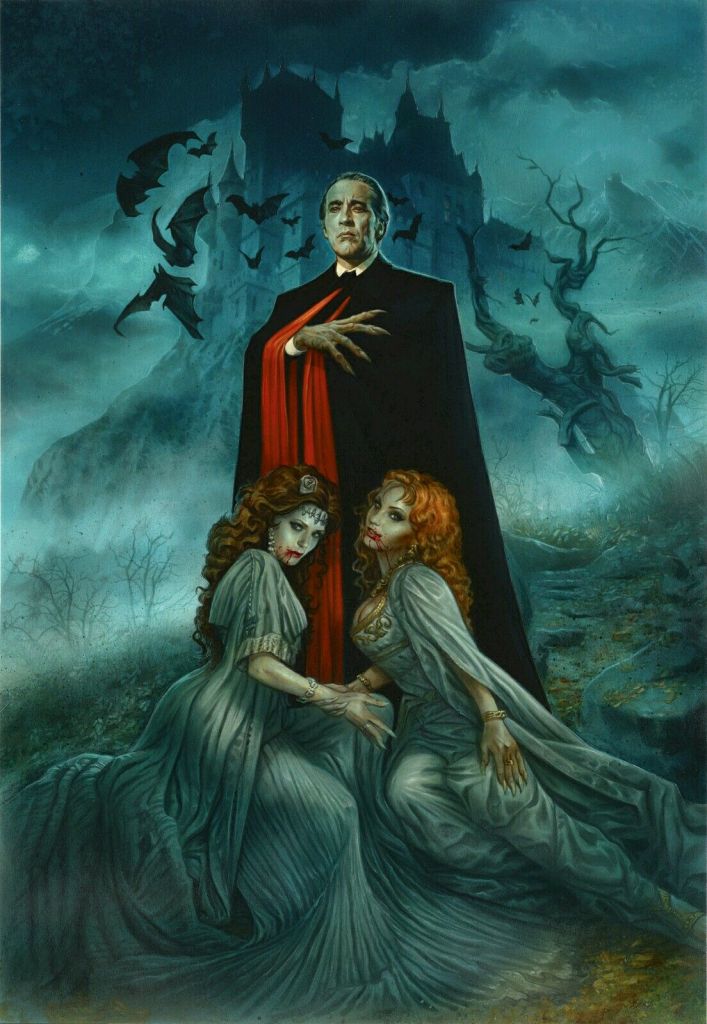
By the time Coppola’s film was released the world was inundated with many, many different Dracula movies. Many earning cult status on their own merits. As a matter of fact, to this day Christopher Lee’s portrayal of Dracula stands as most people’s favorite thanks to the Hammer Horror take on the Count. But after so many movies about this Prince of Darkness, it seemed either stupid or bold to make another one.

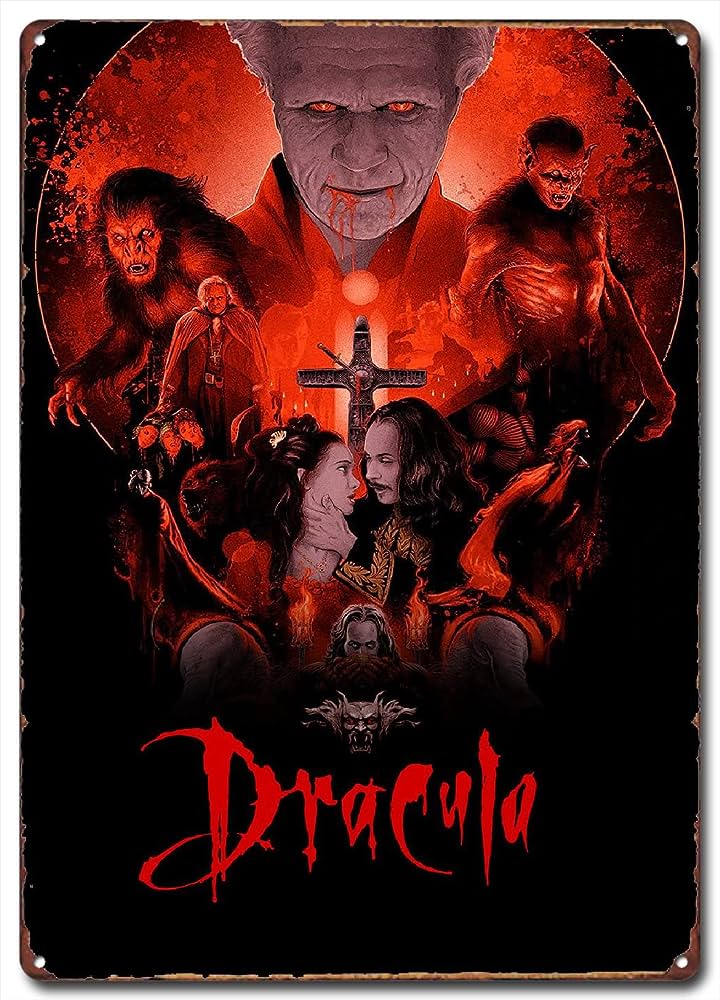
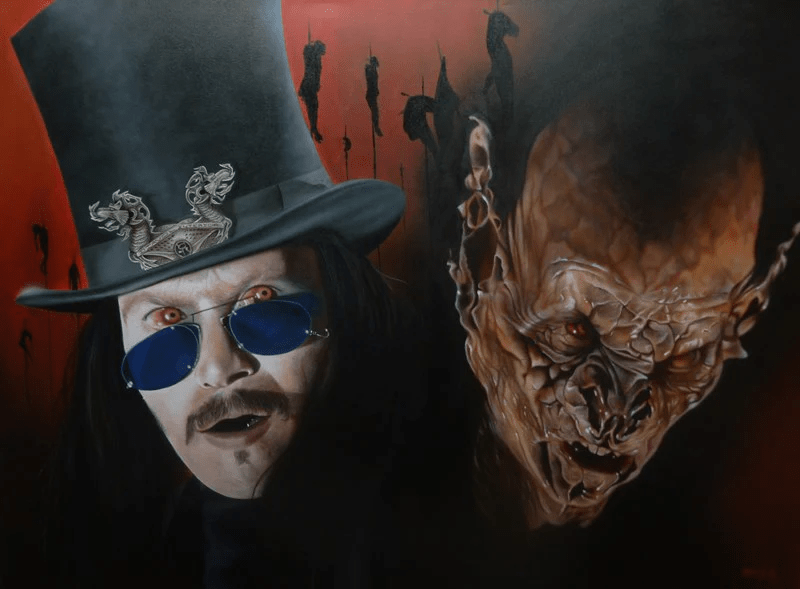
And yet, with nearly a hundred movies about Dracula already in circulation, this passion project hit theaters and stabbed at the heart of audiences all around the world, becoming an instant classic and inspiring a new generation of dark-minded individuals universally. It is not a 100% accurate adaptation by any means but it does stay closely to the vein of Stoker’s novel. Bram Stoker’s Dracula was a blockbuster sensation and Gary Oldman’s performance is chilling as well as tragic. The poster promises Love Never Dies, thus once more confirming the deeply rooted romance at the heart of Dracula

Well, The Powers of Darkness has none of that. Removing the romance from the story grants the narrative a more menacing scope. For example, in Bram Stoker’s recognized story Dracula travels to London and there falls in love with Mina. Dracula is after her heart. In Powers of Darkness, Dracula is not out to steal hearts but to conquer the world. His planned trip to London is far more ambitious. London, for the time, being the pinnacle of world power naturally causes the Count to turn his reddened eyes her way with a lust to rule and dominate. 

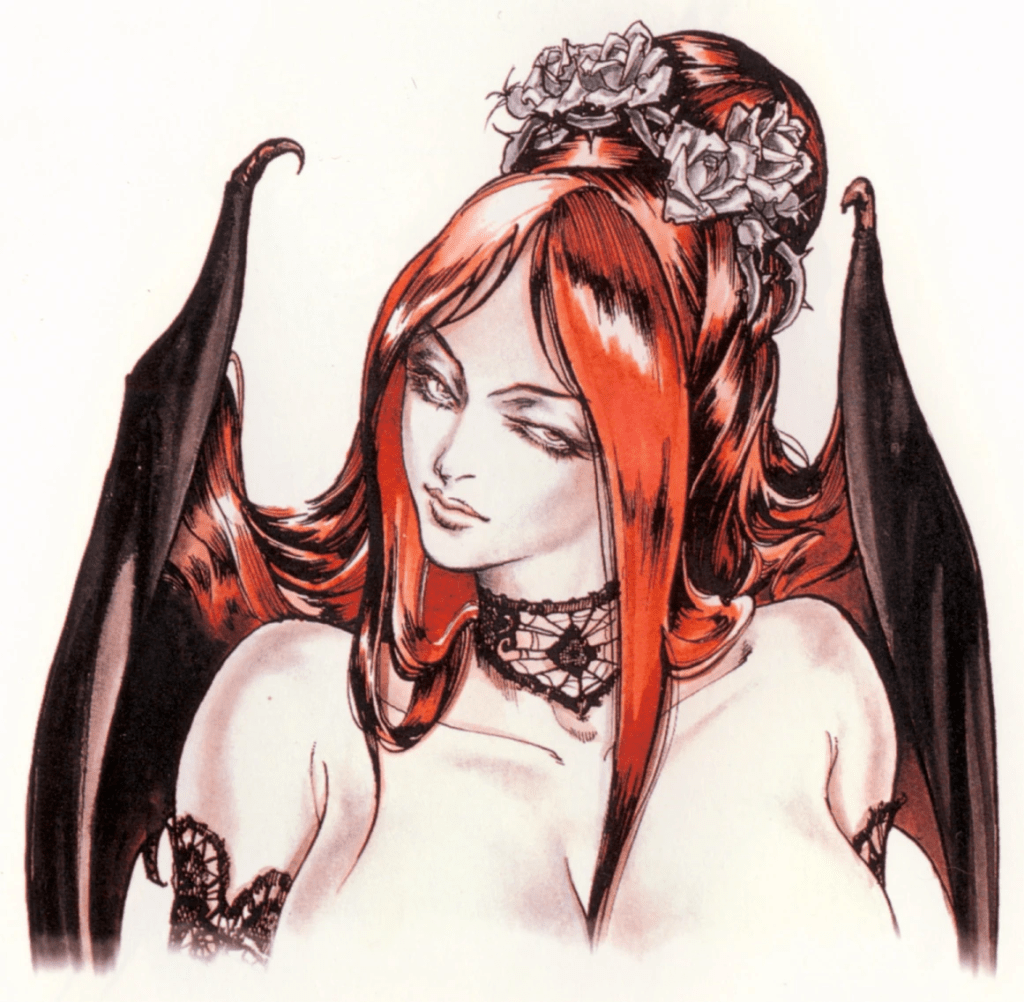
This version of Dracula thrills me for obvious reasons and I’m pretty sure my readers will know why. If you’ve been with us for very long and are accustomed to my writings you’ll know how much I absolutely love the Castlevania games. In Powers of Darkness, Dracula reminds me of the Dracula from that game series. An evil master of demons and Dark Lord of horror. He will engulf the world in his growing shadow and only the bravest can stand against him. 

I’m not saying PoD is an action story by any stretch of the imagination, but I will admit it is thrilling. 

II: Whereas the original novel takes place mostly in London The Powers of Darkness plays out mostly in the dark regions of Transylvania. And let’s be honest here. That’s way more interesting than London. When we think of Dracula he’s always in the top spires of his castle which is secured at the heart of Transylvania. Keeping the reader in the heart of vampire country allows for a much darker experience, one that is perfectly suited for Halloween which makes this edition the perfect new read come the witching season. 

III: Compared to the original version this one’s positively dripping with eroticism. The romance of Stoker’s original novel may be gone but in its place is a silky and sensual carnality on full display. Today it would be considered tame by modern audiences but for those picking up a copy upon its initial publication a hundred-some years ago, they had to have felt red around the collar. It would have been altogether too obscene for proper Londonites of the day.

This further pushes the argument that Bram Stoker was behind the Icelandic release. As a writer, he must have known how reviled his original version would be seen by the society he lived in. In fact, even the version of Dracula that got published was considered far too ‘dreadful’ by many of Stoker’s associates. The idea of having lustful beings who equally feed on human blood and are children of the Devil would have been too extreme for people to accept. So what is a writer to do? If it was me I would get both editions published in order for the dream to live on across the world. 

In Powers of Darkness, we don’t see pornography, of course not. It’s nothing of that degree, but young Mr. Harker’s mind is tortured by ungodly thoughts once he sees a mysterious beauty playfully about the halls of the castle. Her clothes are far more revealing than Mr. Harker has ever had the pleasure of seeing. Not to mention a full-on Satanic orgy is held beneath the castle. As I stated before proper English society would’ve been appalled.

IV: Character names are changed, and other characters are gone entirely. In Dracula, we follow Jonathan Harker into the mysteries of Transylvania where the Count awaits to greet him. Meanwhile, in Powers of Darkness, we follow Thomas Harker, the same character but different name.

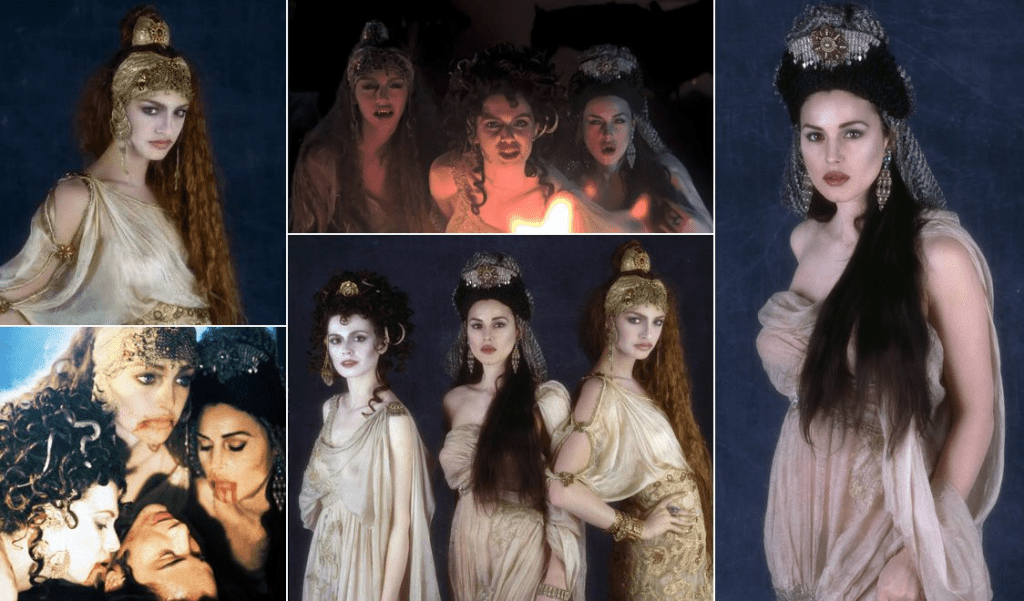
The three Brides are missing here. The Brides were always interesting to me and added to the dangers lurking about Castle Dracula. They were tragic and foreboding, a beautiful menace not to be taken lightly and never to be underestimated. Their omission here is sadly felt.

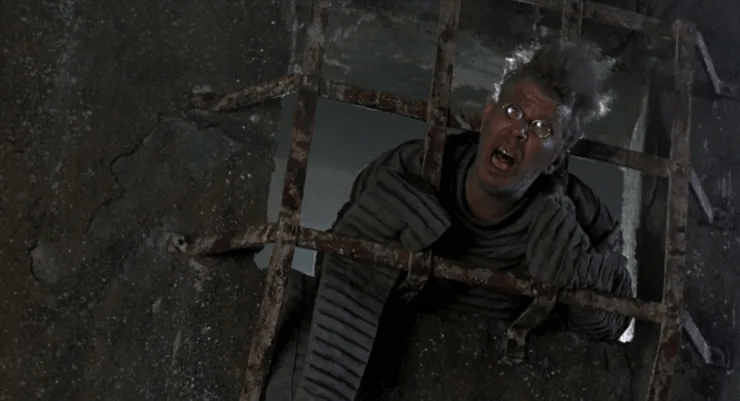
Now that I think about it I don’t think Renfeild is in this either. Something about the lunatic Renfeild is really special and no one’s portrayed the part better than in Bram Stoker’s Dracula.

Played by Tom Waits, Renfield stole the show and caused me to more deeply appreciate the character’s role in the story.

V: Additional chapters. The one scene worth mention more than any other is the midnight ceremony held in the bowlels of the Castle. Thomas Harker stumbles upon a satanic extravaganza where cult members celebrate the profane in an occult ceremony led by Dracula himself. The unholy reaches its zenith with a human sacrifice and members of the dark gathering drinking the sacrificial blood. Harker knows he better get the fuck out after this little incident.

Could Bram Stoker Have Written Two Versions of Dracula

This is either a blatant example of savage plagiarism at the expense of Stoker’s estate or it is in fact a whole other edition of Dracula certified and approved by Bram Stoker himself. 

With its searing sensuality and a heavier focus on horror it is possible Stoker knew his society was not yet ready to accept his earliest vision of Vlad Tepes but instead of trashing a work he spent years on writing out, he could have sold the rights to Icelandic publishers knowing the descendants of Viking conquerors would be a bit more open-minded than his common tea-time enjoying Englishman. 

Now that’s all speculation of course. Have we any substantial evidence to back up these claims though? In fact, we do. 

Thanks to the newly released edition of Powers of Darkness, the scholarly evidence gleaned by noted Dracula scholar Hans Corneel De Roos is presented for our approval and it’s damn compelling. One thing De Roos points out is how – in Bram’s day – Iceland was all the rage. Many English families made their way to the mysterious land of Vikings to holiday and Icelandic wanderlust was in full bloom. 

Others may find it intriguing that Bram’s work would be translated into Icelandic, but considering the fascination with Vikings and “the Old Norse” in the literary circles of his day it makes sense to me… Bram’s connection with the Vikings was personal.

Powers of Darkness, forward – Dacre Stoker

It’s also evident that the Stoker estate fully embraces this Icelandic version of Dracula and endorses it. Dacre Stoker writes the foreword of the book and insists Bram Stoker not only knew of the many changes between both versions of the story but in fact orchestrated them.

Another thing worth noting is the business agreement Bram Stoker had with his publisher. It allowed Bram Stoker ‘to sell Dracula – or any version of Dracula for translation.’ 

Bram would have loved the irony of the situation. He knew the best place to hide something was in plain sight – just as he hid his vampire Count as another face in the crowded streets of London.

Powers of Darkness, forward – Dacre Stoker

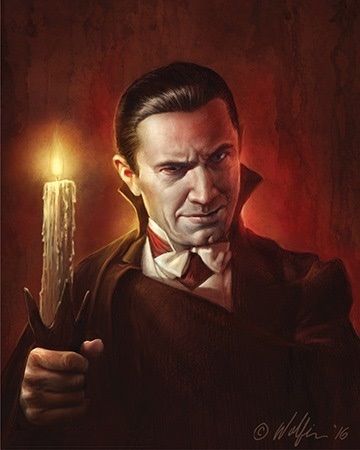
Finally, among many of the glaring differences between both versions is the introduction of Dracula from within Powers of Darkness. Many fans think of Bela Lugosi or Christopher Lee, with the swirling cape and smartly dressed vampire, when imagining Dracula. However, in the published account when Jonathan meets his vampire host Dracula is a withered old man covered in a solid black robe. 

In Powers of Darkness though we see the very stereotypical Dracula we’re all accustomed to. The suave tall smartly dressed man of mystery. He is more like the Dracula we all have come to expect.

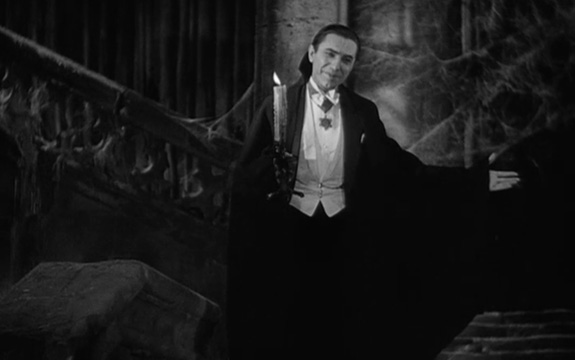
Now to further drive this point Bram Stoker’s background was (in fact) the theater and he had the rights to turn his gothic masterpiece into a stage play. The Stoker stageplay for Dracula is what Universal based its movie on when adapting the tale to the big screen. It’s also common knowledge that Bela Lugosi, years prior to being immortalized in the movie, was already well-established as Count Dracula on the theater stage. The iconic look was simply lifted to the cinema. 

Bram Stoker approved of the look of his Count even if it was nothing like his novel’s description. It did match the description of Powers of Darkness though. Hmm, could it be a coincidence or is it evident the same mind was behind both versions?  

It might as well be noted that Dacre Stoker has released an official sequel to Bram’s Dracula story, Dracula the Un-Dead. In Dacre’s story, Bram Stoker is actually a character in the tale and, yes, he’s in the middle of making the famous stageplay of his book. There’s a scene where Dracula barges in on Bram Stoker and furiously throws a copy of Dracula at the writer. “LIES!” Dracula hisses at the bewildered man before vanishing. 

I didn’t think much of it until researching all this ghastly beautiful stuff and now I have to wonder if this scene was some inside joke of the Stoker estate. As if to say Dracula is not the entire story but only a version of it. That, possibly, there was another (lost) version out there waiting to be resurrected.   

At the end of the day, we are free to draw our own conclusions. Personally, I like to think Powers of Darkness is indeed a lost version we’ve just now discovered. Having read and loved Dracula so many years ago I truly loved having one more chance to return to the realm of the Vampire and gain a brand new experience of one of my all-time favorite monsters!

Powers of Darkness does nothing to diminish the Count’s legacy, on the contrary, it deepens it. It should also be stated that for many readers Dracula may be considered a tad bit confusing and very flowery whereas Powers of Darkness goes for the jugular and offers horror fans a true look into the heart of evil and battles it out with the Lord of Darkness. 

Regardless the evidence all points to one undeniable fact: Dracula is immortal. Could we possibly see a film adaptation of Powers of Darkness? Perhaps. Would audiences be open to seeing a brand new take on such a classic tale of blood and passion? That remains to be seen.

Personally, I like to lean on the original Dracula I grew up reading and originally fell enthralled with. That is not a criticism towards the Powers of Darkness either because I deeply enjoyed the journey it provided me as a Dracula fanatic. Being a lifelong fan of Bram Stoker’s horror masterpiece I can sincerely say PoD enriched my passion for the character.

So my final thoughts here are yes, it’s a must-read for fans of gothic horror. I cannot stress that enough. I also believe Bram Stoker wrote both versions. Just that fact the Stoker estate is behind it has me convinced and anyone familiar with the legal debacle that surrounded the release of the silent-film gargantuan masterpiece Nosferatu and the fit the Stoker estate threw over its release will know how big of a deal that is.

It’s been a tradition now for me to offer up book recommendations for Halloween time. It should go without saying that this is a must-read for anyone who loves horror, but especially gothic horror. Discover the lost mysteries of Dracula for yourself.

Manic out!

Bela Lugosi And The Insidious Charm of Ygor! ‘Son of Frankenstein’

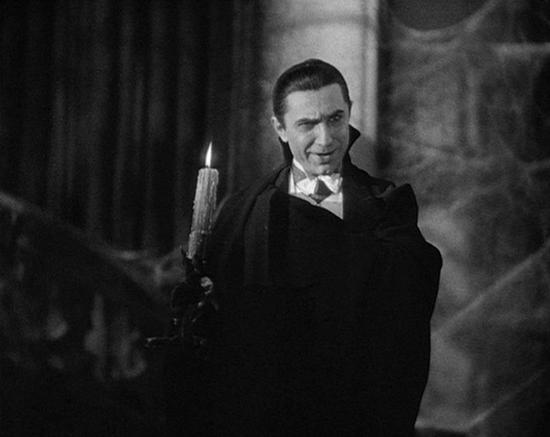
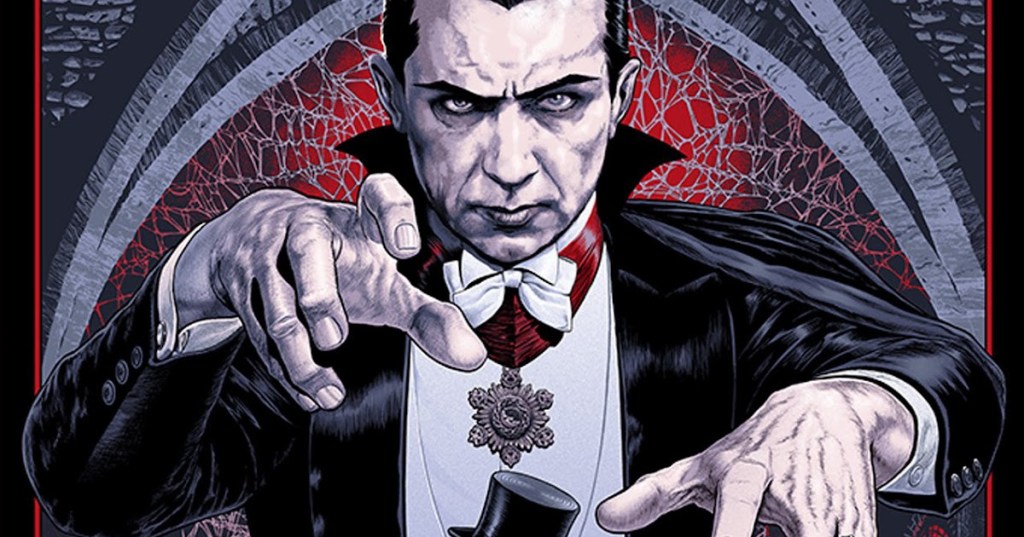
Bela Lugosi needs no introduction among horror enthusiasts. Forever more will he be associated with the nocturnal Prince of Darkness, Count Dracula, for his phenomenal portrayal of Bram Stoker’s titular character. Laying the foundations for the future of talking horror flicks to follow in his haunted footsteps Lugosi also ensured the future of Universal as the House of Horrors. 

Doubtlessly whenever his name is mentioned people primarily associate the late actor with his immortal vampire role. Moldy castles, gargantuan spider webs, capes, shadows, and those piercing eyes are forever etched in the edifice of horror history. Had the man played only one role – that of Dracula – it is for certain he would have secured a timeless legacy. 

What many people sadly miss out on though are the other horror roles Lugosi likewise immortalized by that devilish charm and uncanny of his. Briefly, I am obligated to mention his monstrous role played in Island of Lost Souls, a retelling of the Island of Dr. Moreau, where Lugosi chews up his scenes with feral passionate intensity. 

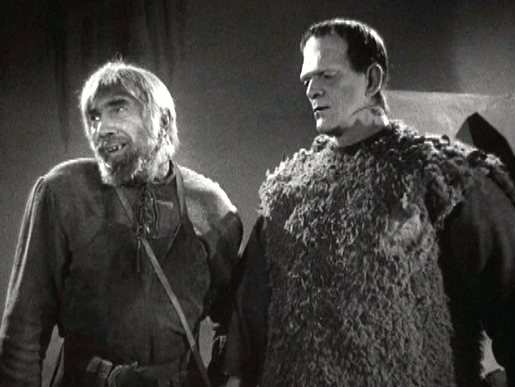
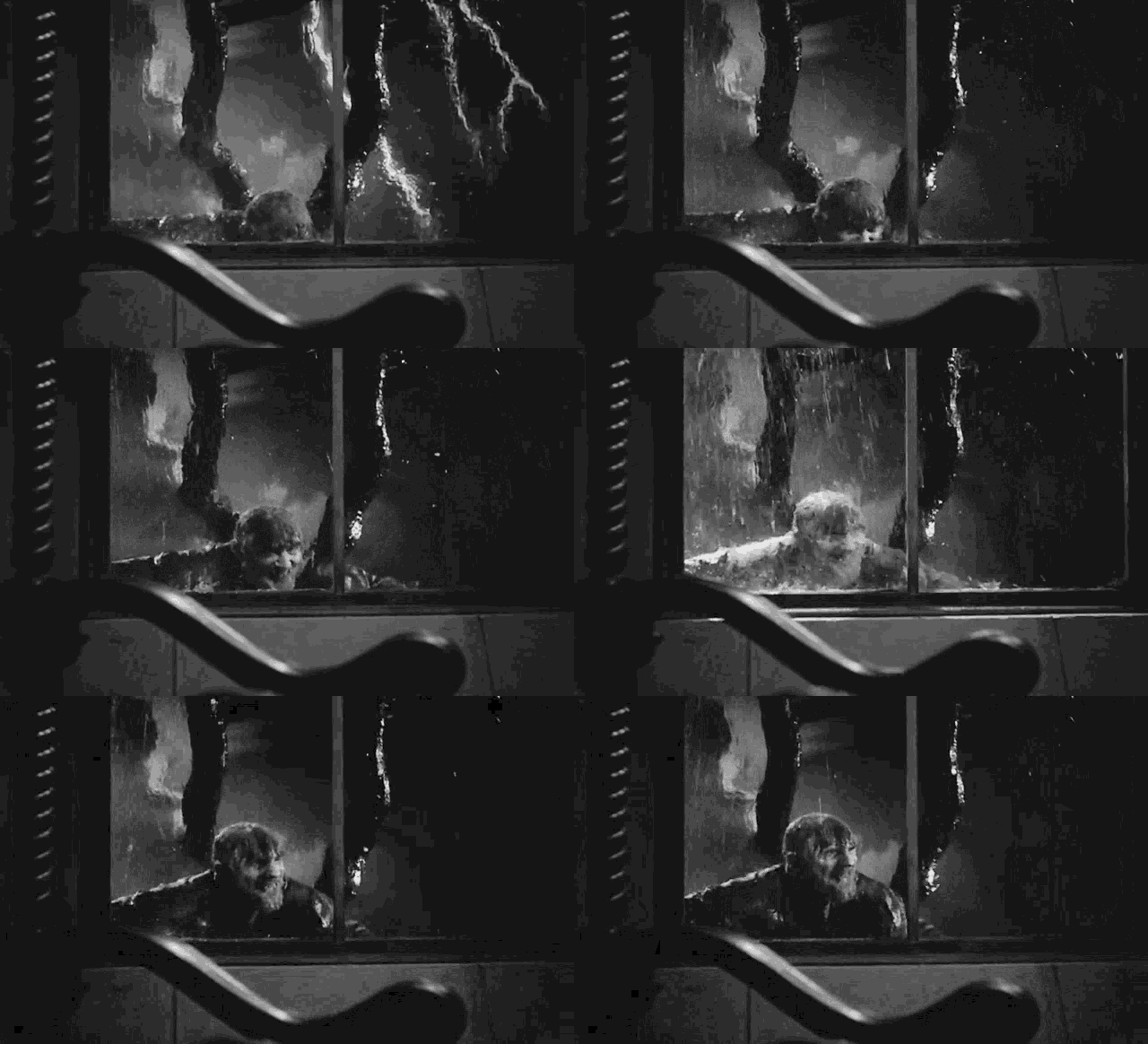
And then there’s today’s topic at hand – the one and only Ygor, the lumbering grave robber who sensationally steals the show in the third installment of Universal’s Frankenstein legacy, Son of Frankenstein. Critics and horror enthusiasts alike praise James Whales’ horror legends Frankenstein and its celebrated sequel Bride of Frankenstein. Sadly though that’s usually where people stop watching the legacy. Probably assuming nothing that followed could match up to the two remarkable films Whales accomplished to make. Daring, frightening, and downright shocking were the first two movies. So much so that when Boris Karloff’s face was first revealed as the monster people hid under their seats in the theater. 

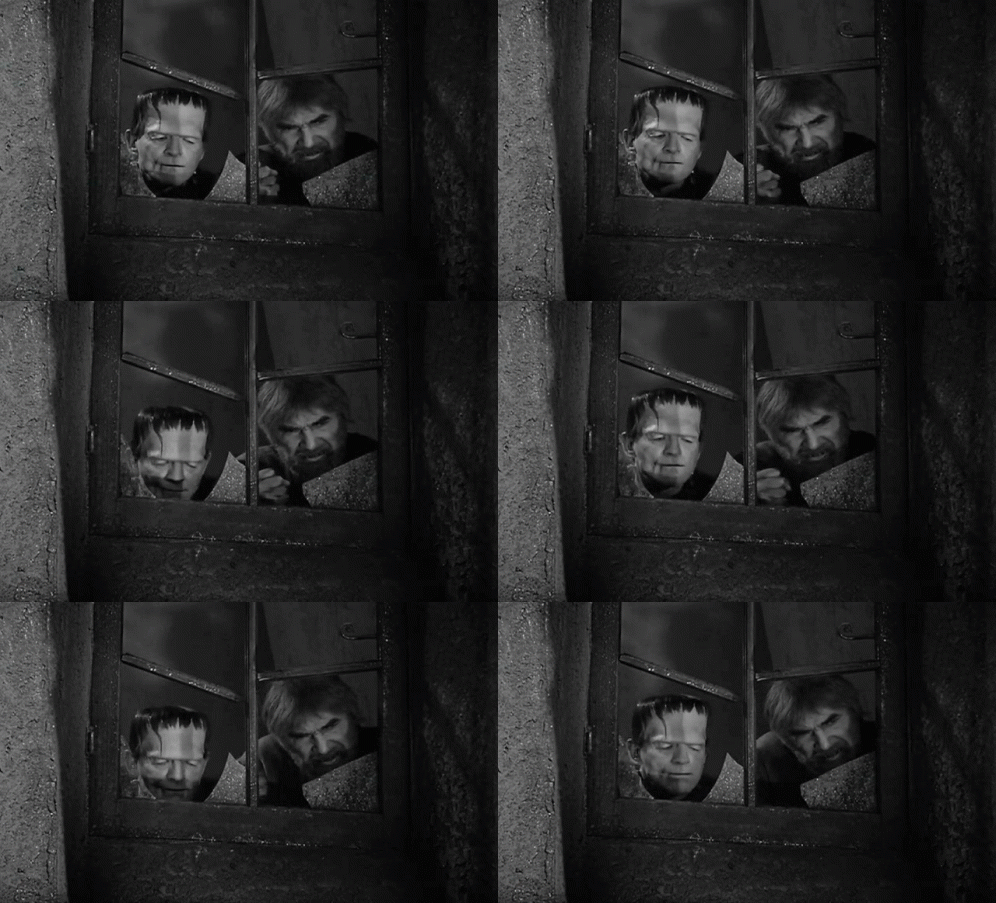
The third installment not only holds up but is just as magnificent as its prior movies. Mainly due to the combined charisma of Karloff and Lugosi working together. Both playing monsters, both shining with macabre excellence, but, if we’re being fully honest here, it is dear ol’ Bela Lugosi who steals the movie and brilliantly outshines Karloff’s uncanny monster. 

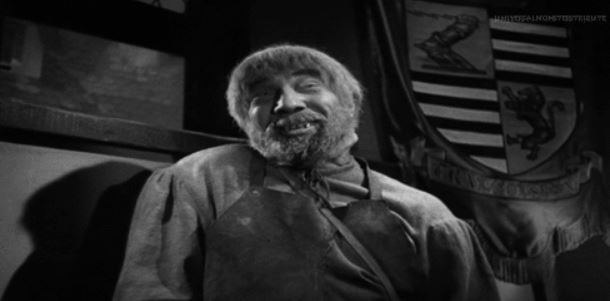
Karloff fought to get Lugosi in the role and insisted the man share in the top billing. Thankfully he won because otherwise the world would have been robbed of one helluva monstrous character! So iconic is Lugosi’s Ygor that to this very day people assume all hunchback lab assistants in gothic horror tales are Ygor.

The truth is the hunchback assistant in the first movie is called Fritz and there was no hunchback in the original novel at all. However, Lugosi immortalized the monster and cemented his hideous grin all across horror history.  Making him a gothic staple just as much as windmills, cemeteries, and crumbling castles.

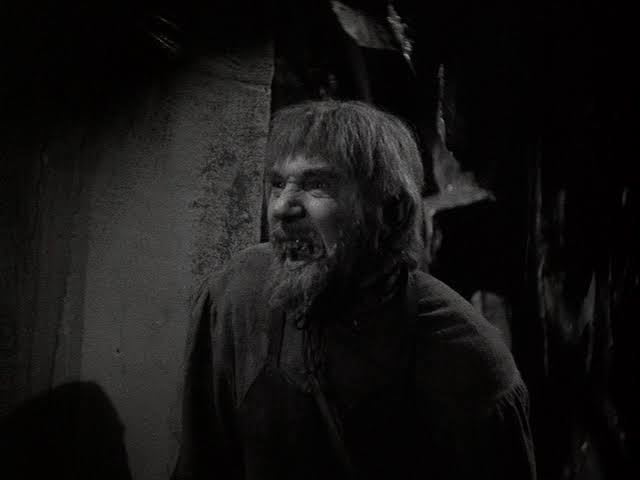
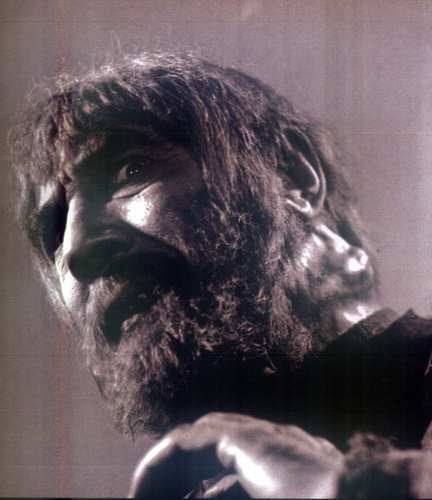
Whereas Dracula was played seriously, grim, and downright dapper Ygor is polar opposite the image. Ygor is grungy, smells like deep earth from the graves he robs, dirty, and hairy. He was hanged from the gallows but didn’t stay dead, a fact to which Ygor gleefully gloats about in the film. “They die, dead! I die, live!” he says with a devilish smile. 

Synopsis

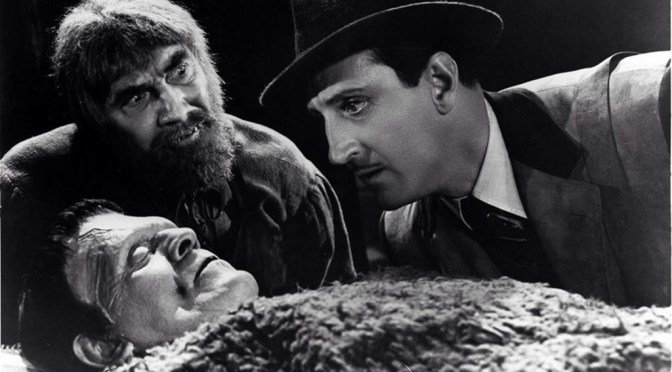
In the film, Basil Rathbone plays the son of Frankenstein returning back to his family castle where the village people are not too happy to have another Frankenstein in their midst. There Wolf Frankenstein (can we please take a moment to marvel at how METAL that name is) is met by a snooping Ygor who enlists the young doctor into reviving the old monster of his father’s making. Reluctant at first, Wolf finally agrees unable to pass up the chance to improve upon his father’s work. Meanwhile, Ygor has befriended the monster and uses him to kill the men who found him guilty and sentenced him to death. So on the one hand Ygor is using Frankenstein to revive his buddy the monster. And on the other, he’s using the monster to avenge his enemies. Ygor is the devil sitting on everyone’s shoulder instigating and manipulating as he wishes. And he’s laughing his ass off as he does it.

Someone said that Ygor is the instigator among all the Universal Monsters and I like that image. I like to think he lumbers around and stirs up mischief among the Mummy and the Gillman. He would steal the Wolfman’s bone and hide it in Dracula’s coffin as a way to make the two fight. Crazy shit like that and if confronted about it he’d just put his hands in the air, shrug his shoulders, smile, and say “Ygor not do wrong. Ygor was gone fishing.” Or something like that. 

Neca’s been releasing the Universal line right now and I’m hoping someone there has the foresight to make us a proper Ygor figure. I’d throw money at that quick as a lightning bolt.

So here’s to Bela Lugosi and the marvelous monsters and giddy ghouls he gave us. If you’ve not seen Son of Frankenstein this Halloween would be a good time to correct that. It’s also the final time Boris Karloff would play the iconic role of the monster and does so beautifully.

Manic out!