Admittedly this is the kind of thing you’d come to expect at the beginning of the year and not a whole month later. However, I have been dealing with health complications and a sheer bout of laziness, which caused the delay. Last year was a fantastic year for me in terms of toy collecting, and there were so many incredible releases. Honestly, it would be a sin not to take a moment to comment on some of the best of the best releases that I picked up in 2023.
Besides, I have a passion for discussing toys whether they be old or new. I’ve also been tinkering with the idea of creating toy reviews for some time now, and this is simply a fun way to showcase some of the most prized possessions in my ever-expanding collection. This list is comprised of items that I’ve personally picked up, so if some more popular items are not mentioned here (Like Warduke by NECA), it’s not from a lack of interest but is simply because I can’t collect everything I see, no matter how much I may want to.
So without further ado here are my top favorite figures from last year
Ultimate Dracula by NECA
NECA did an impeccable job with their Universal Monsters line, and we’re particularly impressed with their work on Dracula. Universal’s Dracula stands as the first talky horror film and quickly transformed Univeral Studios into the macabre House of Horrors. The role made Bela Lugosi a household name and has invaded the nightmares of generations. It’s appropriate that NECA put so much into bringing this iconic character -that means so much to so many horror fans worldwide – to thrilling (un)life.
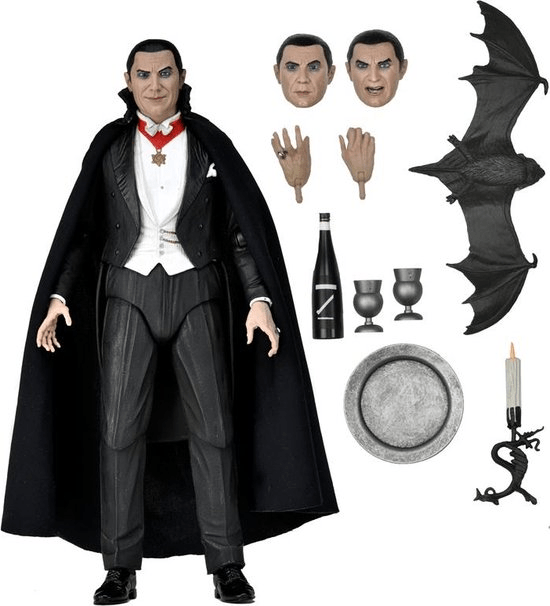
Dracula is my favorite gothic horror. However, at first, I passed on this guy. Somehow the figure in-box wasn’t doing much for me and I almost let this one slip through my fingers. It took a little convincing from my best friend at the time but finally, my iron will caved in thanks to relentless peer pressure and – since Best Buy only had one left – I wound up buying the figure.
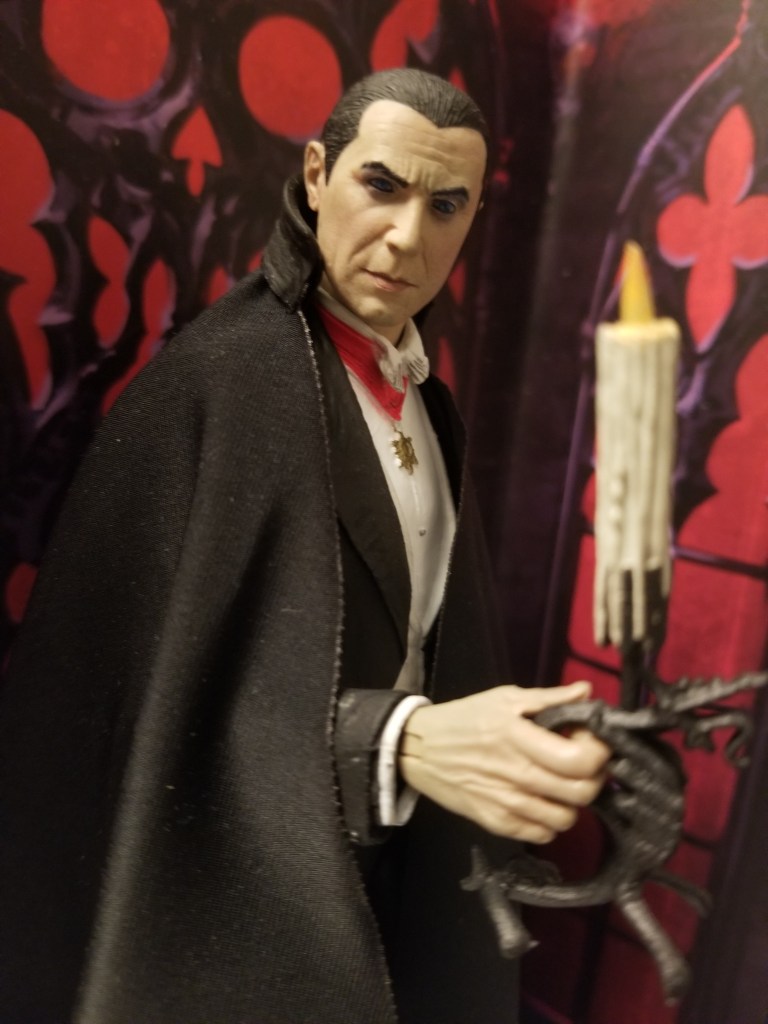
Glad I did too because this figure looks way better out of box. He instantly became a prime set piece during Halloween and I found myself going back to the shelf to check out the Prince of Darkness.

Overall Dracula is home among his brethren and enhances my horror collection
Megatron – MDLX

I love what MDLX is doing with the Transformers line. Of course, I also recognize how controversial that is to admit. I’ve gotten some slack from my fellow collectors (and especially from Transformers fans) over my thundering hard-on for the MDLX line. Those who criticize the line justify their irritation because the toys do not in fact transform. ‘That defeats the purpose’ they say.

Well, I don’t give a flying fuck through a rolling Fruit Loop about that. I already owned a pretty sweet Megatron that does transform into an intergalactic battle tank.
What I love about the MDLX line is all the amazing points of articulation their figures come with. Seriously, Megatron stands as a dominating work of art on my shelf thanks to all the many (and imposing) stances the figure can take. Not to mention how the metallic sheen of the figure gives him an intimidating adamantium presence. Also, this guy has some serious weight to him and doesn’t feel all flimsy and loose.

The battle between the Autobots and Decepticons continues on.
Serpentor – G.I. Joe Classified

When I was a little kid, I wasn’t a die-hard G.I. Joe fan, but I always thought the characters looked cool. It wasn’t until I saw Serpentor at a local Hills store that I became interested in the series. Serpentor was dressed in golden armor that resembled a cobra, and I was instantly drawn to him. At the time, I had no idea what his role was, but I knew that I had to have him. Fortunately, I was visiting my Granny, and she saw how mesmerized I was with the figure and bought it for me.

When I used to play with Serpentor, I didn’t know who he was, so I pretended he was an evil sorcerer. His appearance suited the role. It wasn’t until I became an adult that I discovered that Serpentor was, in fact, the EMPEROR OF COBRA! This imperial threat to all mankind was brought to life by combining the DNA of the world’s most ruthless warriors and tyrants from throughout history. Genghis Khan, Attila the Hun, and Alexander the Great are just a few of the historical figures that make up the genetic code of this badass villain

Last year, I was floored when they announced the return and intended update planned for Serpentor. The cruel leader of Cobra was making a comeback and, just like before, I couldn’t help but be captivated by him. He’s the nostalgic figure I remember but masterfully detailed now. Honestly, I never thought I would own this guy and couldn’t believe my luck when I found him at a toy show. However, I have to admit, that even if this wasn’t in my personal collection, it would still be one of my favorite toys released last year.
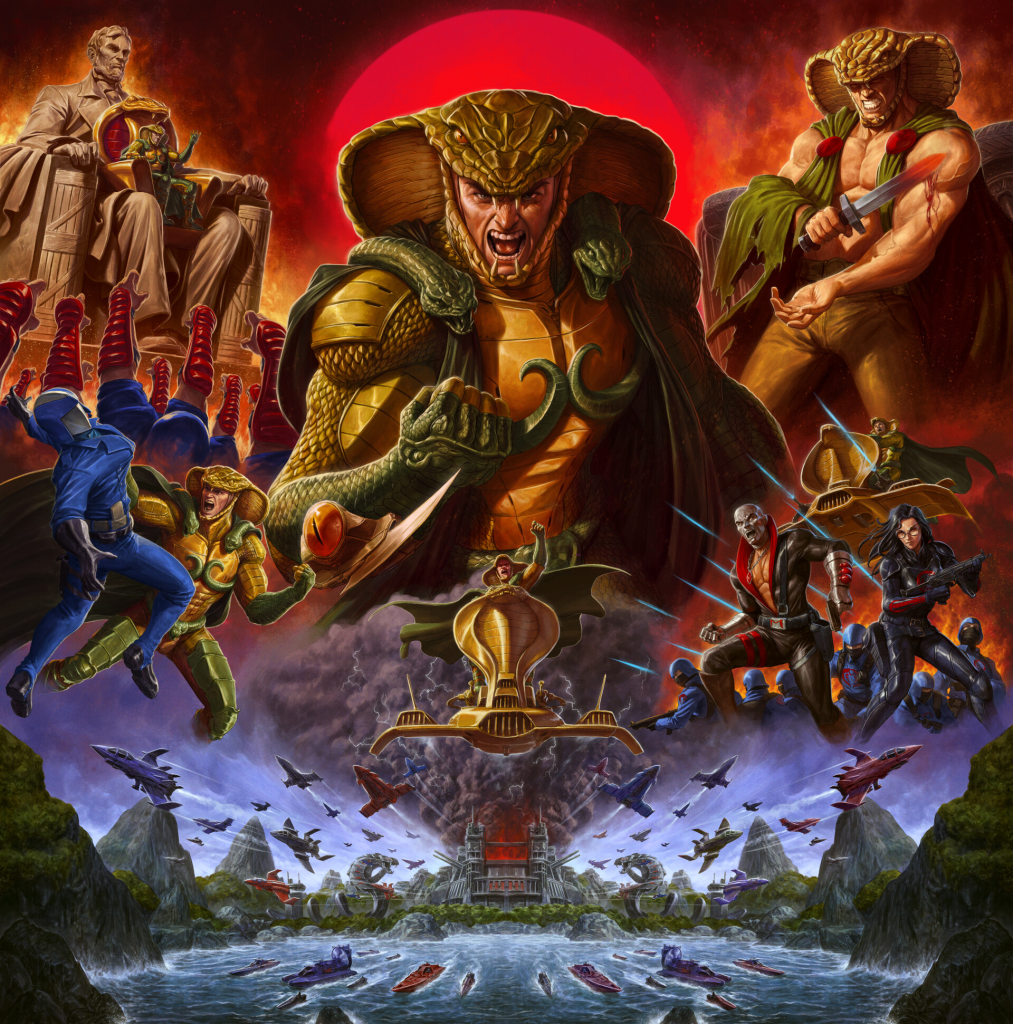
Like many other items on this list, the packaging really drew me in and proves to be half the value of the figure itself. This is nothing short of a work of art. I mean it’s so good it’ll stomp your face into the ground. It’s something I want to frame on the wall and make every guest who walks in bow down to it.
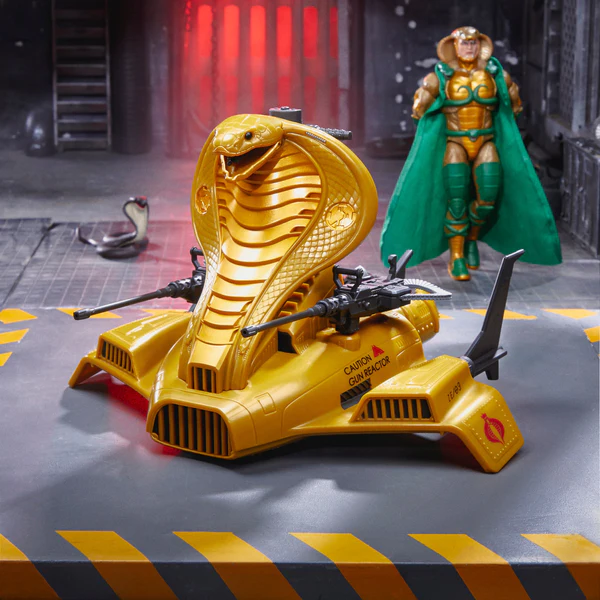
Overall the figure lives up to its imperial title and even comes with his infamous air chariot shaped like a divine cobra. Otherwise, you’d have to buy that stupid thing separately so I appreciated the fact it was included. I hadn’t bought anything G.I. Joe-related in decades, but after purchasing Serpentor, I was compelled to then go get Cobra Commander and a few other members of the Cobra organization. Anything that impresses me enough to suddenly build upon its franchise out of the blue has really done its job a little too well. Way to go, guys.
Edgar Allan Poe’s Masque of the Red Death – Figure Obscura, Four Horsemen Studios
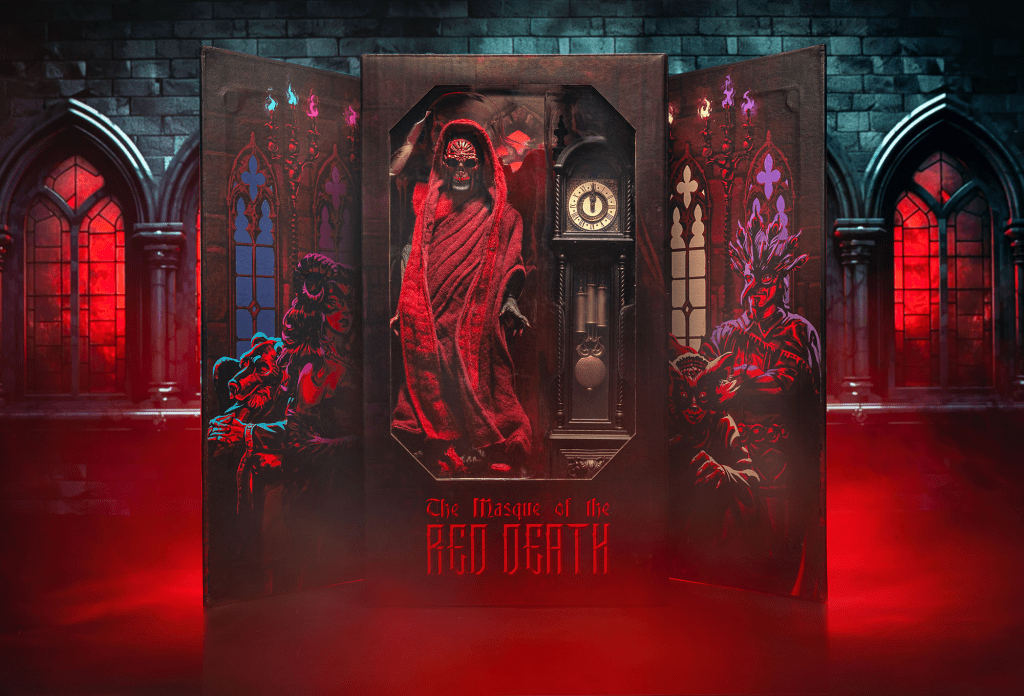
I’m currently obsessed with the amazing holiday-inspired figures released by Figure Obscura over the past few years. Their Krampus figure, released a few Christmases ago, really caught my attention and since then, I have been eagerly waiting for their annual special figure releases for Halloween and Christmas. I already got my hands on the Headless Horseman figure that was released for Halloween in 2022 and it is one of the top 10 figures in my collection

I couldn’t resist when they announced that their Halloween 2023 release would be based on my favorite Edgar Allan Poe story. The figure itself is both macabre and beautiful. The haunting Red Dead is a thin ghoul draped in a blood-like shroud, standing upon an issue of flowing blood that spreads from beneath an obsidian grandfather clock. The figure awaits to carry the damned away in his scarlet embrace. I particularly like how a raven adorns the crown of the clock, which is yet another nod to the great writer’s dark imagination. Anyone familiar with this gothic horror tale will recognize every reference included here.

It’s worth noting that the figure comes with a beautifully illustrated copy of the Masque of the Red Death, which might be new to you if you’re unfamiliar with the story.

The artwork on the packaging of the Red Death is exceptional. There are several backdrops available that you can use as a background, including one that I personally use for Dracula. Figure Obscura is a game changer and I’m excited to see what they release this Halloween.
Eastman and Laird’s Teenage Mutant Ninja Turtles by NECA

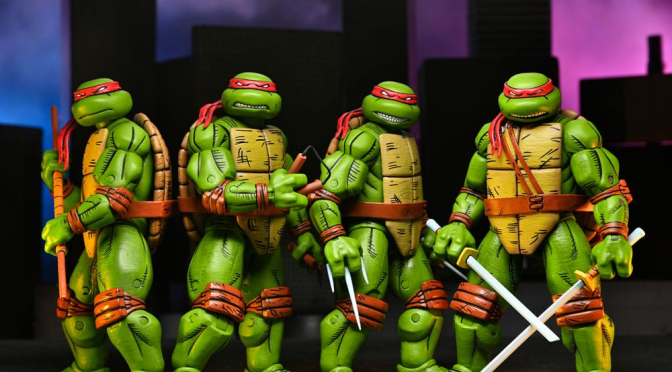
When NECA does something right they really, and I mean really, do it right. One of the best things to come out last year was their insane four-pack release of the iconic heroes in a half-shell inspired by the Mirage comics.
Wow… just WOW! This is a must-have for any TMNT collector. Especially if you love that retro look. Each of the four figures is high quality and comes with their signature weapons as well as a set of ninja stars and other weapons just to really kick it to the Foot.

NECA is well-known for its various Teenage Mutant Ninja Turtles lines. They’ve released TMNT movie-inspired figures, cartoon-inspired figures, and even video game-inspired figures. NECA and TMNT are symbiotic at this point. However, out of all the turtles they’ve released, the only set I had to buy was the Eastman and Laird release seen here. Maybe I’m biased, but in my opinion, nothing NECA’s released beats this radical four-pack
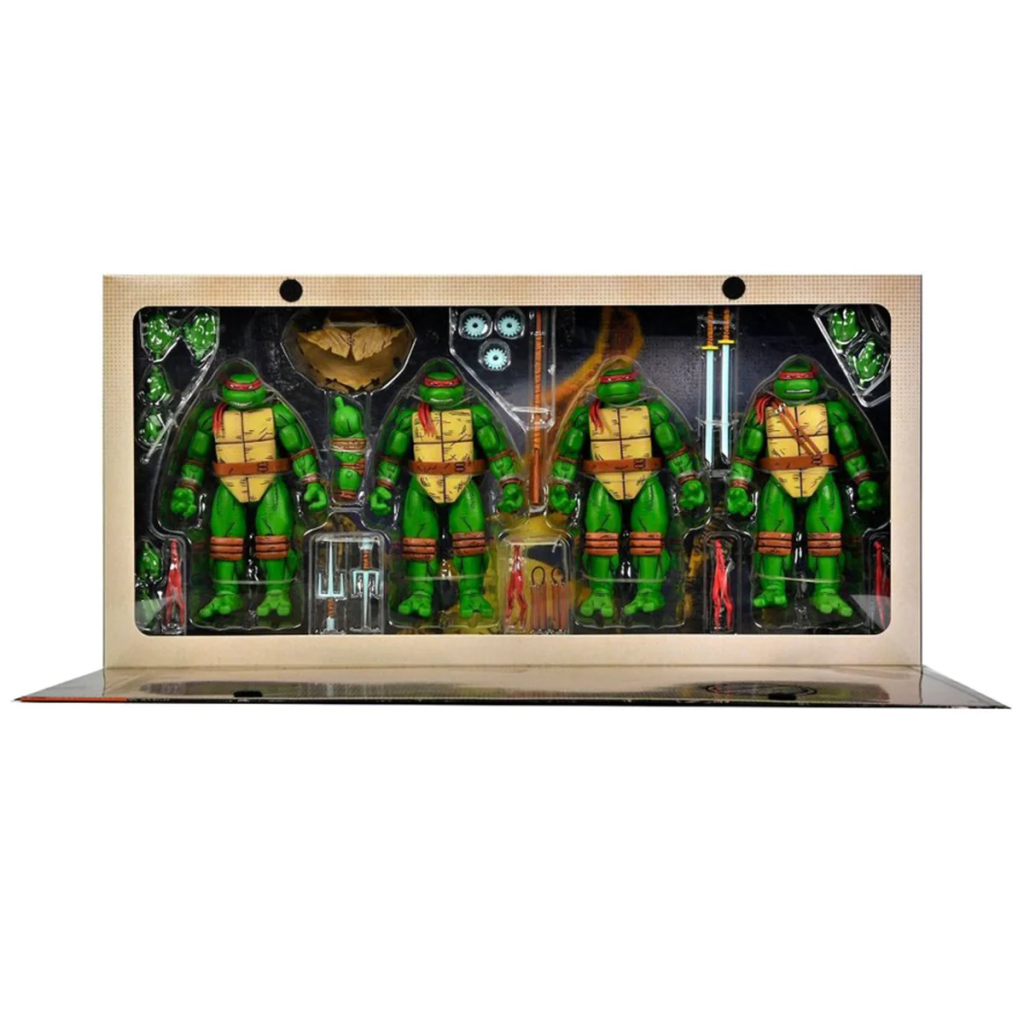
I originally bought this four-pack as a birthday gift for my cousin but ended up loving it so much that I had to buy one for myself as well. NECA did an excellent job with this product, and it was worth spending my money twice for it

Regarding the topic of Teenage Mutant Ninja Turtles, two other NECA figures deserve an honorable mention: battle-damaged Shredder and The Last Ronin armored figure. In my opinion, the turtles’ diorama wouldn’t be complete without Shredder as their main adversary. Moreover, The Last Ronin figure represents the future of the turtles, which makes it an essential addition to the collection. All these elements tie in to create a cohesive storyline.
Deluxe Skeletor – Mondo

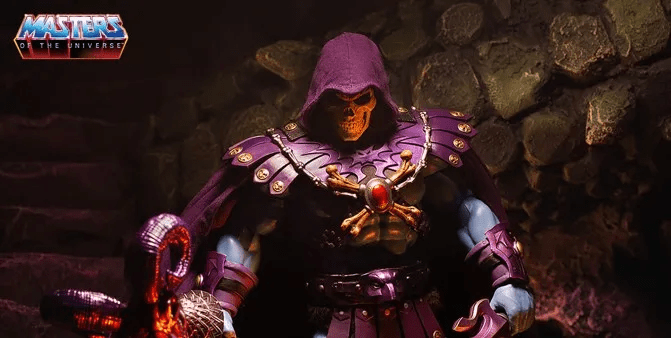
It should honestly come as no surprise that my favorite figure of 2023 is Skeletor, my all-time favorite villain. To think I almost missed the opportunity to purchase it, but thankfully my best friend helped convince me to secure a pre-order just in time.
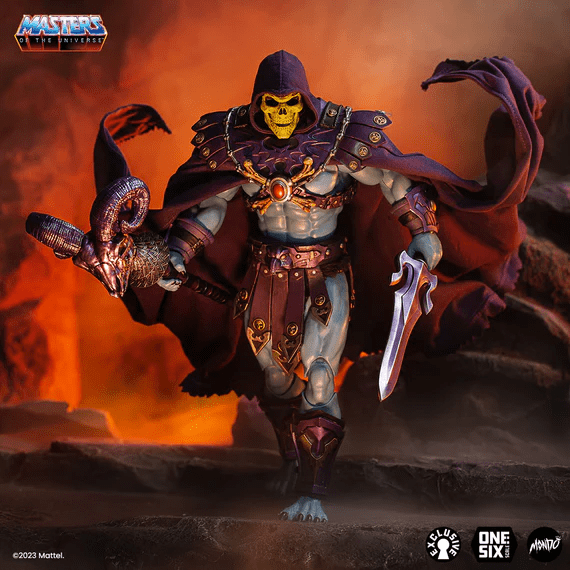
As for my overall toy collection, I primarily focus on Masters of the Universe (shocker there right?) and it’s not limited to the vintage line alone but also includes figures/vehicles/playsets from Origins, Masterverse, and Classics. Each line holds a special place in my heart and all for different reasons be it quality or nostalgia, but the stuff Mondo puts out there, in my opinion, is the best of the best. I keep saying that if Classics is the gold standard then Mondo is the platinum.
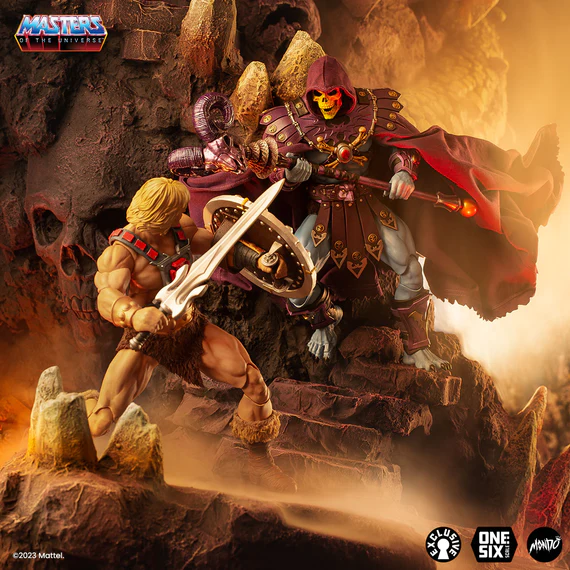
Even though I’ve never really been fond of the 1:6 scale, I make an exception for Mondo since their figures are of exceptional quality. The size of the figures enables you to appreciate all the intricate details that make them stand out above anything previously yet seen. I mean I was staring at the little details etched into the rings of the Havoc Staff.
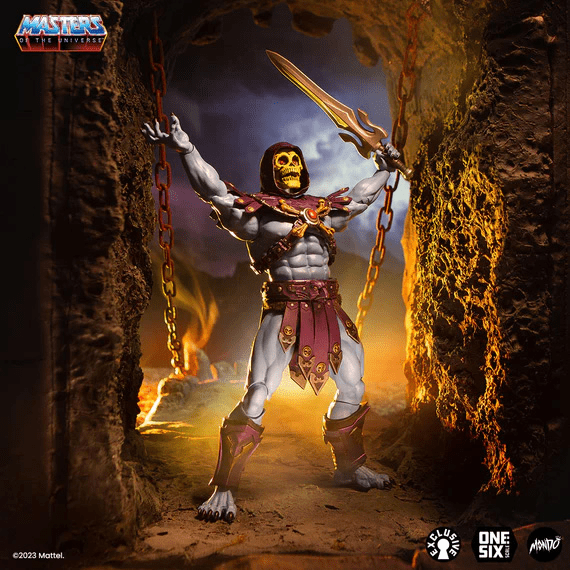
I keep finding little details like that to awe over. I love that a metal vertebra is decorated on the back of Skeletor’s chest guard or how skulls adorn each of his leather straps.
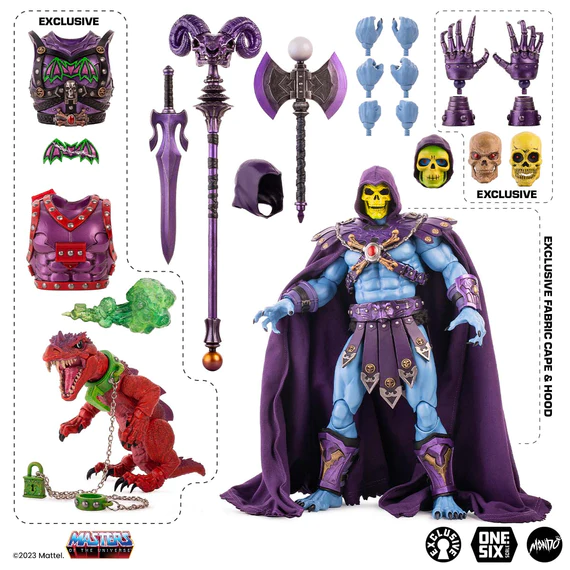
This deluxe version of Skeletor is also highly versatile which basically makes him three figures in one. Firstly, you get the classic Skeletor look and a wired cape that offers your figure a more regal appearance. You can also remove his harness and give him that awesome Battle Armor assemble.
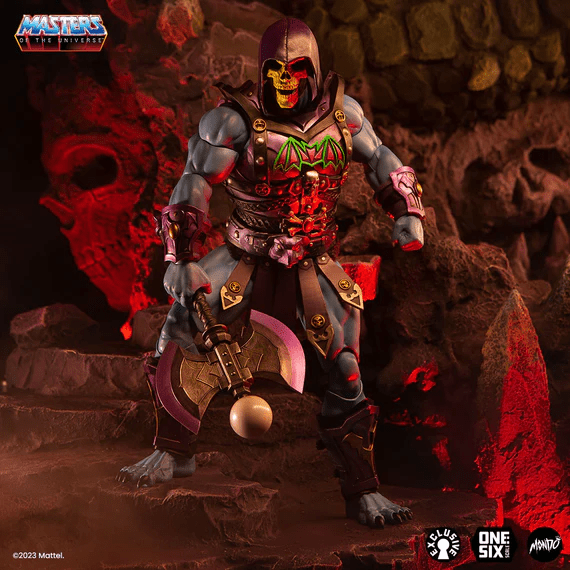
Alternatively, you can equip him with his dragon armor that comes with the lethal dragon which has the power to spit toxins at the Masters. The dragon is articulated (which he didn’t need to be so nice touch, Mondo), has real chains, and comes with attachable toxic fumes that can be fixed to the beast’s maul.

It’s also worth noting the figure comes with a pair of Terror Claws, so in essence, Skeletor offers four iconic variants in one figure.
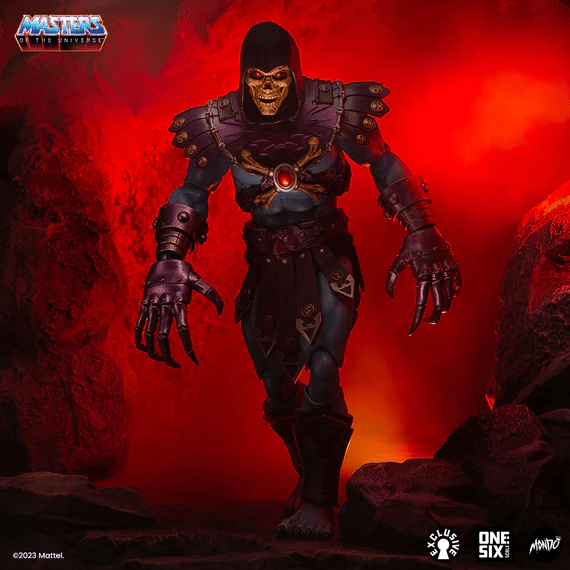
This is as close to perfection as I’ve ever seen in a single figure. I’m amazed by the fact that MOTU’s celebrated 40 years and still to this day companies like Mondo can still floor fans like me with something as incredible as this single figure.
With 2024 just starting out the year’s already proving to be amazing for collectors what with the Turtles of Grayskull (a fusion of MOTU and TMNT) already on their third wave and Mondo’s deluxe Orko preorder come and gone. Who knows what will prove to be my absolute favorite stuff this year? Time will tell.

What about you? What did you add to your collection last year and what really stood out? Be sure to let us know in the comments. In the meantime happy hunting, fellow collectors!
Manic out!