Tag Archives: classic horror

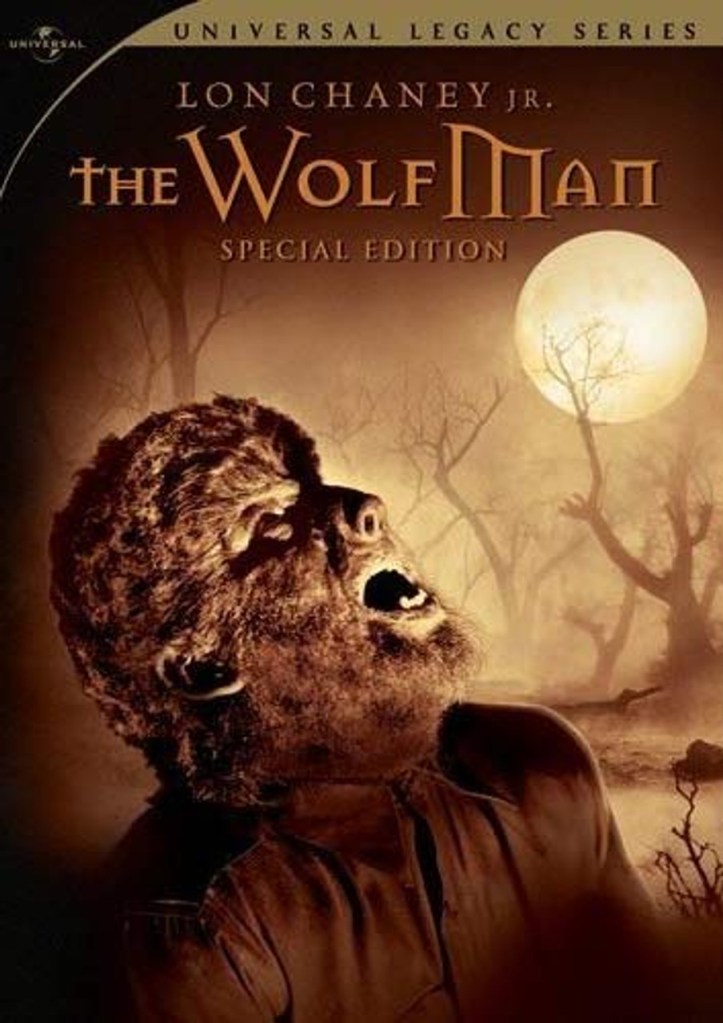
The Wolf Man’s Unstoppable Legacy of Terror

It’s that time of year again – arguably the best season of all! A time of longer nights and shorter days. A season fraught with nightmarish landscapes! Skeletons hang silently from banisters like cadavers strung over a hangman’s gallows, neighboring lawns – the same ones we pass day in and out – become overnight graveyards, masked ghouls take to the streets seeking treats, and inhuman voices howl at autumn moons. The season of horror and the hour of monsters is again upon us.

Horror fans don’t have to wait a whole year to indulge in the inner beasts that drive us, but this time of year makes it much more fun to embrace all things macabre. With Halloween approaching, I’ve decided to continue my tradition of focusing on a specific legendary monster. This year, my fangs are bare and I’m going for the jugular with Universal Monster’s Wolf Man.
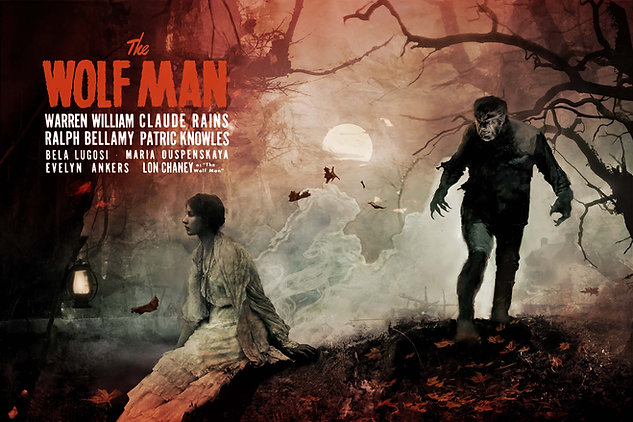
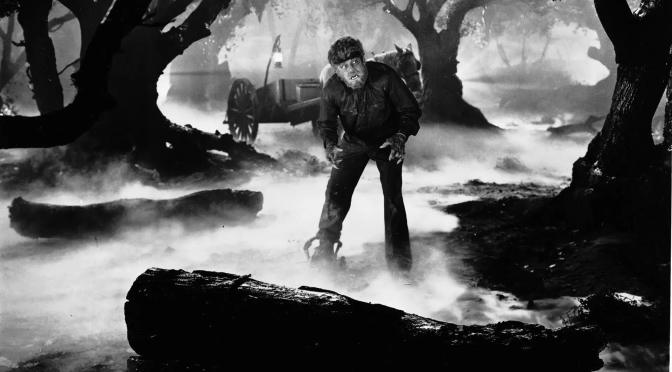
The film stands as an early example of body horror, showcasing our protagonist’s human form abandoning its natural grace and becoming grotesquely animalistic. Bones break and rearrange, skin tears and fur grows, nails curl blackly into sharpened talons and teeth sprout from a beastly maul hungry for human blood. Human anatomy is mutilated until a man becomes an accursed beast trapped under the gossamer shine of a haunting moon. Such is the horrid fate of the werewolf as we know it today. And nearly all of our knowledge concerning werewolf lore draws from the imaginative concepts introduced in this classic horror spectacle.

The movie takes its viewers on a dangerous journey across haunted moors and a gypsy camp where old magic still rules the night and locks all under a gloom of superstition and existential dread. This distant land of mysticism is shared by resplendent mansions and modern conveniences, which, intentional or not, leaves us a message – the modern day of science and progression is not protected from the old curses of a much more powerful world still lingering on the outskirts of society. The moors hold their secrets and the practitioners of the old ways know more than modern mankind when it comes to safeguarding against primordial haunts and horrors. This lesson our protagonist, Larry Talbot (played by horror royalty Lon Chaney Jr.) all too soon falls prey to.
We’re entering the violent world of the Wolf Man and only a silver bullet can protect you from that haunter of night. Lock yourself behind an iron gate and say your prayers he’s not picked up your scent.  

“Even a man who’s pure at heart and says his prayers by night, may become a wolf when the wolf bane blooms and the autumn moon is bright.” – The Wolf Man
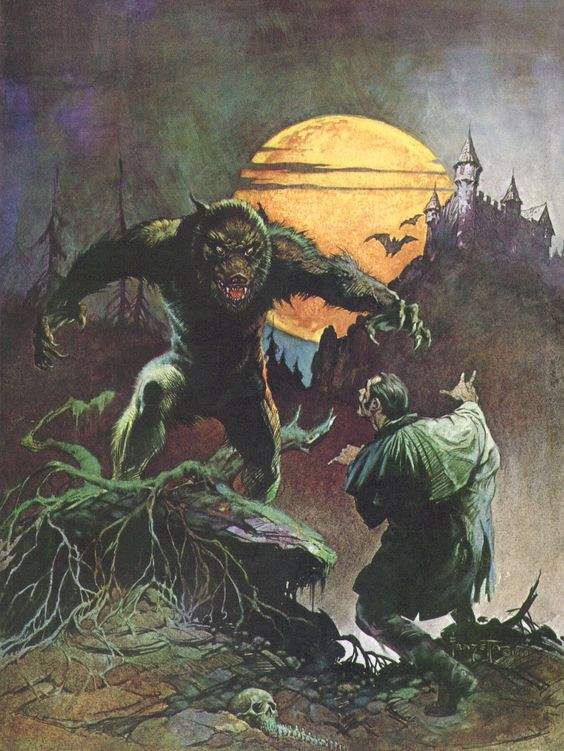
artwork by Bernie Wrightson

The plot is one of pathos. Much like the other demons of Universal Studios’ House of Horrors, this monster is another lamentation of lost innocence. Larry Talbot has reluctantly returned home to his father’s house (here played by acclaimed actor Claude Raines who starred in The Invisible Man and later Phantom of the Opera) and it’s not long before Larry’s struck by otherworldly powers.

In many cases, victims in horror movies often get exactly what they’re looking for. A puzzle box that opens the labyrinths of Hell, an Ouija board, calling out the Candyman’s name five times, or simply exploring a house said to be haunted are all examples of how curiosity can lead to dire consequences and make for some really good scares. However, this is not the case with the Wolf Man. He neither went seeking to become a wolf nor was he even the intended victim of the werewolf’s bloodlust.

Larry brings Hell down upon himself by simply being a good Samaritan. Hearing the distressed cries of a woman being attacked in the woods Larry rushes out to help only to find she’s being attacked by a wolf. With no thought to caution, Larry throws himself between the beast and its prey and quickly becomes the new object of its rage.

Unbeknownst to Larry this isn’t a mere wolf which would’ve been bad enough. No, this was a werewolf. Larry wins the fight and kills the beast but doesn’t walk away as a victor. He’s been bitten and we all know good and well what that means for poor Larry.
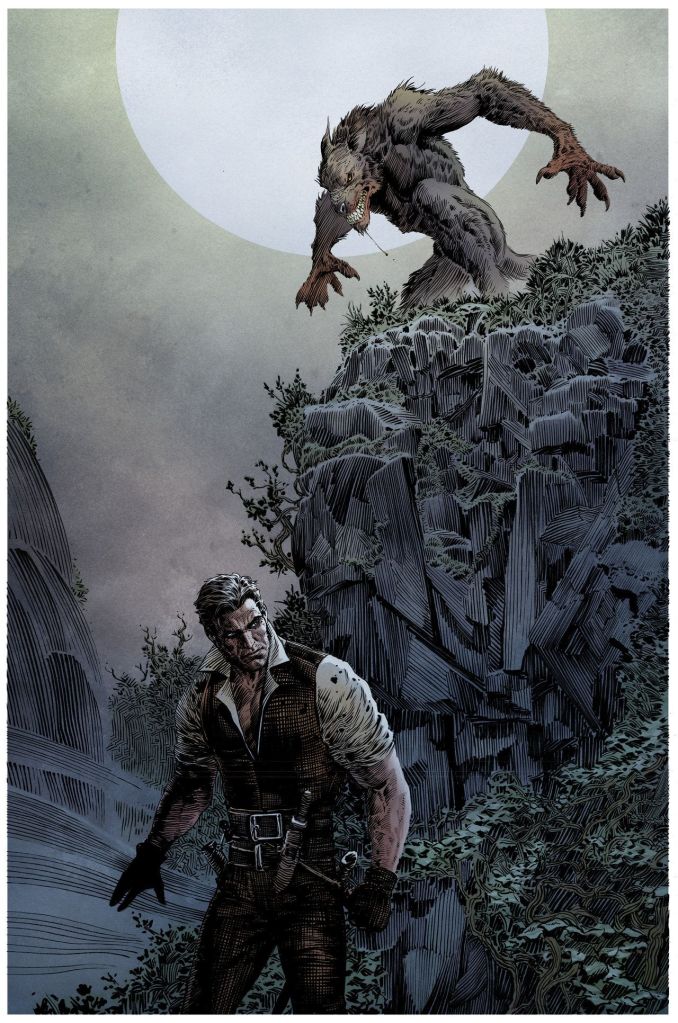
His selfless act of valor ends up cursing him to the beast’s possession. A murderous rage soon takes over his mind, eating away at his senses and sending him out into the night to hunt down and kill all whom he holds dear. It’s a story of sublime pathos if ever there was one and that’s the silent genius of the movie’s timeless strength.

This ingenious concept – that still holds up in every werewolf movie to come out after Universal’s feral classic I might add – is all due to the insight of one man – the movie’s screenwriter, Curt Siodmak. Of course, werewolf lore existed before the movie’s release and this wasn’t even the first werewolf movie out at the time. Werewolf of London had already come and gone but ultimately didn’t enjoy the success Wolf Man managed. This is due to the personal touch of sadness Siodmak put into his screenplay.
Siodmak’s youth was ravaged by sudden tragedy as his home was overtaken by men and women who turned hostile and monstrous against him and his own kind as if overnight. Being Jewish Siodmak saw his neighbors and acquaintances transform and give in to bestial instincts. Jewish people were forced to identify with a star, a symbol that later on would mark them for death. It’s no wonder then that in his screenplay the Wolf Man can see a pentagram star appear on the palm of his victim’s hand, a sure mark of death for the innocent and unsuspecting victim.

This harrowing environment stayed with Siodmak well after his family fled Germany and elements of it settled into his imagination and went on to create one of the most enduring movie monsters of all time. So powerful was Siodmak’s vision that Wolf Man DNA can be seen in every werewolf movie to follow. Before Wolf Man people turned into a werewolf by eating a poisonous plant or by magic herbs. But now all of a sudden a man bitten by a werewolf (and lived) would join the demons of the night in a rampage of grotesquely.

Wolf Man also introduced the idea that silver is lethal to werewolves, as well as the concept of transformation during a full moon. These elements contributed to the foundation of many iconic and cult werewolf films, including Silver Bullet, The Howling, An American Werewolf in London, and Ginger Snaps. All of these “wolfy” favorites draw on the concepts established in this classic Universal horror film.
In short, what Bram Stoker did for vampires and George Romero did for zombies Siodmak did for werewolves. Ask anyone: how do you kill a werewolf and they’ll tell you a silver bullet. Same goes for how we all know a werewolf transforms on full moons. These monster facts are rooted securely in our cultural zeitgeist and that’s something very, very hard to pull off. And so we salute Siodmak, a man not very well known among horror fans, but, maybe that can change, because had it not been for his imagination and insight we would’ve been robbed of one of the most enduring movie monsters to ever go tearing across the screen.

Is Universal’s Wolf Man a perfect film? Hell no, of course not and I’m not gonna pretend it is otherwise. But it serves perfectly on my annual Halloween watchlist. It doesn’t have to be perfect to be effective. Its moody atmosphere and eerie imagery are all perfectly Halloweeny and if you’ve never seen it you’re missing out on one of horror’s essential foundations that set the criteria for the genre.

Remakes of the Wolf

Wolf Man (2010)
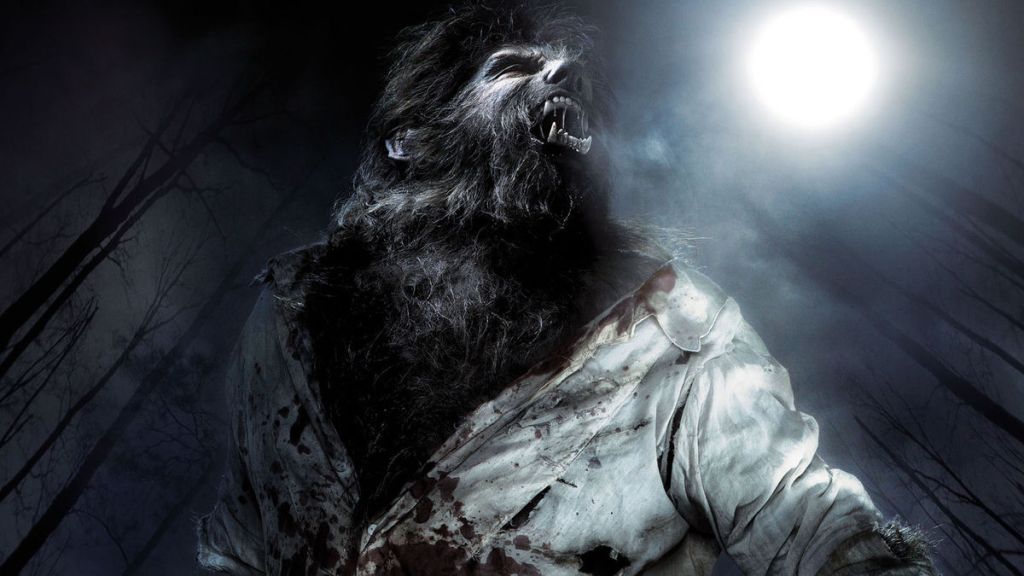
I honestly don’t hate the 2010 remake. I saw it at the theater back when it came out. I also just ordered the Scream Factory special edition release. I think it’s a good retelling of the familiar classic with some decent (honestly gotta say shocking) gore. I also like how the Wolf Man looks proving once again that Rick Baker (American Werewolf in London) is the monster maker. It’s an updated vision of what Jack Pierce came up with all those years ago and I love it.
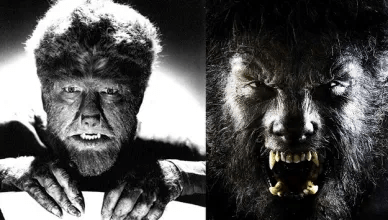
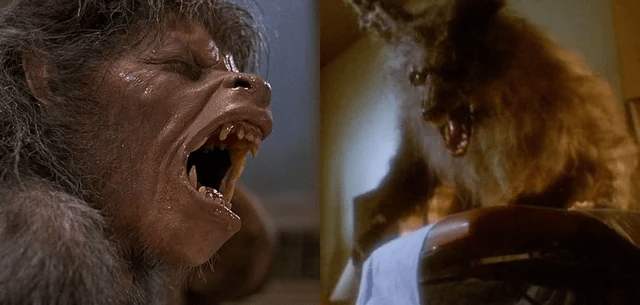
The one glaring fault with the movie is its unnecessary use of CGI. Because the studio had the genius of Rick Baker behind the project there’s no excuse for not letting him be in charge of the werewolf transformation scenes. Compare those scenes to what Baker did with AAWIL and you’ll see what I mean.

Overall does the remake deserve the hate it got? No. I mean comparing the look of its werewolf to that stupid shit Blumhouse is trying to push and yeah. Superior!
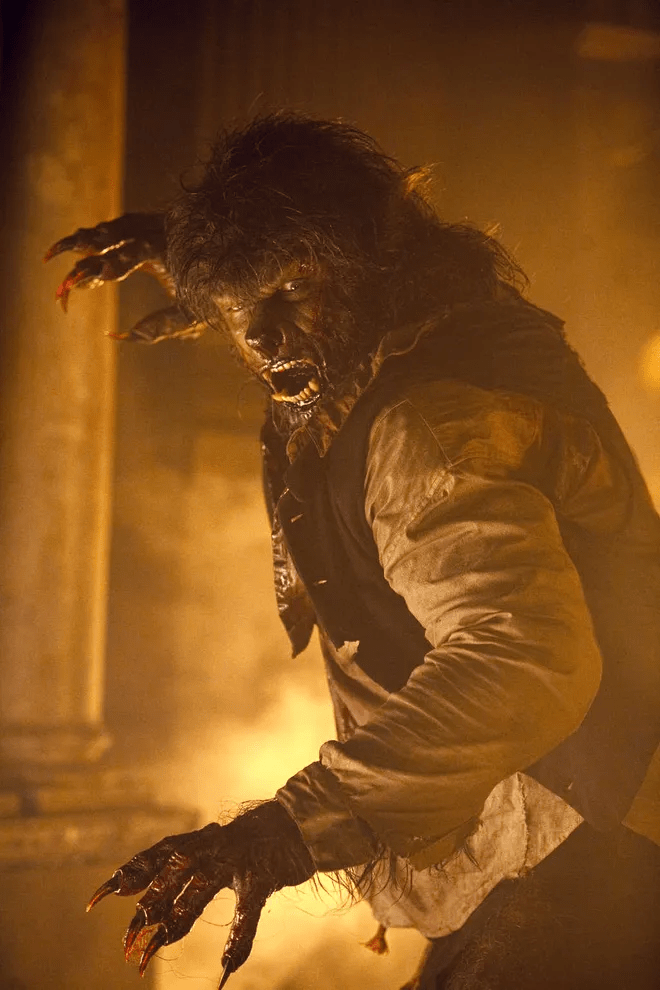
The story closely follows the original film with a few new twists and surprise elements to keep it fresh. Honestly, I say give it a chance.

Wolf (1994)
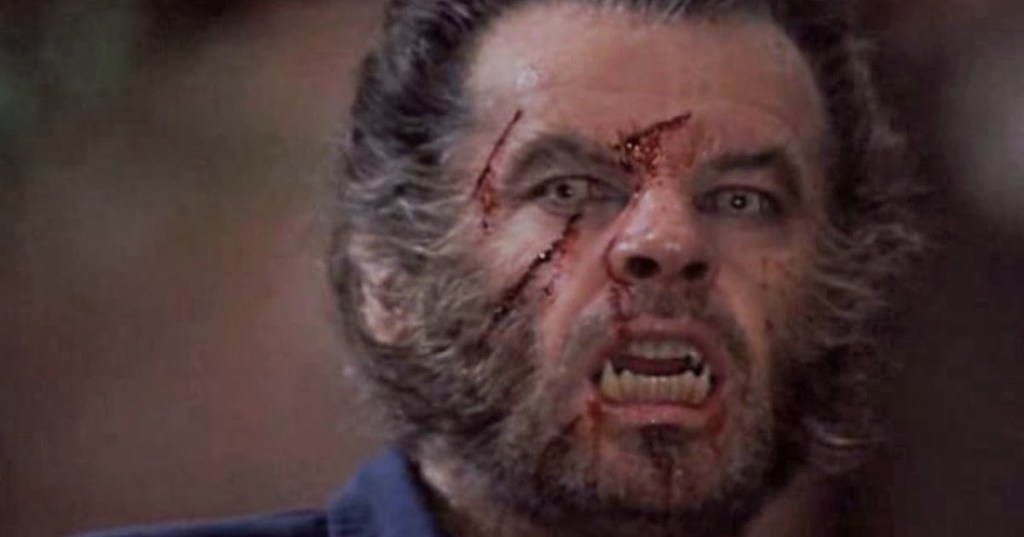
This is a weird one and shocking that it even exists. It’s not a bad movie but it’s just a bit odd. It’s a modern retelling of the Wolf Man and was inspired by the striking success of Bram Stoker’s Dracula and Mary Shelley’s Frankenstein. The ‘90s wanted to restore the audience’s love for classic horror icons with new erotic romance, updated effects, and blood. Woo hoo!

Well, Wolf might strike some (probably most) viewers as a boring journey seeing as how there is no wild transformation scene. Not on the lever of AAIL or The Howling. You also won’t get a full-body werewolf costume like you do in Silver Bullet. Our lead protagonist slowly does turn more wolf-like and will fully become a beast by the end of the movie but it’s nothing at all like what people expect to see.

This time our lead is played by Jack Nicholson (The Shining, Batman), and is no stranger to horror roles or larger-than-life parts. He’s a perfect casting choice to play the role of Larry Talbot but the filmmaker chose to hold back. There’s no amazing monster makeup and Nicholson’s roles in The Shining and The Joker are way more memorable. That’s not to say there’s no monster effects. There are they’re just, well, have a look. They look fine.
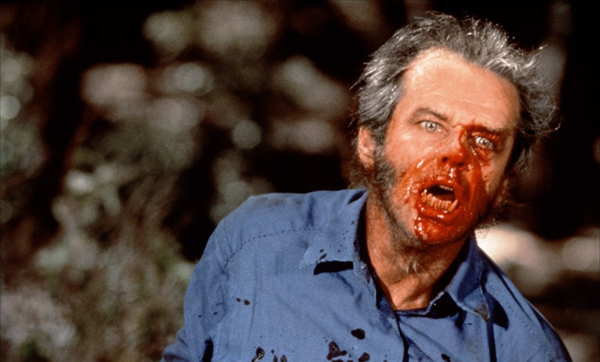
Wolf came out during that weird time in the ‘90s when Hollywood didn’t want to make ‘horror’ films and preferred the term thrillers. Because of this attitude, the movie really feels like a monster movie that’s scared of being associated with being a monster movie. So it misses the point. All that said I do weirdly like it. I mean honestly, I’ve not seen it since I was a teen and I liked it back then. If I rewatched it now all these years later that all could possibly change.
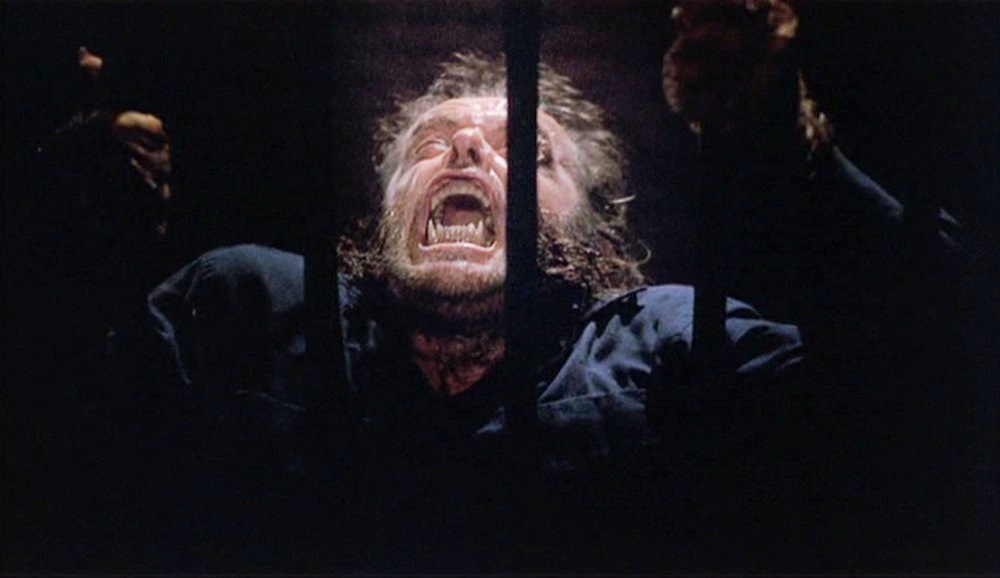
Personally, I’d recommend just watching any other werewolf flick. That or the 2010 remake. If you’ve never seen the original movie I say go give it a watch because I’m a whore for Universal Monsters and have to watch them every year around this time.

Further Recommendations: Sequels
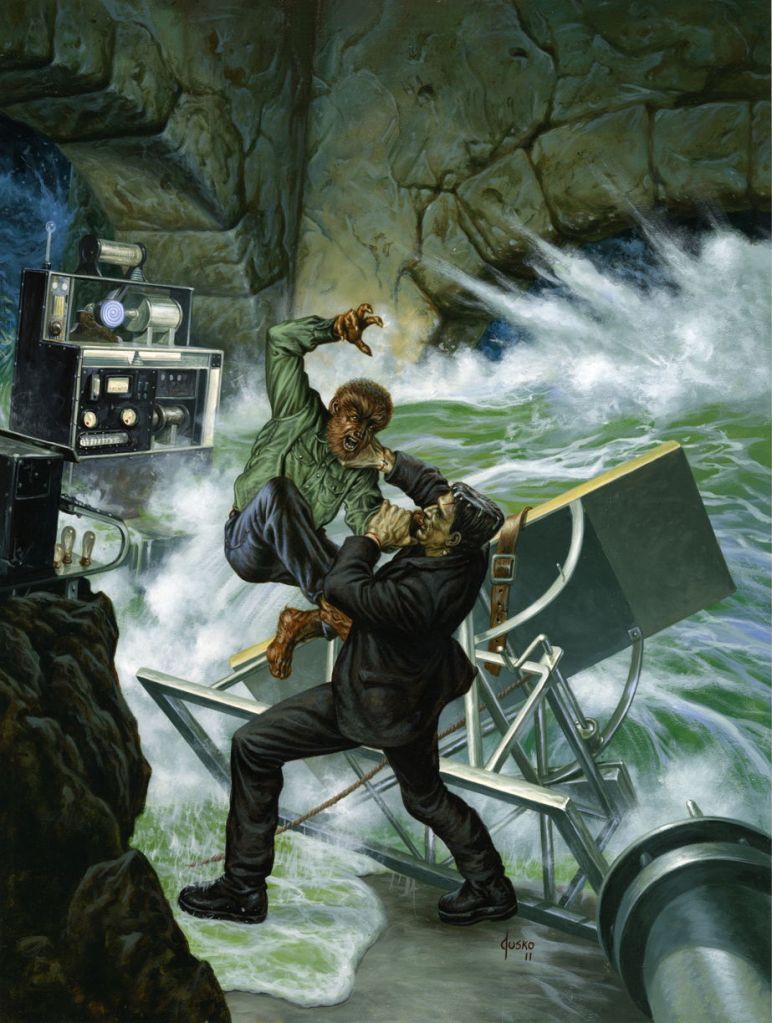
I’d also strongly recommend the Wolf Man’s sequel, Frankenstein Meets the Wolf Man. One of the first times horror icons met up in a fatal fight to the death as the man made of cadavers and the man cursed by the moon are locked in battle. It’s also the earliest example of a shared universe way before Marvel ever acted like they started that shit.
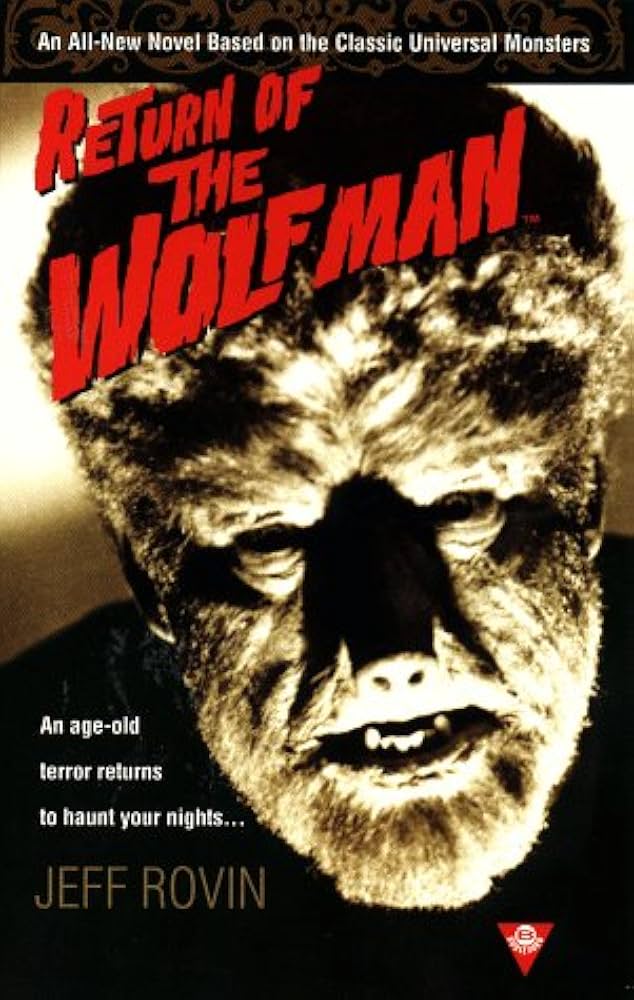
And, if you’re like me and have seen all these movies a dozen times over and still need a lycan fix, I just discovered a novel officially released by Universal Monsters that’s a sequel to the Wolf Man. It’s called Return of the Wolf Man and the book opens up right away with our hairy beast promptly fighting Dracula! Not only that but the Frankenstein Monster shows up and already this is proving to be a wild monster mash well worth the price I paid for it.

Yeah, so about that, it’s sad to say this thing can be pricy as all fuck. I paid $40 at Half Price Books for my (used paperback) copy but a copy on Amazon (last I looked) is going for over a hundred big ones. So yeah… If you happen to chance across this book at a used store or the library I say pick it up.

So that’s it, my nasties. Hope you all enjoyed our little journey into the night to discuss werewolves. You all have a Happy Halloween and watch out when you go out after sunset. If you hear something howling in the dark run as fast as you can. You might get away with your life.
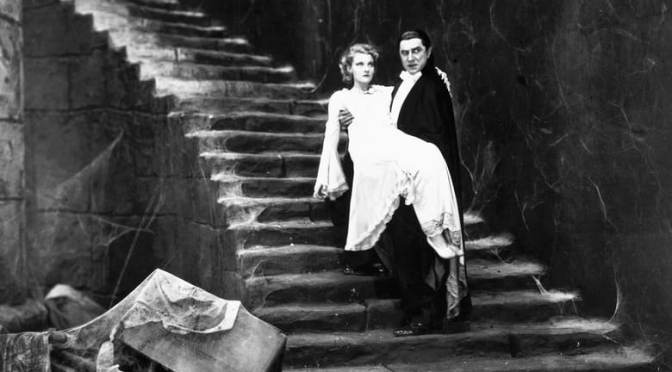
Dracula! Bela Lugosi’s Dark Spell

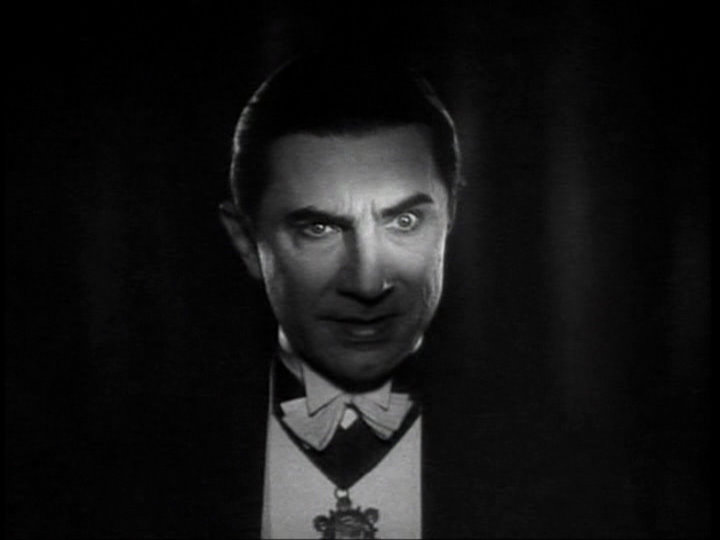
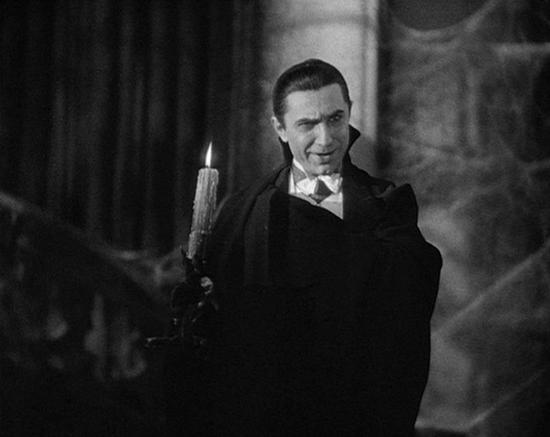
In honor of Bela Lugosi’s birthday (A day late I’m afraid, but better late than never), I’ve sat down to treat myself once more to the fantastical whimsy of the horror film that really started it all, Dracula. No denying the German expressionism films were the pioneers of horror cinema, but Dracula was the very first ‘talky’ horror film. 

The fog crowded scenes and hypnotic visuals of the Count’s foreboding and far-away realm could now be heard as well as seen, and they used sound to their advantage for this eerie new project. Rattling carriages drawn by horses, creaking doors, and hissing bats. Audiences sat dumbfounded by all they heard. It brought the night-shaded horror of Transylvania straight to them. And there was no escape. Horror had entered a brave new era.

There was no going back. Dracula opened a secret door and a monsoon rush of sensational horror films has flooded through ever since. 

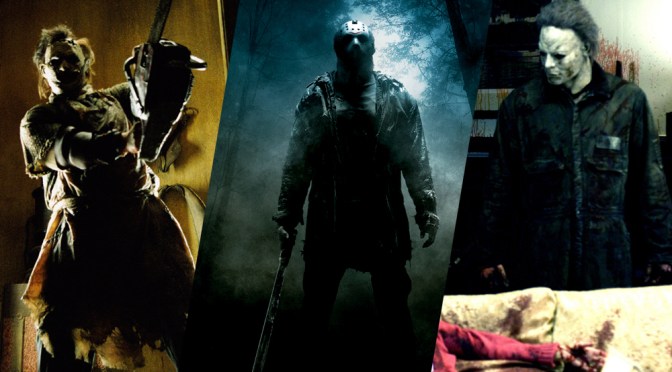
From the cracking whine of a camera in Texas Chainsaw Massacre, the tolling of the bell in Hellraiser, a sing-song lullaby in Nightmare on Elm Street, and, last but certainly not least, the iconic sound Jason makes all stand out in our blood-splattered minds. These sounds immediately take us back to the chills and thrills of the films and are as iconic as the monsters we love.

Dracula began it all.

It’s so easy to get wrapped up in each little minute detail of the film, but I’m no expert on the matter, just an avid fan. Somehow rewatching it this time around reminds me of the first time I ever sat my butt down to experience this macabre treasure. 

image courtesy of Universal, Bela Lugosi ‘Dracula’

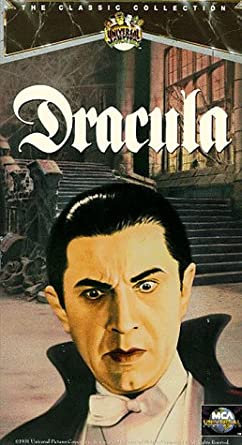
Any of you remember those drop-dead sexy VHS covers Universal released a few decades back for each of their Classic Monsters library?

image via Amazon

One Halloween my mom got me both Dracula and Frankenstein, both of which I’m still proud to say I still own 

I was in 1st Grade and Castlevania had just released earlier that year and was my favorite game. Mom thought it was high time her little Manic watched the very original Dracula movie. I’d seen so many different movies with Dracula in them but never the initial film. That Halloween all that changed. 

I don’t think I moved or fidgeted once. I may have not even blinked! I was transfixed to the glowing screen, it being the only light allowed to remain on, as the living shadows of this gothic epic played out spectrally before my eyes. Sure I was a young kid but the film’s unique majesty and gripping narrative weren’t lost on me. 

To The Prince of Darkness

Now at the end of Bela Lugosi’s birthday, I lift a glass to his eternal legacy. A cheer of thanks and of memories to him.

Against the odds of English not being his native tongue Lugosi pain-stakingly pronounced each word spoken with adjective deliberate concentration. It gave the Count his often mimicked manner of speech and deepened his mesmerizing effect over horror history .

So the imitated accent of Dracula was in fact Lugosi’s Hungarian one. It served the part well.

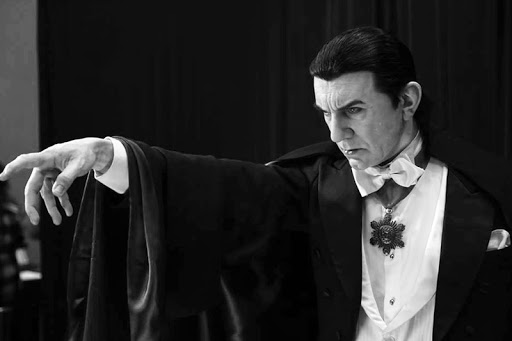
image via belalugosi.com

Lugosi was not the first choice for Dracula, nor was he even the second. A fact that pained the actor considering how he’d played the part on stage and mastered the role to damn near perfection. So when the time came for him to don the vampire’s cape Lugosi fought and earned his right to bring Bram Stoker’s legendary nosferatu to cinematic life.

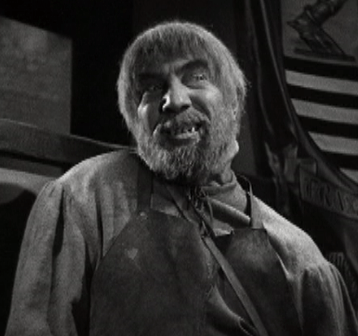
As grand and wondrous as he is in Dracula that’s not, in fact, my favorite of his various roles. That honor goes to his hideously fun part in Son of Frankenstein where Lugosi ditches the cloak for a huched back. Playing the nefarious Igor, Bela Lugosi shines and steals the show!

image courtesy of Universal, Bela Lugosi ‘Son of Frankenstein’

I feel that Igor allowed the man to show his more playful side. Even though his face is hidden beneath a ratty beard and layered of makeup the man can’t help but bristle with fun and life. He never loses that sinister sparkle in his beady, little eyes nor that vicious smile.

You know what? Stop right here. If you’ve not seen Son of Frankenstein then I insist you go do yourself a favor and correct that right away, my Nasties. Go watch Uncle Lugosi have the time of his life!

Bela Lugosi had both magnetism and charisma. Not unlike the genius of Lon Chaney before him, Lugosi could captivate people on a whim.

image courtesy of Universal, Bela Lugosi ‘Dracula’

Those who knew Lugosi said he carried an unearthly mystique about him. He would enter a room and every eye would gravitationally be drawn to him.

He was indeed Dracula, so much so that he was even buried in a cape echoing back to his most treasured role. 

Hope you’re enjoying this witching season, my Nasties. And I hope that in your Halloween movie watching you have a chance to pay respect to Lugosi’s devilish spell over horror history.

The Doppelganger Effect: The Horror of Remakes!

Chances are if you’re a long-time horror fan you’ve lived to see your favorite horror movie fall under the Remake Guillotine. ‘Guillotine,’ I think that’s somewhat fitting. Makes the process sound just as scary as we imagined it would be. We dreaded the news that Halloween, Poltergeist, The Omen, Fright Night and Last House On the Left were all lined up to be decapitated so new filmmakers could inspect the intimate moist jelly of some of the greatest minds behind titanic horror titles. Often times our beloved movies were nothing more than a quick cash in as studios banked on making bank just from a film’s title alone. Nightmare on Elm Street’s name would be more than enough to pull in an audience, or so it was believed. However, that movie proved to be dismal at the box office and left studio heads standing around scratching their scalps trying to figure out why. That’s part of the problem – the people (mostly) behind making these remakes do not get what made the original movies great, to begin with.

Slashers and exploitation films seem to have fallen victim most of all to this post-current trend. Both genres are notorious for their graphic use of sexuality and violence; normally, both are used interchangeably as a grotesque malformation of Life and Death. That’s the essential formula of the Slasher and Exploitation genres.


DVD Talk
image via DVD Talk


These are movies that elicit very negative feelings from their audience. We find ourselves somehow trapped within the Hellish circumstances of the tragic heroes and victims we set out with. For nearly two hours we will have our senses assaulted by hyped-up violence and the glamorization of helplessness against cruelty. Should you enter this seedy underworld of depravity and carnage don’t be surprised if you feel the need to shower once the credits roll. No one would blame you either. These are disgusting places we must stomp through. The topics handled inside are seldom pleasant.

Who in the new millennium would dare venture out with the goal to remake some of the most notorious titles in cinematic history? Never in my life did I ever think someone would get the gumption to remake I Spit on Your Gave. Then, that remake inspired two sequels, and, admittedly, I really enjoy the second movie in the trilogy. It offered us something new out of the familiar rape-and-revenge slough. But the idea alone that it was greenlit in the first place is astonishing!


What Remakes Get Right/Wrong

I remember back in the late 90’s someone had the bright idea to remake Hitchcock’s masterpiece Psycho. Why in the world was that ever an option? Just why? The movie happened and is nothing more than a shot-for-shot retelling of a film classic. Of course, it doesn’t hold a candle to the master’s vision. Now, on the other hand, the Psycho lore was rebooted via Bates Motel on TV and gained a successful fan following. Why did it work? Because it offered viewers something different out of the familiar lore.


Nerdist
image via Nerdist


Praise is due to the show Hannibal for accomplishing similar success. They managed to retell a section of the lore which we already knew, but they did it in a manner that had fans hooked and desperate to see what new grotesque beauties awaited us each subsequint episode. The storyline of Red Dragon has already had two cinematic interpretations, but this time around – even though it was technically the third retelling – it offered us something exquisitely new and innovative. Proving how the retelling of a familiar lore can (and should) be should be handled.


That’s where remakes work! That’s the key, the masterstroke of success! You see, I don’t attack remakes, I attack bad movies, and sadly most movies that are remade just suck. But there are plenty that gets it right. In the case of Hannibal, initially, I wasn’t prepared to like the series. How happy was I to be wrong once I realized how beautiful and profound this show was determined to be. It brought the stories to life, more like breathed new life into the characters, thus demonstrating how to do things properly.

Films like The Fly, The Thing, all of Hammer’s Dracula and Frankenstein movies, and even last year’s IT all proved to be successes. Why? Well, as I’ve already mentioned with Bates Motel and Hannibal, these movies work as remakes simply because they give us a brand new look at the familiar material. We’re not forced to watch a shot-for-shot retelling of a beloved title.

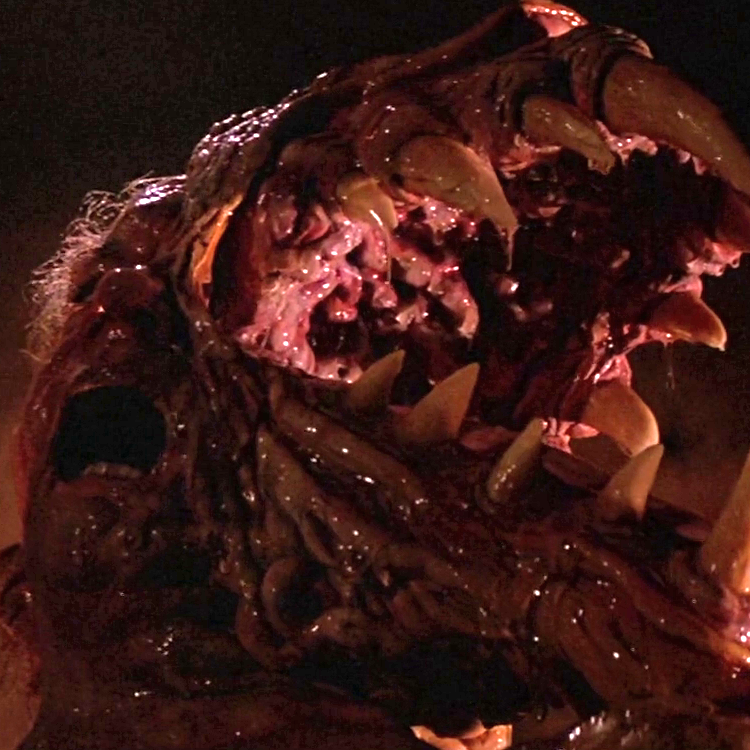
With the original The Thing, society was eaten alive with a growing paranoia that Communists could be living right next door. Who can you trust when there could be a dirty Red hiding just beyond your own front door? The Cold War was in full effect and was reflected in the spooky movies of that time.  When Carpenter released his updated take, The Thing no longer spoke about ‘neighbor danger,’ but focused on the terror growing in our own bodies. The 80’s decade was a war on drugs and unsafe sex. AIDS was a real threat and people were terrified. One moment a person could appear just fine and healthy, the next that same person would be diagnosed with a terrifying disease that would end in the grave. Society was very aware of how quickly our own bodies could turn viciously against us if we weren’t careful.


The Thing Wiki
image via The Thing Wiki


The Thing became a cautionary tale about how the body can transform with a viral enemy inside of us ready to malform our anatomy to suit its own selfish purposes. It’s no surprise that it was released during a time when people were being warned of cancer. It got to be that everything would give a person cancer. People couldn’t even feel safe breathing in the air they inhaled for fear of second-hand smoking – and you guessed it, that gave you cancer too. When you look at The Thing it’s a hideous amalgamation of swollen tumors that destroy and ruin all they touch. The movie was not well received in its day, but has now grown to cult fandom and is praised as one of the best sci-fi horror films of all time.


WiffleGif
image via WiffleGif


The remake of The Fly is about losing control of one’s own body.  All it took was one innocent night of carelessness. This body-horror classic has an underlining theme of cautionary sex, it may not be noticed at first, but once it is it’s hard to deny. Our unfortunate hero (Jeff Goldblum)  gets infected by an experiment gone deathly wrong. He took every precaution. He crouches himself into the womb-shaped sanctity of the teleporter he’s built. Everything is a go, but unforeseen to him, a single freak chance of fate happens beyond his grasp, a fly lands in the teleporter and the two become merged as one entity. The consequences are dire for him. It was a simple accident, one slip of chance and all of a sudden it doesn’t matter how cautious he was. He is infected, but he hasn’t really realized it yet. He has sex with his girlfriend because of course, he does. Once she learns of his disturbing fate his girlfriend (Geena Davis) has some vivid dreams about the consequences of sleeping with her infected lover. I’m saying the word ‘consequences’ an awful lot, but that’s what this movie is all about.  It’s pretty obvious that the social fear of venereal consequences is in play here.

I’m not one to argue that a good horror movie has to have come underlining social message in it to make it good. It could be simple coincidence,  or maybe some deep thought was put into the making of those films. However, my point was, in the case of these remakes and what made them work, they weren’t just a rehash of the original source material. They were social up to date and played on the current fears of the people. If you make a horror film then you better at least try to aim at scaring your audience for fuck’s sake.

The only way you can scare an audience is by engaging them with the characters, make what scares them scare us, and then, after earning our trust rip our hearts out. That’s horror.

theterrortime

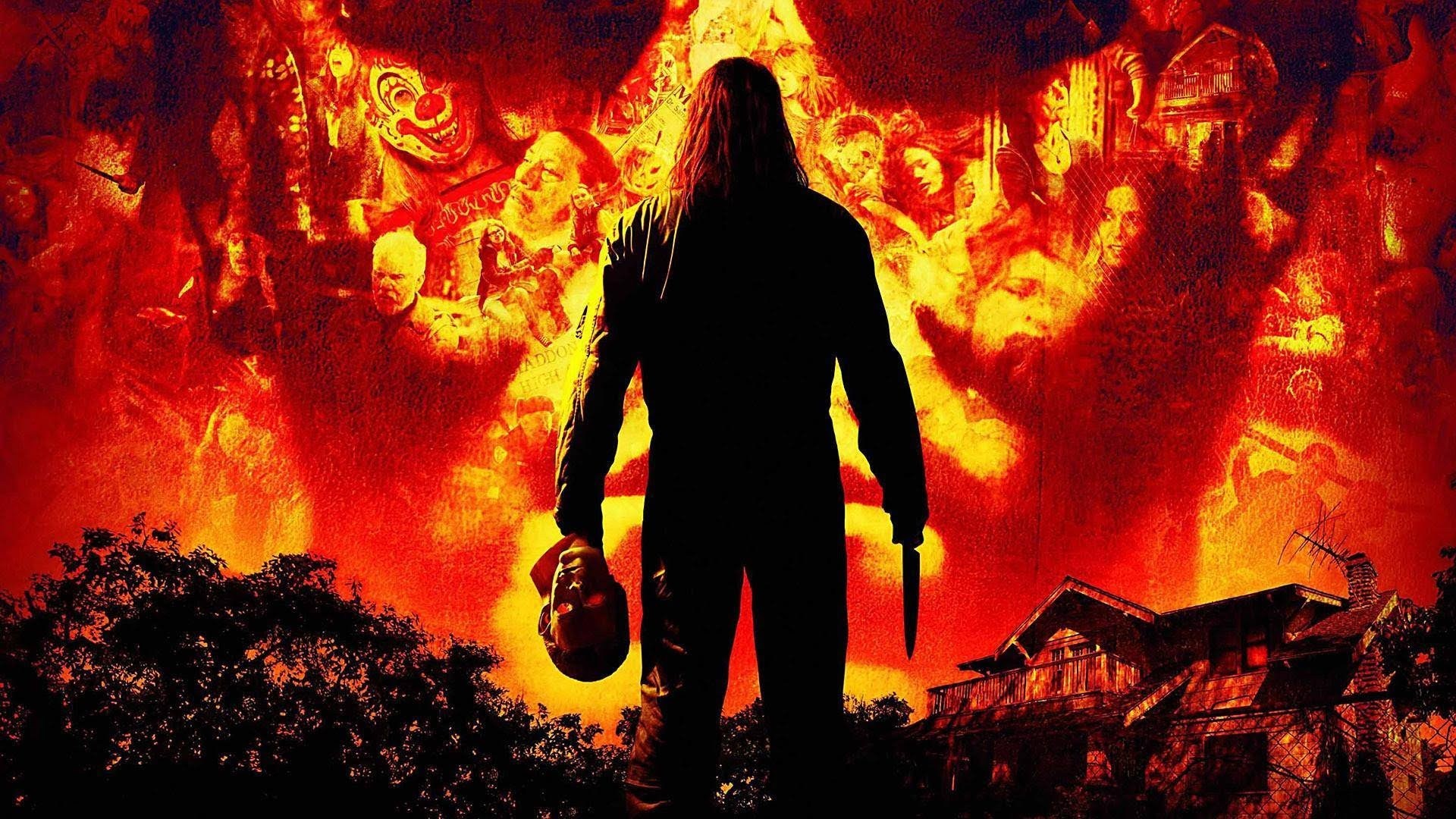
There’s no doubt people hate Rob Zombie still for remaking Halloween, one of horror’s most cherished films. To this day that movie stands like a plague in the minds of many fans. But this is what I’ve gathered from most of the people who hate it. They seem to praise the first half of the movie but curse the latter half. The first half of the film is a complete departure from Carpenter’s vision. It’s a gritty and uncomfortable look at a domestic meltdown.

Michael is from a highly dysfunctional household. The making for disaster is found early on in the movie’s opening. Michael’s upbringing is anything but nurturing. His mother’s boyfriend is a screaming, foul-mouthed abusive man who taunts Michael every chance he can. Being the only male role-figure in his life, the man is only too happy to mock Michael’s premature sexuality, calling him girly names that almost echo John Gacy’s own abusive relationship with his dad.  Even Michael’s older sister throws around oddly arousing jokes at his expense. For adults, we can laugh at sick shit like this, but this is all very damaging for the young psyche of an impressionable growing boy.

To top things off, his mother is a local stripper and her intimate way of living is constantly thrown in Michael’s face by the run-of-the-mill shitheads at school. Combine all of this and you have the gathering elements of the perfect storm. One of destruction, pain, and misery. It will not feel empathy, it will be cut off from the social norms of what’s acceptable and what’s illegal. You have the disturbed making of a true psychopath.


Jarvis City
image via Jarvis City


This is the household environment that spawns the likes of John Gacy, Albert Fish, and Edmond Kemper – all of them real-life boogeymen. Killers, slashers, serial rapists; monsters in suits of men.


fanpop.gif


This is not the Michael Myers we know, and that made him fascinating! This was a problem, a toxic danger that could be building right next door (or behind closed doors right upstairs). Were we going to get some actual psychological inside-looks into real-life murderers through the imaginative eyes of Michael Myers? Or, what I’m trying to say is, were we going to get inside of Myer’s mind? Would we see through the eyes of madness and true darkness all from behind his mask? It was really exciting. We already had a movie that followed the babysitters, so would this movie explore a very evil world that is hiding in plain sight all around us? That heinous world of the serial killer?

Oh, forget allllllllll about that, my nasties. It doesn’t take long for this to turn into a near shot-for-shot remake (oh sorry, ‘reimagining’) of Carpenter’s movie. People love to hate this movie and use it as the poster-child of poorly made remakes, but I have my own criticism of Zombie’s movie. That being: we almost had a great movie! Almost. Had Zombie just stuck with an original idea, something like following Michael’s journey into – not only madness – but also his heart of darkness; in essence, watch him become pure evil, and go on a blood-soaked murderous rampage. Make it an exploitation film, kinda like how it started out as.

It could have been great and I feel we got robbed.

And when it comes to Nightmare on Elm Street, instead of seeing the exact same movie we’ve all grown up with, why couldn’t we see the Springwood Slasher before he became the Dream Demon? Why not show us his vengeful demise at the hand of vigilante parents? Start out with him being a good neighbor, someone who would walk your dog for you. Someone you ask for an opinion, and who is glad to give it. Someone who loves his daughter and part of the PTA board. You know, like actual serial killers from the past? They always lived across the street. Why not give us that kind of movie, something we’ve not seen? Then pull the rug out from underneath us as we follow Fred Krueger down some very uncomfortable places, places where little skulls sit in the smoldering ash of a furnace deep in the depths of his boiler room.


Addicted to Horror Movies
image via Addicted to Horror Movies

Why not give us something like the rise of the Dream Demon?

Freddy could have come back and targeted the households of the parents who burned him alive and made it, oh I don’t know, something more relatable and personal to the families along Elm Street.

Eh, what I’m getting at is these remakes that are hated so much could have been good. They had potential and a chance, and that’s what I gave them – a chance.

Now whereas remakes don’t erase the original movie (thankfully), they do pose a problem for audiences nonetheless. A person can watch a really bad remake and not want to give the original a chance.

Cinepop
image via cinepop

Imagine if someone watched that awful Fog remake and then had no desire to see the original one? They would be missing out on a great experience. I kind of dealt with that. Thanks to Quarantine I had no interest in seeing [REC], like at all. In fact, I only just watched [REC] this year. That’s the problem with bad remakes – they may turn people off of some really amazing movies.

Not to mention we now have to distinguish which movie we’re talking about. My best friend was so happy when she bought me Night of the Demons for my birthday. It’s one of my all-time favorites and she knew I had been wanting it. Thing is, she bought me the remake (yes, that has a remake too) when it’s the original movie I love. Bless her heart, she was so thrilled to get me that Blu-ray though. She didn’t know there were two out there.  Someone else sent me Texas Chainsaw Massacre not knowing it was the remake. They honestly thought it was Hooper’s movie. There are too many remakes out there and it does get confusing.

Now we have a Suspiria remake to look forward to. Am I mad about that? No, and I’ll go to see it. Not only that, but we’re getting Pet Sematary, Tommyknockers, and honestly the remake train doesn’t look to be slowing down any time soon.


https://youtu.be/ylmDXfTA8rg


To be honest I’m excited. I know that may shock some of my readers, but this was not meant to be some ‘I hate all remakes’ article. I don’t hate them, I just want to see them done right. IT proved a remake can be done right, and, if done so, will be a massive hit.

So there you have it, my ghoulies. This has been your Manic Exorcism once again. I encourage you to not let bad remakes ruin good movies. Keep checking us out here at Nightmare Nostalgia for all your retro needs.  Now go forth to enjoy the horror line-up before us.